If you’re searching for the right 20W-50 oil for a high-mileage engine, this guide helps you choose durable, protective formulas. The list focuses on products that curb wear, reduce leaks, and resist sludge in aging engines. Best for long-drives, frequent highway use, or engines with higher mileage and sealing needs. The top picks below are selected for compatibility with high-mileage performance, with notes on when to choose each option. A quick buyer table follows to compare core features at a glance.
| Product | Best For | Key Benefit |
|---|---|---|
| Valvoline VR1 Racing SAE 20W-50 | High-stress performance engines | High anti-wear protection, zinc-rich formula |
| Castrol GTX High Mileage 20W-50 | Older engines with sludge risk | Sludge control, emission-system compatibility |
| Valvoline High Mileage MaxLife 20W-50 | High-mileage engines with leaks | Seal conditioners, wear protection |
| Castrol GTX Classic 20W-50 | Conventional option for older engines | Protection against viscosity and thermal breakdown |
| Castrol GTX 20W-50 | General high-mileage protection | Anti-wear additives, sludge resistance |
Valvoline VR1 Racing SAE 20W-50 Motor Oil
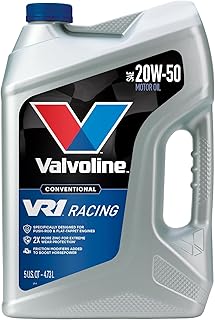
Valvoline VR1 Racing SAE 20W-50 is a conventional racing oil formulated with high levels of zinc (ZDDP) for superior film strength and anti-wear protection on pistons, cams, and bearings. It is designed to withstand extreme stresses in high-compression engines used on track or street. Best for engines that require robust protection against metal-to-metal wear and high heat. Choose this if you operate an older or performance-focused engine that benefits from zinc-rich protection. Caution: Racing-grade oils can be thicker and may alter cold-start behavior in very cold climates; ensure compatibility with your vehicle’s specifications.
Castrol GTX High Mileage 20W-50 Synthetic Blend

Castrol GTX High Mileage 20W-50 Synthetic Blend is designed for older engines with multiple miles, focusing on extending emission-system life and reducing sludge build-up. It offers superior dispersancy and burn-off protection, and includes seal conditioners to help minimize leaks. Best for high-mileage engines needing sludge control and smoother oil consumption. Better for engines that still see mixed-use driving. Limitation: some drivers may prefer fully synthetic formulations for maximum protection in severe climates.
Valvoline High Mileage with MaxLife Technology 20W-50

Valvoline High Mileage with MaxLife Technology adds wear protection and seal conditioners to reduce oil consumption and leaks in aging engines. It includes added detergents to minimize sludge, rust, and deposits, helping engines run cleanly. Best for drivers seeking strong seal protection and easier starts in high-mileage cars. Caution: some older seals may still leak if there is extensive wear; monitor oil level closely after switching formulations.
Castrol GTX 20W-50 Conventional

Castrol GTX 20W-50 Conventional Motor Oil provides protection against viscosity and thermal breakdown, along with improved sludge control due to premium base oils and anti-wear additives. It’s a solid all-around option for high-mileage engines needing dependable protection without specialty blends. Best for budget-conscious buyers who still want reliable performance. Limitation: may not offer the same level of seal conditioners as MaxLife formulations.
Buying Guide
What should I look for in a 20W-50 oil for high mileage?
Key factors include anti-wear protection, seal conditioning, sludge control, and compatibility with older engines. Zinc (ZDDP) levels, detergents, and viscosity stability under heat are important. Consider whether your engine benefits from an enhanced anti-foaming formulation or a blend designed to reduce leaks and consumption.
Conventional vs synthetic blends for aging engines
Conventional and synthetic blends typically offer reliable protection at a lower cost and work well for engines with modest power needs. Synthetic blends often provide better high-temperature stability and sludge resistance, which is helpful in high-mileage engines that see long drives. The choice depends on your driving patterns, climate, and factory specifications.
Which product is best for high-mileage with leaks?
Products with seal conditioners and MaxLife technology are specifically designed to reduce leaks and oil consumption in aging engines. These are good starting points if leaks are a concern.
Compatibility considerations
Always match oil viscosity and spec to your vehicle’s owner’s manual. Some engines tuned for performance may require different oil formulations; if in doubt, consult a mechanic. For very cold climates, consider how the oil behaves at startup temperatures.
Maintenance and monitoring tips
Regularly check oil level and color, especially after switching to a higher-mileage formula. Look for signs of leaks, unusual consumption, or reduction in idle smoothness. A staged oil-change plan can help assess performance before committing to a full switch.
FAQ
- Is 20W-50 oil suitable for high-mileage engines? Yes, 20W-50 provides strong protection in hotter conditions and high-stress engines, but verify compatibility with your engine’s manual.
- What is ZDDP and why is it important? ZDDP is a zinc-based anti-wear additive that helps protect metal surfaces under heavy load and high heat, especially in older engines with flat-tappet cams.
- Should I choose a synthetic blend over conventional? Synthetic blends offer better high-temperature performance and sludge resistance, which can benefit aging engines with higher mileage.
- Can oil additives replace a recommended oil? Additives can supplement protection, but they do not replace the need for an oil that matches your engine’s specification.
- How often should high-mileage engines be serviced? Follow the maintenance schedule in your owner’s manual, with more frequent checks for engines with leaks or unusual consumption.
- Is it okay to mix different oil types? Mixing is not recommended as it can alter viscosity and protective properties; if changing brands, perform a proper oil drain and fill.