Answer: Choose fuel additives that clean the fuel system, remove water, prevent ethanol-related issues, and stabilize fuel for storage. This guide highlights five top options for everyday drivers, seasonal vehicles, and small engines. Each product list includes who it’s best for and why it was chosen, plus practical cautions to consider. Use the table below to compare at a glance and decide which additive fits your needs.
| Product | Best For |
|---|---|
| Heet Iso-HEET Water Remover And Premium Fuel Line Antifreeze + Injector Cleaner | Best for removing water, preventing rust, for year-round gasoline systems |
| Sea Foam Motor Treatment (16 oz, Pack of 3) | Best for overall fuel-system cleaning and long-term storage prep |
| Star Tron Enzyme Fuel Treatment – Small Engine Formula | Best for small engines and ethanol-related issues |
| STP 1 Tank Tune Up Fuel Additive | Best for reducing hydrocarbons and protecting the catalytic converter |
| CRC 1-Tank Power Renew Gasoline Fuel System Cleaner | Best for restoring power and improving injector flow |
Heet Iso-HEET Water Remover And Premium Fuel Line Antifreeze
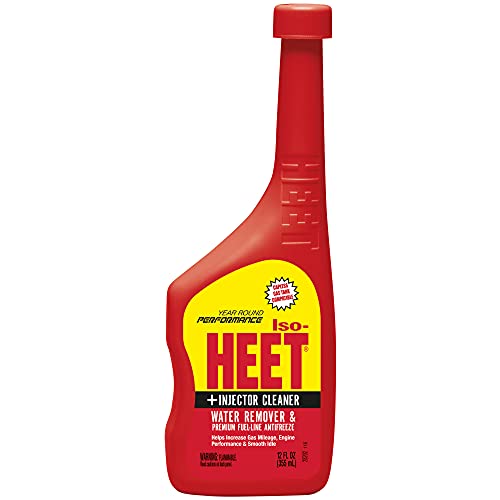
Features: Easy-pour 12 oz. bottle; prevents rust and corrosion; removes water from fuel system. Best for drivers who want a quick water-removal solution and anti-corrosion protection during fluctuating temperatures. This product is straightforward to use and widely compatible with gasoline systems. Caution: Do not exceed recommended dose; excessive use can alter fuel characteristics or engine performance in some older vehicles.
Sea Foam Motor Treatment (16 oz, Pack of 3)

Features: Deep fuel system cleaning; helps restore lost power and smooth idle; cleans fuel injectors, carburetor restrictions, and chamber areas. Suitable for gasoline and diesel engines; can be used every 3,000 miles. Best for restoring performance and reducing hesitation. Limitations: For engines with severe buildup, results may require repeated applications or professional inspection. Better for a proactive maintenance routine than for diagnosing advanced issues.
Star Tron Enzyme Fuel Treatment – Small Engine Formula

Features: Enzyme-based formula to help engines start easily and run smoothly after inactivity; addresses ethanol-related problems; aims to maintain clean fuel delivery and improve efficiency. Best for small engines and seasonal equipment that sit for periods or experience ethanol issues. Caution: follow dosage guidance; improper use may be unsuitable for some older or specialized engines.
STP 1 Tank Tune Up Fuel Additive

Features: Reduces hydrocarbon emissions up to 50%; protects catalytic converter; cleans dirty oxygen sensors to prevent failure. Best for drivers seeking emissions-related improvements and cleaner exhaust. Limitation: Primarily designed for gasoline engines; effects may vary with extreme fuel contamination or highly varnished systems.
CRC 1-Tank Power Renew Gasoline Fuel System Cleaner

Features: Cleans the entire fuel system, including injectors and intake; claims power restoration and improved injector flow; potential MPG improvement. Best for reviving efficiency in vehicles with noticeable sluggishness or dirty injectors. Caution: High-mileage engines or those with major mechanical wear may see limited gains; use as directed and avoid mixed brands unless compatible with your vehicle’s fuel system.
Buying Guide: Key Considerations For Choosing The Right Fuel Additive
What should you evaluate when selecting a gas-tank additive?
- Purpose: Do you need water removal, injector cleaning, ethanol-related issue mitigation, or fuel stabilization?
- Engine type: Gasoline vs. diesel, small engines, or seasonal equipment have different needs and formulas.
- Frequency: Are you maintaining a daily-driver, or protecting stored equipment that sits unused for periods?
- Compatibility: Check your vehicle’s manual for approved fuel treatments and any manufacturer cautions.
- Ease of use: Look for ready-to-pour bottles, single-dose packets, or multi-pack options based on usage cadence.
- Expected outcomes: Some products focus on power restoration, others on smoother idling or better fuel economy.
FAQ
- Do fuel additives improve gas mileage? Some formulations claim better fuel economy by cleaning the fuel system and improving combustion efficiency, though results vary by vehicle and condition.
- Can I use these additives with all cars? Most are designed for gasoline engines and common fuel systems. Always consult your owner’s manual and follow dosing instructions.
- How often should I add fuel cleaner? For routine maintenance, follow manufacturer guidance. Some products are suggested every 3,000 miles or with seasonal storage in mind.
- Will fuel stabilizers prevent ethanol-related issues? Stabilizers can help preserve fuel and address ethanol-related problems when used as directed.
- Are there any risks using multiple fuel additives? Mixing products without compatibility can cause undesirable reactions; use one product at a time unless the labels specify compatibility.
- What is the best option for small engines? Enzyme-based formulations and sea-foam style treatments can be effective for small engines and stored equipment.