If you’re seeking more horsepower, quicker acceleration, and cooler air for your truck’s engine, a cold air intake is a practical upgrade. The following picks are suitable for common V8 trucks and SUVs, including Silverado, Sierra, and RAM models. They balance performance gains with durability and ease of installation. This guide highlights who each option is best for and why, plus quick notes on potential limits to consider.
| Product | Brand | Best For |
|---|---|---|
| MOOSUN 4 inch Cold Air Intake Black Tube + Heat Shield (1999-2006 Silverado/Sierra) | MOOSUN | DIY enthusiasts seeking a durable, corrosion-resistant kit with a heat shield for classic Silverado/Sierra models |
| Rough Country Cold Air Intake (2014-2018 Silverado & GMC Sierra 5.3L/6.2L) | Rough Country | Budget-conscious buyers wanting noticeable power and throttle response |
| K&N NextGen Cold Air Intake System (RAM 1500 2019-2026) | K&N | Truck owners prioritizing proven dyno-trend gains and an oversized air filter |
| EVIL ENERGY Cold Air Intake (2014-2018 Silverado/Sierra 5.3L/6.2L) | EVIL ENERGY | People who want an install-without-cutting option and improved throttle response |
| GESEXI 4″ Cold Air Intake System + Heat Shield (1999-2006 Silverado/Sierra) | GESEXI | Buyers seeking a balanced kit with a steel heat shield and carbon-black finish |
MOOSUN 4 Inch Black Cold Air Intake With Heat Shield
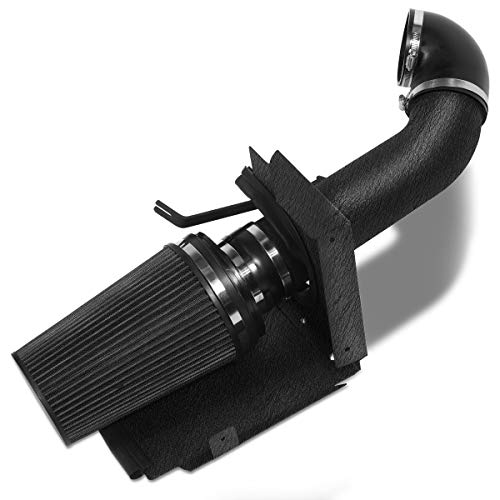
The kit uses a durable carbon-black powder-coated air intake tube and a shield to isolate air from engine heat. The unique flared intake tube is designed to draw in cooler air for better combustion. Best for Silverado 1500/2500/3500 with 4.8L/5.3L/6.0L engines from 1999–2006 and GMC Sierra equivalents. Consider this if you want a classic-model upgrade with corrosion resistance. A potential limitation is that some fitments require vehicle-specific matching; verify on the left-top compatibility area.
Rough Country Cold Air Intake For Silverado & GMC Sierra

Designed to increase horsepower and throttle response, this kit delivers cooler, oxygen-rich air and improved flow with a large-diameter tube. A molded heat shield helps reduce engine heat impact. It’s best for 2014–2018 Silverado and GMC Sierra models with 5.3L or 6.2L engines. Choose this if you want a straightforward upgrade that emphasizes performance without extensive modifications. Note that some vehicles may require minor maintenance after long-term use, depending on driving conditions.
K&N NextGen Cold Air Intake System (RAM 1500)

Dyno-proven performance is highlighted here. The NextGen airbox enlarges the factory inlet to improve airflow and lower inlet temperatures, boosting horsepower and torque with a protective air box for contaminants. It pairs with RAM 1500 models from 2019–2026. Choose this if you want a proven upgrade with an oversized air filter for longer service life. A limitation is that gains can vary with engine tune, and some vehicles may require software adjustments for optimum results.
EVIL ENERGY Cold Air Intake For Silverado/Sierra

Installation is designed to be quick, with no cutting or drilling required thanks to included instructions. Best for 2014–2018 Silverado/Sierra with 5.3L or 6.2L engines. It aims to improve horsepower and throttle response, delivering clearer acceleration and better hill-climbing performance. The kit uses a high-efficiency, multi-layer cotton air filter that is washable and reusable. A potential caveat is filter maintenance to preserve performance over time in dusty environments.
GESEXI 4″ Cold Air Intake System With Heat Shield

This kit features a heat shield with a durable carbon-black powder coating and a steel construction designed to help the engine draw in colder air for better throttle response and horsepower. It’s compatible with 1999–2006 GMC/Chevy V8 4.8L/5.3L/6.0L engines in Silverado/Sierra lines. Best for buyers who want a sturdy shielded setup and clear guidance on fitment. A limitation is that customer support emphasizes verifying the exact vehicle before purchase to ensure correct fitment.
Buying Guide: Key Purchase Considerations
What horsepower gains are realistic?
Cold air intakes can improve throttle response and peak horsepower, but gains vary with engine, tuning, and conditions. Expect modest improvements on stock vehicles, with larger benefits where the engine can benefit from cooler intake air and less restriction.
How important is the heat shield?
A heat shield reduces intake air temperature by blocking under-hood heat. For trucks in hot climates or with high under-hood temperatures, a heat shield often yields noticeably cooler, denser air and better performance.
What about filter material and maintenance?
Most modern kits use cotton or synthetic filters that are washable and reusable. A larger filter surface area can improve airflow and reduce pressure drops. Plan for periodic cleaning every few months of driving in dusty areas or more frequently in extreme conditions.
Compatibility and installation considerations
Always verify fitment with your exact model, year, and engine. Some kits require basic tools or simple modifications; others are straightforward bolt-ons. If you’re not confident in DIY installation, consider professional installation to ensure proper sealing and optimal performance.
Durability and materials
Look for powder-coated tubes, corrosion-resistant shields, and high-quality fasteners. A robust build helps resist under-hood heat and road debris, ensuring long-term performance.
Performance vs. price
Premium brands may offer better filtration and airflow management, but mid-range options can deliver similar performance for most daily-use trucks. Weigh installation ease, durability, and required maintenance when considering price.
Frequently Asked Questions
- Do cold air intakes always increase horsepower? Gains vary; many kits improve throttle response and efficiency, with the extent dependent on engine and tune.
- Will a cold air intake void my warranty? It typically does not, but improper installation or modifications can affect warranty terms. Always check with the manufacturer and dealer guidelines.
- Is it necessary to tune the engine after installation? Some vehicles benefit from a tune to maximize gains, while others work well with stock tunes. Refer to the product notes and vehicle specifics.
- How often should I service the air filter? Washable filters may require cleaning every 50,000–100,000 miles under normal conditions, more often in dusty environments.
- Do heat shields reduce heat soak? Yes, heat shields help keep intake air cooler, which can improve combustion efficiency and power, especially in hot climates.
- Are universal hoses compatible with all trucks? Universal hoses offer flexibility but may require trimming or adapters for a perfect fit. Always confirm compatibility with your model.