Answering the questions buyers ask when selecting an anti-siphon device for fuel tanks. This guide highlights five practical options, who they’re best for, and the trade-offs to consider. It helps boaters, fleet operators, and DIY enthusiasts choose reliable fixtures that prevent fuel theft and unintended spills while maintaining smooth engine delivery.
Summary of top picks (quick reference):
- Doufuhua Universal Anti-Siphon Valve Replacement (2 Pack) — Best for standardized boat fittings and easy upgrades.
- Velvac 600241 Fuel Filler Neck Anti-Siphon Device — Best for heavy-duty truck fuel fills and US-made quality.
- Attwood 88FAS014-6 Fuel Tank Fitting — Best for OEM-style replacement and secure connections.
- Adabuing Marine Anti Siphon Valve Replacement (2 Pack) — Best for USCG-regulation-ready, versatile installation.
- BZTT Marine Anti Siphon Valve (2-Pack) — Best for broad compatibility with various tank fittings.
Marine Anti Siphon Valve Replacement (2 Pack) – 1/4″ NPT, 3/8″ Hose

The Doufuhua anti siphon valve is designed to prevent fuel withdrawal from a tank by siphoning. It uses a 1/4 inch NPT connection and 3/8 inch hose to fit common boat fittings. Its one-way design aims to meet USCG standards for basic anti-siphon protection. Best for boaters looking to upgrade a standard pickup tube with a compact, easy install.
- Best for: Small sailboats or center-console boats with standard 1/4″ NPT fittings.
- Why selected: Simple installation and compatibility with common pickup tube sizes.
- Caution: Confirm matching NPT thread size on your tank and fittings to avoid leaks.
Velvac 600241 Fuel Filler Neck Anti-Siphon Device

Velvac’s anti-siphon tube is aimed at heavier use cases, notably heavy-duty trucks with 3 inch filler necks. It is presented as a US-made choice for ensuring one-way flow. Best for fleets or vehicles requiring rugged, straight-through anti-siphon performance at a larger scale.
- Best for: Heavy-duty trucks and commercial fleets needing sturdy, American-made components.
- Why selected: Emphasizes durability and compatibility with larger filler necks.
- Caution: May require adapters or professional installation for non-standard tanks.
Attwood 88FAS014-6 Fuel Tank Fitting — Anti-Siphon Valve
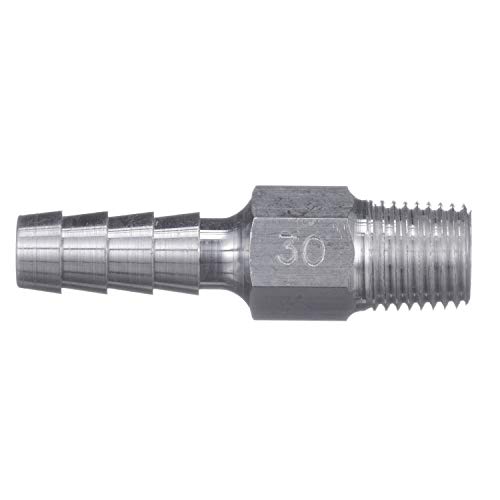
Attwood presents a dependable replacement option with a male ¼-inch NPT thread and 3/8 inch barb fitting. The design supports secure fuel line connections and is positioned as a straightforward OE-style upgrade suitable for many boats. Best for: owners replacing damaged fittings and seeking a reliable aftermarket option.
- Best for: Replacing a worn or damaged OEM anti-siphon valve in a boat’s fuel system.
- Why selected: Clear compatibility with standard male NPT threads and barb hoses.
- Caution: Verify the valve orientation and installation path to prevent unintended backflow.
H-veenjor Gasoline Siphon Hose Pump (Hand Transfer)

While primarily a siphon pump, this tool supports manual transfers and includes built-in one-way behavior to prevent backflow. Best for emergency transfers or field work where quick fuel movement is needed and siphon prevention is desired. Not a dedicated fixed anti-siphon valve for a tank outlet, but useful in the toolkit for fuel management.
- Best for: Field operators or boat owners who need a portable, manual transfer option.
- Why selected: Combines a siphon mechanism with specified one-way flow features.
- Caution: Not a replacement for a fixed anti-siphon valve; use in conjunction with proper fittings.
Sourcefy Anti-Siphon Device for Various Trucks and Boats

Sourcefy markets a broad-range anti-siphon device designed for multiple vehicle types, including heavy trucks and boats. It emphasizes high-quality components and a warranty, aiming at reliability across different fuel systems. Best for: buyers wanting a versatile option that can fit several tank configurations.
- Best for: Multi-vehicle households or fleets seeking a single valve family for different tanks.
- Why selected: Claims broad compatibility and a robust warranty.
- Caution: Check exact fitment against your tank’s fittings before purchase.
Universal Anti Siphon Valve Replacement (2 Pack) – 1/4″ NPT, 3/8″ Hose

This Doufuhua two-pack offers universal anti-siphon valves with a 2.2 inch overall length. The design focuses on a tight fit with standard 1/4 inch NPT and 3/8 inch connections. Best for: boaters seeking a compact, repeatable valve replacement for multiple tanks or as spares.
- Best for: DIY upgrades and future replacements for standard fuel tank fittings.
- Why selected: Two valves per package provide cost-effective redundancy.
- Caution: Ensure the two valves are installed in the correct orientation along the fuel line.
Adabuing Marine Anti Siphon Valve Replacement (2 Pack)

Adabuing presents a two-pack anti siphon valve with a focus on USCG regulation alignment and robust one-way operation. It attaches near the fuel tank top, guiding flow toward the engine while blocking siphon attempts if a hose breaks. Best for: boat owners needing compliant, secure fuel delivery with easy replacement options.
- Best for: Users prioritizing regulatory alignment and straightforward installation.
- Why selected: Emphasizes one-way operation and compatibility with existing tank outlets.
- Caution: Verify compatibility with your fuel tank’s outlet size before ordering.
BZTT Marine Anti Siphon Valve – 2 Pack

BZTT offers a universal anti siphon valve with a 2.33 inch overall length and 1/4″ NPT to 3/8″ hose fittings. It targets kompatibility across boats and other gas tank scenarios, including travel trailers and motorcycles. Best for: buyers who want a longer device with broad compatibility across multiple tank types.
- Best for: Versatile fitment across different vessels and vehicles.
- Why selected: Explicit emphasis on compatibility with diverse fuel tank pickup tubes.
- Caution: Double-check the bayonet vs. NPT ports to ensure a proper seal in your setup.
Buying Guide: Key Considerations for Anti-Siphon Fuel Tank Devices
- Fitment and connections: Confirm NPT size (1/4″) and hose barb size (3/8″) align with your tank fittings. Look for compatibility with pickup tubes and tank outlets.
- One-way operation: Ensure the valve prevents backflow when a hose breaks, while allowing engine-directed fuel flow under normal conditions.
- Material and corrosion resistance: Aluminum and other marine-grade materials offer durability in saltwater environments. Consider environmental exposure and maintenance needs.
- Regulatory alignment: Some models advertise USCG or industry-standard compliance. Validate that the device meets the regulations relevant to your vessel or fleet.
- Installation practicality: Some units mount at the tank top or along the pickup path. Prefer designs with clear orientation and straightforward mounting hardware.
- Flexibility and redundancy: If you operate multiple tanks or vehicles, consider a 2-pack option or a universal model that can fit different configurations.
- Limitations and caveats: Some products function best as replacements for damaged parts rather than primary anti-siphon systems. Use as part of a broader fuel-management strategy.
Frequently Asked Questions
- What is an anti-siphon valve for fuel tanks?
- Where should I install an anti-siphon valve?
- What materials should I look for?
- Do anti-siphon valves meet regulatory requirements?
- Can I use a 2-pack valve for multiple tanks?
- Is installation difficult for non-professionals?
An anti-siphon valve is a one-way device installed in the fuel line that prevents fuel from being drawn out by siphoning, while allowing fuel to flow toward the engine under normal operation.
Typically at or near the fuel tank outlet or along the pickup tube, so it can block siphoning without restricting engine delivery.
Marine-grade aluminum or corrosion-resistant plastics are common for durability in harsh environments.
Some models advertise regulatory compliance (for example, USCG readiness). Check the product specifications and local rules before purchasing.
Yes, two-pack options are convenient for fleets or equipment that uses several tanks, ensuring uniform protection across systems.
Many models are designed for straightforward DIY installation, but verify the exact thread type and hose connections to avoid leaks.