The best auxiliary fuel tanks for trucks help extend range, improve on-site refueling, and keep toolboxes or gear organized. This guide highlights five practical options, suitable for fleet vehicles, work trucks, and long-haul setups. Each product is evaluated for capacity, build quality, and real-world usefulness, with clear guidance on who should choose which tank.
| Product | Capacity | Best For |
|---|---|---|
| RDS Aluminum 74551 20 Gal Rectangular | 20 Gallons | Compact, light-duty applications |
| Better Built 36-Gallon Rectangular | 36 Gallons | Medium-duty hauling with spill protection |
| RDS MFG INC Rectangular 69 Gallon | 69 Gallons | Higher range needs, general-use commercial |
| RDS MFG INC 60 Gallon | 60 Gallons | Balanced capacity for long trips |
| Vigorighter 51 Gallon Aluminum Combo | 51 Gallons | All-in-one with toolbox and pump |
Rds Aluminum 74551 20 Gal Rectangular Auxiliary Fuel Tank

Best for compact, light-duty trucks needing extra range without bulk. This 20-gallon aluminum tank is 100% pressure tested and submerged to confirm leak resistance, with fully welded seams and heavy-duty mounting brackets for secure installation. Suitable for fleets seeking a slimmer auxiliary option that preserves bed space.
Who it’s best for: small-to-mid size trucks, urban fleets, or owners who prioritize lightweight aluminum and robust mounting hardware. Why selected: reliable construction and simple fit for tight bed spaces.
Caution: limited capacity means more frequent refueling on long trips; ensure correct mounting clearance before installation.
Better Built Steel Transfer Tank – 36-Gallon
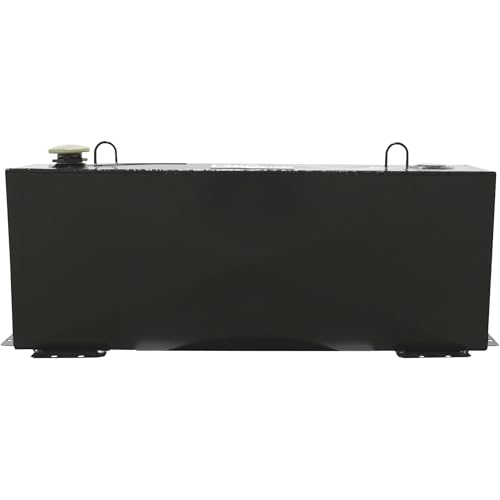
Best for trucks needing a larger capacity without going to a large footprint. This 36-gallon rectangular tank emphasizes spill prevention with an automatic shutoff at the pump and built-in baffles to minimize movement during transport. Strong steel construction suits heavier-duty work vehicles.
Who it’s best for: mid- to heavy-duty trucks performing regional hauling or fleet service. Why selected: solid capacity plus spill-control features increase on-site safety.
Caution: steel construction adds weight; verify bed clearance and mounting hardware compatibility with your truck model.
RDS MFG INC Rectangular 69 Gallon

Best for maximizing range on long-haul routes without adding excessive length to the truck. The 69-gallon capacity addresses extended trips with gasoline-compatible fueling and a straightforward top-fill approach. This option fits a wide range of truck bed sizes with an elongated footprint.
Who it’s best for: operators needing high capacity in a standard rectangular profile. Why selected: large capacity offers fewer refuel stops on lengthy runs.
Caution: larger size may require additional mounting space and careful alignment with vehicle bed contours.
RDS MFG INC 60-Gallon Transfer Tank

Best for balanced needs where capacity and bed fit both matter. The 60-gallon model is designed to fit some shorter beds, allowing efficient use of space while delivering substantial fuel capacity. Gasoline fueling is allowed with a top-fill setup using an electric pump.
Who it’s best for: fleets with mixed-truck configurations or owners who need a versatile, mid-range tank. Why selected: good compromise between capacity and bed compatibility.
Caution: measure bed dimensions carefully to ensure a proper fit in your truck model.
Vigorighter 51 Gallon Aluminum Combo Tank
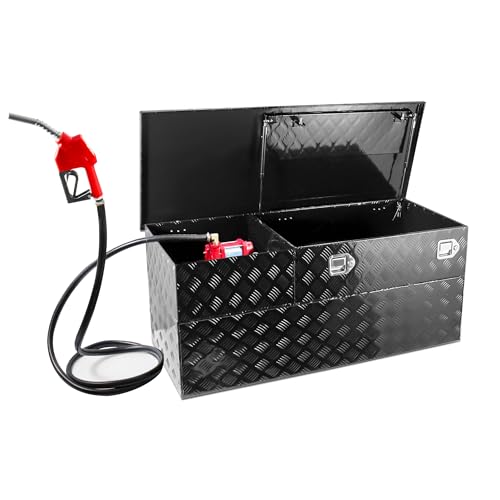
Best all-in-one solution for space-saving needs on trucks that carry fuel and tools. This 51-gallon aluminum tank combines a built-in toolbox with a 12 GPM 12V DC pump, 13-foot hose, and auto-nozzle. The rugged, corrosion-resistant build is designed for demanding work sites.
Who it’s best for: operators who want a combined fuel and tool storage unit with quick field refueling. Why selected: integrated toolbox and pump offer true plug-and-play convenience.
Caution: overall unit dimensions are larger; verify truck bed clearance and toolbox access for daily use.
Buying Guide
What capacity do you actually need? Choose based on typical travel distance, fuel consumption, and refueling logistics. Higher capacities reduce stops but require more bed space and heavier weight.
What mounting and bed space are available? Confirm fit with your truck’s bed length, wheelbase, and mounting hardware. Some models suit short beds, others need extra room for brackets or toolbox units.
What material matters? Aluminum tanks are lighter and resistant to corrosion; steel tanks are generally tougher and may offer lower cost per gallon. Consider operating environment and payload restrictions.
Is a built-in pump or toolbox beneficial? The Vigorighter-style all-in-one units save space and simplify refueling, while standalone tanks let you customize with your own pump and hoses.
Fuel compatibility and safety features: ensure the tank supports gasoline or diesel as needed. Check fill vents, overfill protection, and baffles to minimize fuel slosh during transport.
Installation and maintenance: look for heavy-duty mounting brackets and clear installation guidelines. Regular checks for leaks and mounting integrity help prevent failures on the road.
FAQ
- Are auxiliary fuel tanks legal for all trucks? Regulations vary by location and vehicle type. Check local laws and ensure proper installation and ventilation.
- What is the typical lifespan of these tanks? Materials like aluminum and coated steel are designed for durability but depend on usage, exposure, and maintenance.
- Can I install multiple tanks on a single truck? Yes, but ensure weight distribution, mounting capacity, and fuel system compatibility are addressed.
- Do these tanks require special pumps? Many options include a pump kit or recommend compatible pumps; confirm with the manufacturer’s guidelines.
- How do I measure fit for my truck? Measure bed length, clearance around wheel wells, and hitch area; compare with product dimensions and mounting brackets.
- What maintenance is needed? Regularly inspect for leaks, rust, or mounting looseness; clean fill areas and replace worn hoses or seals as needed.