Find the right auxiliary fuel tank to extend your pickup’s range and support longer, work-focused trips. This guide highlights five proven options suited for different needs—heavy-duty hauling, toolbox integration, or lightweight, portable setups. Best for: work crews needing durability, DIY enthusiasts seeking value, or long-distance travelers requiring extra range.
| Product | Capacity | Best For |
|---|---|---|
| RDS MFG INC Rectangular Auxiliary Fuel Tank – 69 Gallon | 69 Gal | High-capacity, permanent install |
| RDS MFG INC – 72548 Fuel Transfer Tank/Toolbox Combo – 60 Gallon | 60 Gal | Combo with toolbox for organized storage |
| RDS MFG INC Fuel Tank – 60-Gallon | 60 Gal | Standard auxiliary fueling with top-siphon capability |
| RDS MFG INC 71083 Rectangular Auxiliary/Transfer Fuel Tank – 45 Gallon | 45 Gal | Compact, space-conscious installs |
| Dee Zee DZ92556NSB Transfer Tank | — | Heavy-duty steel transfer option |
RDS MFG INC Rectangular Auxiliary Fuel Tank — 69 Gallon

This high-capacity tank is designed to maximize driving range. It offers a robust construction with a top-siphon capable design when used with an electric fuel pump. Best for: long-range work crews or off-road enthusiasts who need substantial fuel storage. Limitation: no detailed material specs listed beyond general construction; verify compatibility with your truck model before ordering.
RDS MFG INC – 72548 Fuel Transfer Tank/Toolbox Combo — 60 Gallon

This unit combines a 60-gallon transfer tank with a toolbox, offering storage alongside fuel capacity. Best for: tradespeople who value organized tools and a dedicated fuel reserve. Caution: packaging and dimensions indicate a tall profile; check bed clearance and mounting space before purchase.
RDS MFG INC Fuel Tank — 60-Gallon

Standard 60-gallon auxiliary tank suitable for various pickup setups. Best for: drivers who want straightforward fuel expansion with existing mounting options. Limitation: data notes “fits some short beds—measure before ordering,” so confirm bed length and clearance first.
RDS MFG INC 71083 Rectangular Auxiliary/Transfer Tank — 45 Gallon

With a 45-gallon capacity, this tank emphasizes durability through fully welded seams. Best for: users needing a compact solution where space is at a premium. Caution: smaller capacity than other options, which may require more frequent fueling on long trips.
Dee Zee DZ92556NSB Transfer Tank

Heavy-duty 14-gauge steel construction with a radius curve to reduce weld stress, plus 5 stability baffles and a drain plug. Best for: owners seeking rugged, corrosion-resistant steel transfer capability. Limitation: heavier material may require additional mounting support and weight considerations.
RDS Fuel Transfer/Auxiliary Tank/Toolbox Combo — 60 Gal

This 60-gallon kit features fully welded seams, heavy-duty aluminum mounting brackets, and a spin collar for easy pump installation. Best for: users who want a ready-to-install option with robust hardware. Caution: aluminum mounting brackets may require torque and fit checks for certain trucks.
Rds Aluminum 74551 20 Gal Rectangular Auxiliary Fuel Tank 44

This option provides a 20-gallon aluminum tank with full-pressure testing and heavy-duty mounting brackets. Best for: lighter-duty builds or where aluminum weight savings are beneficial. Limitation: smaller capacity than typical auxiliary tanks; plan fueling frequency accordingly.
Better Built Steel Transfer Fuel Tank — 36 Gallon
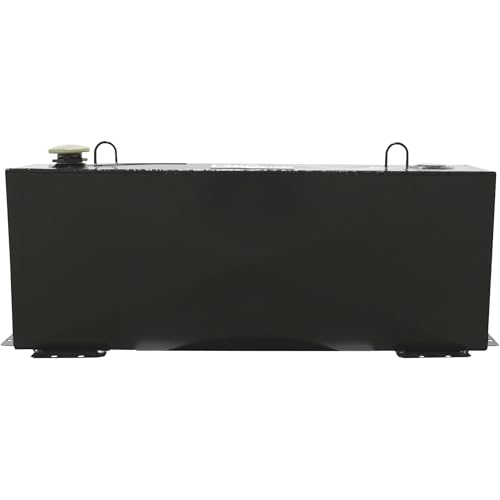
Large 36-gallon capacity with overfill protection and built-in baffles for reduced shifting. Best for: budget-conscious buyers seeking a sturdy steel option. Caution: 36 gallons may be insufficient for long trips without extra fueling stops.
Buying Guide: Key Considerations For Auxiliary Fuel Tanks
- Capacity needs: Evaluate typical trip distances and fuel availability. Larger tanks reduce refueling frequency but add weight and installation space considerations.
- Material and durability: Steel tanks offer ruggedness, while aluminum tanks save weight. Consider environment, corrosion resistance, and mounting hardware.
- Bed compatibility and mounting: Check bed length, wheelbase, and existing rack or toolbox compatibility. Some tanks require custom brackets or additional support.
- Installation features: Look for welded seams, sealing quality, and ease of pump integration. Spin collars or top-siphon capability can affect installation.
- Integrated tools and accessories: Toolbox combinations provide organized storage but may limit tank size. Assess if you need extra tool space.
- Maintenance and drain options: A drainage plug and straightforward cleaning help long-term usability. Consider baffles to reduce fuel shifting during transport.
Frequently Asked Questions
- What is an auxiliary fuel tank used for?
Answer: It provides additional fuel capacity for pickups, enabling longer trips without frequent refueling. - How do you install an auxiliary fuel tank?
Answer: Installation typically involves mounting brackets, hoses or fittings, venting, and pump integration; follow manufacturer guidelines and local regulations. - What should I consider when choosing capacity?
Answer: Balance your anticipated travel distance, available mounting space, vehicle payload, and fueling accessibility. - Are there safety concerns with auxiliary tanks?
Answer: Ensure proper venting, secure mounting, and leak-free fittings to prevent spills and fuel exposure during operation. - Can I use any pump with an auxiliary tank?
Answer: Most setups require a compatible electric pump or gravity-fed scheme; verify compatibility with the tank design and your vehicle. - Do auxiliary tanks affect vehicle warranties?
Answer: Some manufacturers may require professional installation to avoid warranty issues; check your vehicle and tank supplier terms.