Answering the need for a reliable engine coolant sealant, these top picks target common leaks in blocks, heads, and radiators. They are best for steady, temporary fixes or permanent seals in compatible cooling systems. Choose this guide if you want a clear, comparison-friendly overview for DIY repairs or light- to mid-range engine work. The following table highlights five strong options, with notes on ideal use cases and limitations.
| Product | Best For | Key Benefit |
|---|---|---|
| Moroso 35500 Ceramic Engine Seal | Aluminum or cast-iron blocks needing quick stop-gap | Thoroughly cleaned cooling system required; antifreeze not compatible |
| Bar’s Leaks Block Seal Head Gasket Fix | Head gasket and gasket-related leaks | One-step formula with antifreeze-compatible sealing liquid |
| K&W 401016 Block Seal Permanent Metallic | Cracks and holes in blocks, heads, freeze plugs | Permanent molecular seal for steel-like strength |
| BlueDevil Radiator & Block Sealer | Radiator and engine block leaks | No solids or fibrous materials; works on plastic, aluminum, metal |
| K-Seal ST3501 Pour & Go | Blown head gaskets or cracked/porous blocks | Ceramic micro-fibers provide fast, wide sealing power |
Moroso 35500 Ceramic Engine Seal
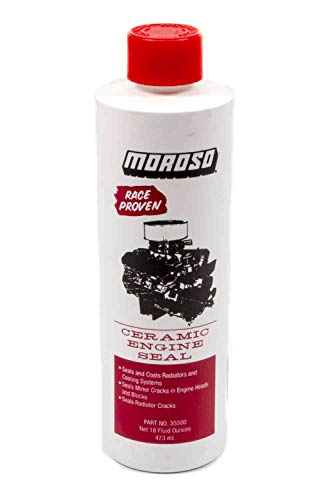
Features include vehicle-specific fit and a formula designed to stop leaks in the cooling system. The product emphasizes clean cooling systems before use and adds a caution: it does not work with antifreeze. Best for DIYers with aluminum or cast-iron blocks who want a relatively simple, direct-seal approach. Caution: if leaks persist after use, a professional repair may be required.
Bar’s Leaks Block Seal Head Gasket Fix
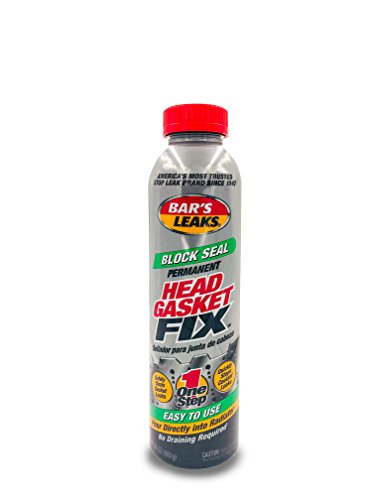
Best for sealing gasket leaks without draining the cooling system, this one-step formula uses antifreeze-compatible sealing liquid and gasket particles. It targets head gaskets, cylinder heads, intake gaskets, cracked blocks, and freeze plugs. It’s a strong candidate when you expect leaks from gasket interfaces and want a quick, easy application. Limitation: heavy-duty leaks may require professional repair beyond the product’s capacity.
K&W 401016 Block Seal Permanent Metallic
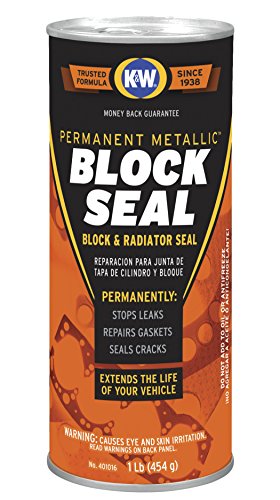
Best for long-lasting fixes where a permanent seal is desired across blocks, heads, and radiators. The product claims a permanent molecular seal capable of resisting pressure, suitable for cast iron and aluminum blocks and a range of components. Choose this if you want a durable option with broad applicability across water-cooled engines. Caution: ensure compatibility with your cooling system materials and follow the exact mixing and application instructions.
BlueDevil Radiator & Block Sealer

Best for a permanent radiator and block repair without introducing solid materials into the system. It’s noted for compatibility with plastic, aluminum, and metal radiators and for lacking solids or fibrous fillers. This makes it a cleaner option for mixed materials. Limitation: performance can depend on the size of the leak and proper system preparation.
K-Seal ST3501 Pour & Go Head Gasket Sealer

Best for blown head gaskets, cracked heads, or porous engine blocks where a fast, one-step repair is desired. Its formulation includes ceramic micro-fibers to seal leaks up to about 0.64mm. Choose this if you need rapid, wide-reaching sealing power and broad compatibility with coolant types and engine materials. Caution: heavy leaks may still require mechanical repair for a full, lasting fix.
Buying Guide: Key Considerations For Block Sealers
What type of leak are you addressing? Head gaskets, block cracks, freeze plugs, or radiator leaks each respond differently to sealers. Match the product’s stated targets to your leak type for the best chance of a successful, durable seal.
Is the cooling system compatible? Some formulas are antifreeze incompatible or require a clean system before use. Clean the system as recommended to maximize sealing effectiveness and minimize clogging risk.
Material compatibility matters. Aluminum, cast iron, and radiator materials may react differently with sealants. Review the product’s compatibility notes to avoid adverse reactions or restricted use.
Application and maintenance. Many sealers are single-use or require a specific idle time. Ensure you can follow the steps and that the engine can operate safely during the repair window.
Sealing strength and permanence. Permanent metallic or ceramic-based seals offer longer-term solutions but may demand more thorough preparation. Consider your need for a quick fix versus a lasting repair when choosing.
FAQ
- Q: Can any block sealer fix a cracked engine block?
A: Some products claim to seal small cracks, but large or structural cracks typically require mechanical repair. Always verify leak size and follow product instructions. - Q: Do sealers require draining the cooling system?
A: Many one-step formulas claim no draining is required, but always follow the manufacturer’s guidance to avoid mixing issues and ensure proper sealing. - Q: Are sealers safe for all coolant types?
A: Not always. Some sealers are compatible with antifreeze; others are not. Check compatibility notes for your coolant type before use. - Q: How soon will a sealant work?
A: Some products promise temporary stops within hours, while others claim permanent results after a cure period. Follow instructions for timing and driving conditions. - Q: When should I seek professional help?
A: If leaks persist after treatment, or if there are signs of overheating, loud knocking, or severe coolant loss, consult a mechanic for inspection and repair. - Q: Can sealers cause engine damage?
A: Improper use or incompatible sealants can lead to clogging or blockages. Always prepare the system as directed and dispose of products according to guidelines.