Answering the top questions from DIY car owners, this guide highlights practical body fillers that work on common dents, scratches, and minor rust. The best options are easy to apply, sand, and blend with your vehicle’s paint. This overview helps you choose filler based on project size, surface type, and drying time. It’s ideal for DIYers, hobbyists, and professionals looking for reliable, prep-friendly solutions.
| Product | Best For | Key Benefit | Approx. Size |
|---|---|---|---|
| Calvana 2 Pack 20g | Small touch-ups | Fast-drying, easy sanding | 20 g per pack |
| Bondo Original Formula 14 oz | Medium dents and scratches | Two-part, quick cure | 14 oz can |
| Calvana 2-Pack 20g + Sand Paper | Direct touch-ups with sanding tools | Includes sandpaper, compact kit | 20 g per pack |
| YOTEBLE Auto Body Filler | Metal, aluminum, fiberglass surfaces | High adhesion and durability | Various sizes |
| Evercoat Body Shop Glazing Putty | Minor dings and pinholes | Fast sanding, stain resistant | 13 fl oz |
Calvana 2 Pack 20g Car Body Filler Repair Kit
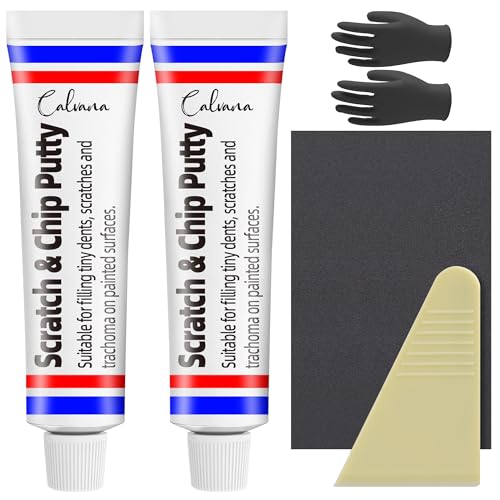
Best for quick, small touch-ups. This two-pack of 20 g automotive putty dries quickly for fast results, making it ideal for minor scratches, pits, and shallow dents. The formula sands smoothly, enabling a seamless blend with your paint. It’s particularly suitable for hobbyists or drivers who want a simple fix without a long wait.
Who it’s best for: DIYers repairing minor surface imperfections on any color vehicle. Why selected: compact size, fast-dry formula, and easy sanding support speedy finish work.
Caution: Best for shallow to moderate damage; deeper dents may require larger repair kits or body filler with higher build volume.
Bondo Body Filler, Original Formula

Best for medium dents and larger scratches. This two-part lightweight compound mixes easily, spreads smoothly, and cures in about 20 minutes, enabling same-day repairs. It works well on a variety of automotive surfaces, including metal and fiberglass, and supports a durable, paint-ready finish.
Who it’s best for: drivers seeking a reliable, fast-setting two-part filler for moderate body damage. Why selected: proven two-part system with quick cure and broad surface compatibility.
Caution: Mixing and curing depend on proper ratios; follow instructions to avoid under- or over-curing.
Bondo Glazing And Spot Putty

Best for pinholes, light scratches, and small imperfections. This versatile glazing putty is designed for metal, fiberglass, wood, and primed surfaces, with a short three-minute work time. It’s ideal for finishing touches, smoothing, and feathering around repaired areas before priming and painting.
Who it’s best for: those performing finishing work after primary filler. Why selected: quick work time and compatibility with multiple substrates.
Caution: Not suited for deep dents or major structural repairs; use as a finishing layer after initial filler.
TouchUpDirect Scratch & Chip Putty
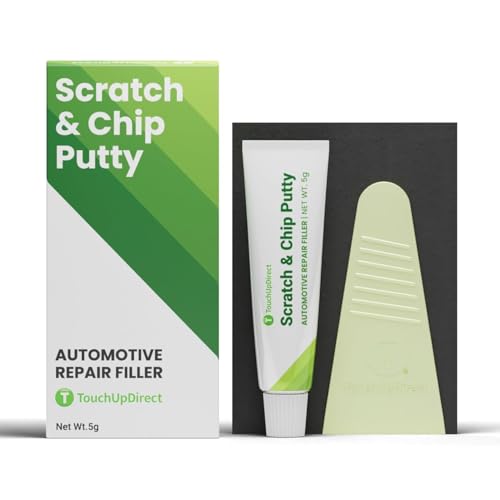
Best for ready-to-use, no-mix repairs on small damaged areas. This 5 g tube is designed for 5–10 spots, making it ideal for parking lot dings, chips, and minor scrapes. It adheres to metal, fiberglass, and aluminum and dries in roughly 30 minutes for quicker progression to sanding and painting.
Who it’s best for: DIYers seeking a no-muss approach for tiny scratches and chips. Why selected: no-mix formula and targeted coverage reduce waste and prep time.
Caution: Limited volume means it may be insufficient for larger repairs; consider larger kits for extensive damage.
Auto Body Filler, 100g Kit by YOTEBLE

Best for wider, deeper fills on metal, aluminum, and fiberglass. This filler emphasizes high adhesion, heat resistance, and flexibility to resist cracking and slight body deformation. It’s designed for a durable repair with a smooth, grind-friendly finish after curing.
Who it’s best for: professionals and serious DIYers addressing larger dents or areas with minor deformation. Why selected: strong adhesion and durable finish after curing.
Caution: Requires proper surface preparation for maximum adhesion; ensure clean, dry surfaces before application.
Evercoat Body Shop Glazing Putty

Best for minor dings and low spots with a professional finish. This glazing putty sands faster than many competitors and resists staining, helping maintain a pristine final look before priming and painting. It is suitable for aluminum, fiberglass, and other common automotive substrates.
Who it’s best for: body shops and hobbyists focusing on a clean, smooth topcoat. Why selected: faster sanding and stain resistance support a consistent finish.
Caution: Not a primary filler for deep dents; use with a strong base filler for structural repairs.
Buying Guide: Key Considerations For Choosing Car Body Putty
- Damage size and depth: Tiny scratches respond well to small putties; larger dents may require a two-part filler with more build height.
- Surface material: Check whether the filler adheres to metal, fiberglass, aluminum, or wood as applicable to your car.
- Drying and work time: Quick-dry formulas speed up projects but may require faster handling; longer work times allow more precise shaping.
- Finish and sanding: Choose products described as sandable or finishing putties if you plan to prime and paint soon after.
- Two-part vs. ready-to-use: No-mix options are convenient but may offer less control over set time and consistency.
- Compatibility with primer: Ensure the filler is compatible with your primer system to avoid adhesion issues.
Frequently Asked Questions
- What is the best putty for small scratches on a car? A ready-to-use, small-tube putty is ideal for shallow scratches and pinholes, offering quick application and fast drying, such as TouchUpDirect Scratch & Chip Putty.
- How long does car body filler take to dry? Drying times vary; some quick-dry formulas cure in about 20–30 minutes, while others may take longer depending on temperature and humidity.
- Do I need a hardener with all fillers? Not always. Some products are no-mix and ready-to-use, while others require a separate hardener for proper curing.
- Can I use glaze putty on painted surfaces? Yes, glazing putty is designed for final smoothing, pinholes, and minor imperfections after primary repair work.
- What should I do before applying filler? Clean and dry the surface, remove rust, and roughen the area with sandpaper to improve adhesion.
- Which filler is best for large dents? Look for a two-part filler with good build and expansion characteristics, such as Bondo Original Formula, to handle larger repair areas.