Direct answer: For squeaky brakes, use a non-residue, quick-evaporating brake cleaner that safely dissolves grease and brake dust from rotors, calipers, and pads. The best options below are chosen for reliability, safe formulations, and clear guidance on where they work best. This guide helps DIY riders and bike enthusiasts pick a cleaner that won’t harm paint, plastics, or sensitive components.
Top picks overview (summary table):
| Product | Best For | Notes |
|---|---|---|
| Finish Line Bike Brake Cleaner Spray Can | Mountain bikes, disc brakes | Safe on paint and plastics; eco-friendly |
| CRC Brakleen 14 oz | General bicycle maintenance | Non-chlorinated; low VOC |
| OUMSIS Brake Cleaner | All brake components | Non-chlorinated; quick degrease |
| Doc’s Brake Parts Cleaner | Professional prep work | Fast-drying; residue-free |
| CRC Brakleen 14 oz (12 pack) | Bulk cleaning | Non-chlorinated; low VOC |
Finish Line Bike Brake Cleaner Spray Can

The Finish Line brake cleaner is designed to refresh dirty brake pads and rotors, helping mountain bikes regain braking performance. It is formulated to be tough on dirt while gentle on the bike’s paint, carbon parts, and plastics. This makes it a strong choice for riders who ride off-road and want a safe, eco-friendly option. Best for riders who value a balance between cleaning power and component safety.
Why selected: It emphasizes performance restoration and has a safer, eco-friendly profile. Caution: Use in a well-ventilated area and avoid contact with painted surfaces for extended periods.
CRC Brakleen 1003695 Brake Cleaner Spray Non-Chlorinated 14 oz

This non-chlorinated brake cleaner is a versatile option for removing brake fluid, grease, oil, and other contaminants from brake linings and pads. Its low VOC formulation makes it a safer choice for frequent maintenance. Best for riders who want a mainstream, accessible cleaner with dependable degreasing power.
Why selected: Non-chlorinated formula reduces harsh chemical exposure. Limitation: Check for compatibility with certain plastics and rubbers if used near sensitive seals.
OUMSIS Brake Cleaner, Non-Chlorinated Spray

OUMSIS offers a non-chlorinated brake cleaner with a low-odor profile that is non-harmful to humans and safe for brake components. It’s designed to quickly degrease and restore performance by removing grease, oil, and brake fluid. Best for users who prioritize a quick, residue-free clean across multiple brake parts.
Why selected: Strong cleaning action with a safe, low-odor formula. Caution: Ensure surfaces are fully dried before reassembly to avoid moisture-related issues.
Aerosol CRC 05084 BRAKLEEN Brake Parts Cleaner

This chlorine-free brake cleaner is suitable where compliance calls for a chlorine-free product and is formulated to remove brake fluid, grease, oil, and other contaminants from brake linings and pads. Best for shops or riders who need a non-chlorinated option in a spray form. Limitation: Not sold in California.
Why selected: Chlorine-free formulation aligns with safety and environmental considerations. Choose this if local regulations or preferences favor non-chlorinated cleaners.
Doc’s Brake Parts Cleaner, Non-Chlorinated

Doc’s Brake Parts Cleaner provides fast-drying, residue-free cleaning for rotors, calipers, and drums. It’s designed for professional prep work and routine servicing, helping technicians remove brake dust, grease, and oil without leaving behind a film. Best for professional shops or serious DIYers who need quick turnaround.
Why selected: Quick evaporation reduces downtime. Caution: Ensure complete drying before reassembly to prevent moisture issues.
P & S Professional Detail Products Brake Buster Wheel Cleaner
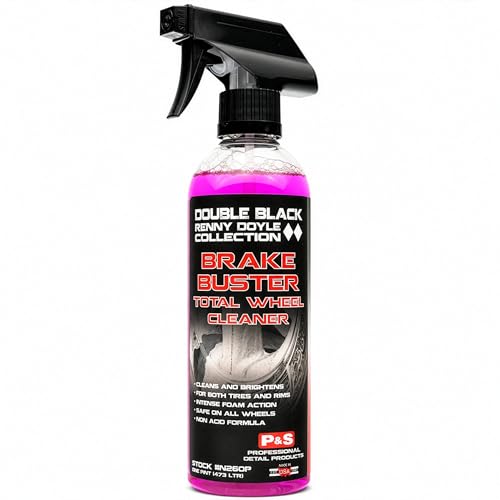
This non-acid wheel, tire, and brake cleaner is safe for most wheel finishes and helps remove brake dust and road contaminants. It’s foamable and can be diluted for foam sprayers, aiding deeper cleaning of rims and brake components. Best for those who want wheel-focused cleaning with brake dust removal.
Why selected: Versatile for wheels and brakes; avoid if you need a strong solvent near delicate finishes or require non-foaming formulas.
CRC Brakleen Non-Chlorinated 12-Pack (14 oz each)

This pack provides bulk cleaning power with a non-chlorinated formula designed to remove brake fluid, grease, and oil from brake parts. Best for garages, fleets, or households that require multiple cleanings without frequent repurchase. Limitation: Bulk packaging may be less convenient for tight spaces.
Why selected: Great value for ongoing maintenance. Choose this if you clean brakes regularly or manage several bikes or vehicles.
Buying Guide: Brake Cleaner For Squeaky Brakes
- What formulations should I look for? Non-chlorinated formulas reduce harsh exposure and corrosion risk. Look for low-odor options and fast evaporation to minimize residue on rotors and pads.
- Are there surfaces to avoid? Some cleaners can affect rubber seals, painted frames, or plastics. Prefer products that specify safety on metal, paint, carbon, and plastics, and follow manufacturer directions.
- What about environmental and safety concerns? Choose eco-friendly or low-VOC cleaners when possible. Use in a well-ventilated area and avoid spraying near openings or flames.
- Single-use spray vs. bulk? If you service bikes frequently, a bulk pack offers value. For occasional maintenance, a single can with a precise nozzle may be better to control application.
- Which product is best for beginners? A universal brake cleaner with clear directions and quick-dry properties minimizes rework and helps beginners build confidence before reassembly.
FAQ
- Can I use brake cleaner on all bike components? Use on rotors, calipers, and metal brake parts. Avoid prolonged contact with sensitive plastics and non-metal components; always dry surfaces before reassembly.
- Is it safe to use brake cleaner on carbon rims? Some formulas are designed to be safe on carbon; check product labels. If unsure, test on a small area first or choose a carbon-safe option.
- Will brake cleaner remove rust or corrosion? Brake cleaners dissolve grease and contaminants but are not designed to remove heavy rust. For corrosion, consult a professional or use a dedicated rust remover as directed.
- How long should I wait after spraying? Allow a brief air-dry period until surfaces feel dry to the touch before reassembling or riding.
- Do I need to rinse after using brake cleaner? Most modern cleaners do not require rinsing, but follow the product’s label for best results and recheck for residue before installation.