If you want to shield your car doors and bumpers from parking lot dings, door impacts, and minor collisions, bumper pads are a smart choice. This guide highlights five well-rounded options suitable for different vehicle types and installation preferences. Ideal buyers include DIY enthusiasts, families with tight parking spaces, and anyone seeking quick, non-permanent protection. A quick summary table below helps compare each pick at a glance.
| Product | Best For | Key Benefit | Installation | Notes |
|---|---|---|---|---|
| AMPULLA GWP02S Garage Wall Protector (4 Black) | Garage or wall-side protection; flexible shapes | Eco-friendly, cuttable, reinforced adhesive | Self-adhesive with fiberglass mesh | Works on 90-degree surfaces and curved surfaces |
| VEXPLO DIY Car Bumper Protector | Rear bumper shielding; quick DIY installs | Durable rubber to absorb impact | Peel-and-stick application | No residue after removal |
| BokWin 4-Packs Anti-Collision Patch | Universal bumper edge protection | Flexible and easy to apply | Adhesive tape prep and stick-on | Fits a wide range of cars; four pieces included |
| Pacer Performance 25-535 | Low-cost bumper protection | Gloss black PVC pads; UV protected | 3M self-adhesive tape | Simple, affordable protection |
| SINGARO Car Rear Bumper Protector | Car/SUV rear bumper protection | Anti-scratch and flexible | Easy installation; no drilling | High flexibility with full bumper edge coverage |
AMPULLA GWP02S Garage Wall Protector Car Door Protectors

Best for: Garage sides and wall surfaces where doors may swing into walls. The German-designed wall protector uses a diamond-textured, odorless, eco-friendly material with RoHS authentication. Its cuttable, flexible design makes it suitable for 90-degree corners, curved surfaces, and cylindrical columns. The fiberglass mesh back adds non-tearing adhesion that can be removed without wall damage. Caution: The adhesive is strong; ensure correct surface prep to avoid residue on delicate finishes.
VEXPLO DIY Car Bumper Protector Guard

Best for: SUVs, cars, and trucks needing a quick, stand-alone bumper guard. Made from durable rubber, it guards against scratches and dents and hides minor damage. Installation is straightforward with no tools required, and it leaves no residue when removed. Caution: Designed for rear bumper protection; ensure correct placement to maximize coverage.
BokWin 4-Packs Anti-Collision Patch Bumper Guard

Best for: A universal fit with a practical four-piece set. Each patch offers flexible, durable protection for bumper edges, reducing the risk of scrapes during parking. Easy installation requires clean surfaces and applying adhesive tape. Caution: Adhesive effectiveness depends on surface preparation and ambient conditions.
Pacer Performance 25-535 Bumper Protector Pad Kit

Best for: Budget-conscious buyers seeking a simple, UV-protected bumper protection option. The universal UV-protected gloss black PVC pads offer an inexpensive way to shield the vehicle from minor parking lot scrapes. Installation is quick with 3M self-adhesive tape. Caution: PVC can show wear over time in harsher climates; check for cracking before long-term use.
SINGARO Car Rear Bumper Protector
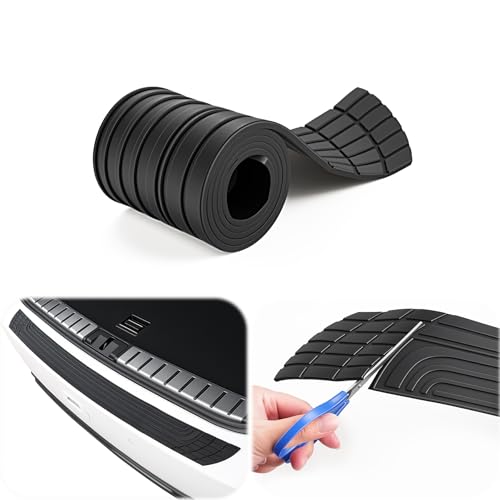
Best for: Cars and SUVs needing rear bumper protection with anti-scratch performance. The protector is designed to be flexible and easy to install without drilling. Caution: Ensure fitment on bumper edges varies by model; verify dimensions before purchasing.
Buying Guide: Key Considerations For Bumper Pads
- Material and protection level: Look for UV resistance, water resistance, and scratch protection when choosing bumper pads. Rubber and PVC options offer different levels of impact absorption and durability.
- Adhesion method: Self-adhesive pads ease installation but require clean surfaces. Fiberglass-backed or reinforced adhesives reduce the risk of tearing or leaving marks on walls or bumpers.
- Fit and coverage: Universal fits are common, but measure bumper or door edges to ensure adequate coverage. Longer patches protect more area but may need trimming for a neat finish.
- Flexibility and ease of installation: Cuttable or flexible strips are ideal for curved surfaces, corners, or irregular shapes. Consider whether you prefer DIY installation with minimal tools.
- Removal and residue: Some protectors remove cleanly without leaving adhesive residue; others may pull paint if not removed carefully. Test on a small area if possible.
FAQ
- What are bumper pads best used for?
They protect bumper edges, doors, and vehicle sides from parking-lot scrapes, dings, and scratches, especially in tight garages or urban parking.
- Can I install bumper pads myself?
Yes. Most options feature peel-and-stick or adhesive-backed designs intended for DIY installation with basic surface cleaning.
- Will bumper pads damage my car paint?
Most modern pads are designed to minimize risk, but adhesion can pull paint if surfaces are dirty, oily, or rough. Follow manufacturer prep instructions and test on a small area first.
- Are these pads legal for use on the road?
Most bumper pads are intended for parked vehicles only. Do not drive with pads attached in most cases, as they can interfere with aerodynamics or create safety hazards.
- How long do bumper pads last?
Durability depends on material and climate. Rubber and PVC options tend to endure daily use better, while foam-based pads may wear faster in harsh conditions.
- Do I need to remove pads for car wash?
In most cases, leaving pads on during washing is fine, but check the product’s cleaning guidance to avoid adhesive damage.