If you’re shopping for a cold air intake for a diesel engine, you want better airflow, cooler air, and clearer turbo induction without extra drone. This guide highlights five top choices that suit common diesel platforms, from Ram and GM Duramax to Ford Power Stroke. Each option targets different trucks and use cases, so you can pick the best match for towing, daily driving, or performance-minded mods.
Summary table of selected products:
| Product | Best For | Key Benefit | Compatibility |
|---|---|---|---|
| K&N NextGen Diesel Dryflow 50-1583D | RAM 2019-2026 2500/3500 | Dyno-proven power gains, reduced air intake temperatures | RAM 2019-2026 |
| K&N NextGen Diesel Dryflow 50-3119D | Chevrolet/GMC 2020-2026 HD | Improved airflow and towing torque | Chevrolet Silverado/Sierra 2500HD/3500HD |
| Rough Country Cold Air Intake, 17-19 Ford Super Duty 6.7L | Ford F-250/F-350 2017-2019 | Cooler air and throttle response | Ford 6.7L Power Stroke |
| LDMINDA 4 Inch Cold Air Intake Kit for Dodge Ram 2500/3500 6.7L Cummins | RAM 2007.5-2012 | Aluminum 4″ pipe with mandrel bends for airflow | Dodge Ram 2500/3500 6.7L Cummins |
| ZANILIA 4 inch Cold Air Intake Kit for Dodge Ram 2500/3500 6.7L | RAM 2007.5-2012 | Corrosion-resistant aluminum/steel construction | Dodge Ram 2500/3500 6.7L Cummins |
K&N NextGen Diesel Dryflow 50-1583D for RAM 2019-2026

The K&N NextGen 50-1583D is designed for RAM 2500/3500 trucks from 2019 to 2026. It emphasizes dyno-proven horsepower and torque gains with a semi-enclosed airbox, larger fresh air inlet, and improved durability in diesel environments. Best for Ram owners seeking noticeable throttle response per performance tuning assumptions without reprogramming.
Who it’s best for: RAM owners who tow frequently or want improved acceleration with a stock tune. Why selected: proven flow improvements and durable construction with NextGen airbox features. Caution: results can vary with factory exhaust and other engine mods.
K&N NextGen Diesel Dryflow 50-2613D for Ford F-Series (2020-2026)
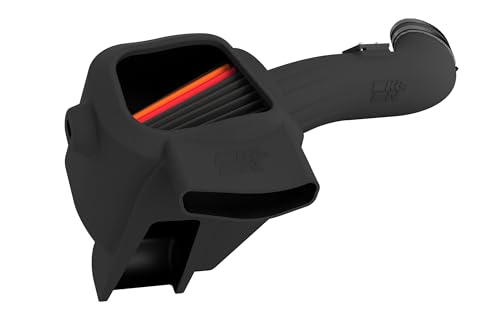
This K&N 50-2613D is designed for Ford F-series pickups from 2020 to 2026. It offers dyno-proven performance gains, better towing torque, and a NextGen airbox that lowers intake temperatures while protecting the filter from harsh diesel environments. Best for Ford owners prioritizing higher torque for heavy loads and improved highway cruising efficiency.
Who it’s best for: Ford diesel owners focusing on towing and highway performance. Why selected: strong dyno-backed claims and a robust NextGen airbox. Caution: as with other aftermarket intakes, performance depends on overall truck setup.
Rough Country Cold Air Intake for Ford 6.7L Diesel (2017-2019)

Rough Country’s 6.7L diesel intake aims to increase horsepower and throttle response by drawing cooler, denser air. It includes a premium, reusable air filter. Best for Ford owners wanting a straightforward upgrade with a focus on intake air temperature and response. Caution: may require calibration for certain tuning setups and can affect warranty considerations depending on the vehicle.
ZANILIA 4 Inch Cold Air Intake Kit for Dodge Ram 2007.5-2012

Designed for Dodge Ram 2500/3500 with 6.7L Cummins from 2007.5 to 2012, this 4″ aluminum kit emphasizes corrosion resistance and includes a filter and mounting hardware. Best for Dodge owners seeking a cost-effective upgrade to reduce air intake restrictions. Caution: lacks installation instructions in some packages, so professional installation may be advisable.
LDMINDA 4 Inch Cold Air Intake Kit for Dodge Ram Cummins

LDMINDA offers a 4″ aluminum cold air intake with a mandrel-bent pipe and an oiled filter compatible with 2007.5-2012 Dodge Ram 2500/3500 6.7L Cummins. Best for Ram owners who want a straightforward, robust upgrade with a focus on intake flow. Caution: installation notes are not included in some listings, so check compatibility carefully.
Buying Guide: Key Purchase Considerations
- Engine compatibility: Verify the intake fits your truck’s year, model, and engine displacement (6.7L Cummins, Power Stroke, or Duramax).
- Airbox design: NextGen/airbox systems often lower air temperatures and reduce induction noise; consider if you value temperature control and quieter operation.
- Materials and finish: Aluminum and stainless components offer corrosion resistance in harsh diesel environments; polished finishes can be more aesthetic but costlier.
- Filter type: Oiled filters can trap more dirt but require maintenance; dry filters are low-maintenance but may offer less filtration efficiency in some conditions.
- Installation needs: Some kits include mounting brackets and screws but not instructions; ensure you have the necessary tools or professional installation.
- Performance expectations: Intake improvements vary with truck condition, exhaust, and tuning. Do not expect dramatic horsepower gains on stock tunes without supporting modifications.
- Warranty and compatibility: Consider how aftermarket intakes interact with your vehicle warranty and other aftermarket modifications.
Frequently Asked Questions
- Do cold air intakes really add horsepower on diesel engines?
Yes, by increasing airflow and reducing intake air temperature, which can improve combustion efficiency and throttle response. Results vary by engine and supporting parts. - Will a diesel cold air intake affect my fuel economy?
It can, but gains are typically modest and depend on driving habits and overall tune. Aggressive driving may offset efficiency benefits. - Is installation difficult for most diesel intakes?
Many kits are designed for direct bolt-on installation but can require basic hand tools and some mechanical know-how. Some listings lack instructions. - Can I tow more effectively with a cold air intake?
Some products advertise improved towing torque. Real-world results depend on engine health, exhaust, and gearing. - Do these kits affect warranty?
Aftermarket intakes can affect vehicle warranties depending on manufacturer policies and local regulations. Check with the dealer or warranty terms. - Are there any maintenance considerations for oiled filters?
Oiled filters require periodic cleaning and re-oiling to maintain filtration efficiency and airflow.