Finding a reliable diagnostic car code reader can save time and money by accurately identifying engine and system faults. This guide highlights five top-rated OBD2 scanners, detailing what each offers, how they perform, and who they’re best for. Use the buying guide to compare features like live data, code reading, MIL clearing, and user-friendliness to pick the right tool for your vehicle maintenance needs.
| Product | Brand | Key Features |
|---|---|---|
| ANCEL AD310 Classic Enhanced Universal OBD II Scanner | ANCEL | Reads/clears trouble codes, live data, freeze frame, I/M readiness, durable build, no battery required |
| FOXWELL NT301 OBD2 Scanner | FOXWELL | Reads DTCs, live data, VIN retrieval, basic code reading (no ABS/TPMS), simple interface |
| BlueDriver Bluetooth Pro OBDII Scan Tool | BlueDriver | Wireless diagnostics, read/clear codes, ABS/SRS/TPMS support, unlimited repair reports |
| MOTOPOWER MP69033 OBD2 Scanner | MOTOPOWER | 9 protocols, real-time data, I/M readiness, no battery required, 2.8″ LCD, multilingual |
| VDIAGTOOL VD10 OBD2 Scanner | VDIAGTOOL | Read/clear codes, live data, I/M readiness, freeze frame, wide compatibility |
ANCEL AD310 Classic OBD II Scanner

The ANCEL AD310 is a compact, widely compatible OBD II scanner designed to identify the cause of a check engine light quickly. It reads and clears diagnostic trouble codes related to the emission system and can display live data, freeze frame, I/M readiness, and vehicle information. Its sturdy construction includes a thick, flexible 2.5-foot cable, helping mitigate accidental drops during use. Weighing around 12 ounces with a compact footprint, the AD310 emphasizes portability and ease of use, with clearly labeled buttons and a legible display. It powers from the vehicle’s OBDII port, requiring no external battery or charger. This makes it a practical, affordable option for DIYers and professionals alike who want straightforward fault code reading and quick problem verification.
FOXWELL NT301 OBD2 Scanner

The FOXWELL NT301 focuses on essential OBDII diagnostics with live data streaming and the ability to read DTCs, check emission readiness, and VIN retrieval. It’s suitable for users who want a straightforward tool that reads codes and monitors live sensor data. Note that NT301 does not support ABS, TPMS, or advanced maintenance functions like EPB resets or battery registration. It provides a clean, focused interface for diagnosing common engine-related issues and verifying repairs after fixes have been made. This makes it a solid mid-range option for hobbyists and professional mechanics dealing with everyday vehicle maintenance.
BlueDriver Bluetooth Pro OBDII Scan Tool
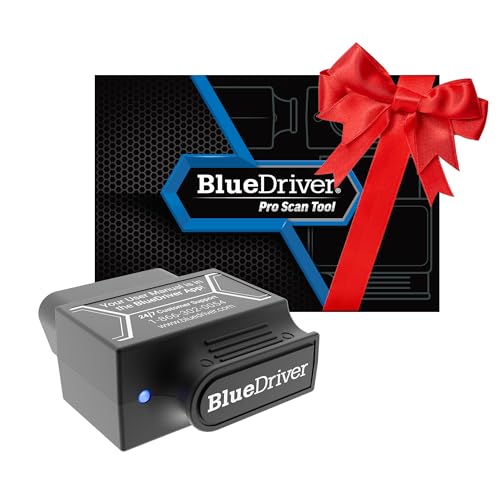
BlueDriver stands out as a wireless diagnostic solution for iPhone and Android users. It reads and clears codes across a broad range of systems, including ABS, SRS, and TPMS, and offers unlimited repair reports with possible causes and fixes. Real-time data reporting and health monitoring through the app provide a comprehensive picture of vehicle health on the go. It is a premium option for those who prefer a connected experience and value in-depth diagnostic insights, rather than a basic code reader. This tool is well-suited for frequent DIYers, professional technicians, and fleet operators seeking a robust, subscription-free diagnostic ecosystem.
MOTOPOWER MP69033 OBD2 Scanner

The MP69033 offers multi-function OBD2 scanning with a built-in DTC lookup library and real-time data capabilities. It supports nine vehicle protocols and a broad range of OBDII/CAN-compliant vehicles, including 1996 and newer models. The 2.8-inch LCD with backlight is easy to read in various lighting conditions, and the device powers directly from the vehicle without requiring a charger. The MP69033 provides essential data like engine load, coolant temperature, speed, and RPM, making it a versatile option for quick diagnostics and ongoing monitoring for a wide variety of cars and light trucks.
VDIAGTOOL VD10 OBD2 Scanner
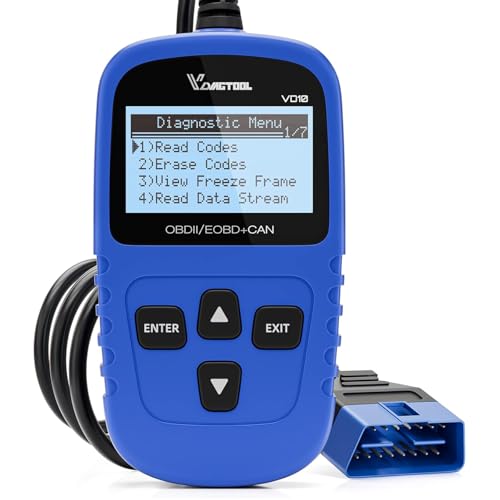
VDIAGTOOL’s VD10 is positioned as a user-friendly tool for DIYers and everyday drivers. It delivers essential OBDII features: reading and clearing codes, viewing freeze frames, and checking I/M readiness. The device emphasizes quick fault code retrieval with an accessible interface and built-in DTC definitions. It supports a wide range of OBDII protocols and provides a practical option for those seeking a straightforward, affordable diagnostic tool without advanced maintenance functions. The VD10 aims to empower car owners to identify issues and verify repairs efficiently.
Buying Guide: Key Purchase Considerations
- Vehicle compatibility and protocols: Most consumer OBD2 scanners support 1996 and newer vehicles with OBDII. Look for devices that handle CAN, ISO 9141, KWP2000, and other common protocols to ensure broad compatibility with US, European, and Asian makes.
- Core functions vs. advanced features: If you primarily need to read and clear codes, a basic code reader is often sufficient. If you want live data, freeze frame, and I/M readiness, choose a model that offers robust live data graphs and storage. ABS, SRS, and TPMS support adds value for more comprehensive diagnostics.
- Interface and ease of use: A clear screen, intuitive menus, and quick DTC lookup definitions reduce troubleshooting time. Consider whether you prefer wired scanners or wireless Bluetooth connectivity and if you want a mobile app ecosystem with repair suggestions.
- Data access and reporting: Some tools provide unlimited repair reports or the ability to print fault data, which can be helpful for professional work or sharing information with a mechanic.
- Power and portability: Most devices draw power from the vehicle’s OBDII port. Portability, weight, and durability matter if you work in garages or frequently carry the tool in a vehicle.
- Software updates and support: Tools with updatable databases or free lifetime updates can maintain relevance by expanding supported codes and features over time.
- Budget and use-case: For occasional DIY checks, a compact, affordable scanner may suffice. For regular use, a tool with live data and broader code coverage provides better long-term value.
- Reliability and reviews: Look for models with positive user feedback, warranty coverage, and reputable brand support to ensure accurate diagnostics and durable build quality.
Overall, the best diagnostic car code reader balances compatibility, essential diagnostic capabilities, and ease of use for your specific vehicle fleet and maintenance workflow. Whether you’re a weekend DIYer, a professional technician, or managing a small fleet, there is a tool that fits your needs without overwhelming complexity or cost.