Answering buyers seeking reliable, high-performance electric motors for trikes, this guide highlights five strong options and explains who each is best for. Whether you’re upgrading a DIY three-wheeler, building a cargo trike, or restoring an older pedal-assist setup, these kits offer solid power, durable components, and practical features. Each section includes who benefits most, why it was selected, and a practical caveat to consider before buying.
| Product | Motor Type | Power Range | Best For |
|---|---|---|---|
| Unndysrt 48V 1000W Brushed Kit | Brushed DC | 1000W | Daily commuting and versatile DIY builds |
| Unndysrt 48V 750W BLDC Kit | Brushless DC | 750W | Balanced performance for urban trips and cargo hauls |
| Pnpaea 550W-2000W Differential Motor | Brushless DC | 550W–2000W | Custom, higher-demand trike builds |
| DC GEAR MOTOR BEMONOC 36V 350W | DC Gear Motor | 350W | Budget builds and lightweight upgrades |
| FONSOLUM 48V 500W Kit | Brushless DC | 500W | Stable, mid-range performance for varied terrains |
Unndysrt 48V 1000W Brushed Motor Kit

The 1000W brushed permanent magnet DC motor offers 3000 rpm and 4.5 N.m torque, paired with an adjustable speed controller and LED display. Durable construction uses iron and copper with an electroplated finish for corrosion and abrasion resistance. Best for builders who want direct, steady power and a straightforward installation on a variety of trikes or motorized bicycles. Limitations include potential higher heat in sustained climbs compared to higher-end BLDC options, so plan for cooling in hot or steep environments.
Who it’s best for: DIY hobbyists and riders needing robust, easy-to-drop-in power for daily routes and light cargo. This kit suits beginners who want a reliable, visible power setup and simple tuning.
Unndysrt 48V 750W BLDC Motor Kit

This 750W brushless kit emphasizes efficiency with an estimated efficiency over 82% and a top speed in line with typical urban commutes. Its design prioritizes long-term use with copper, iron, aluminum, and magnets chosen for wear and impact resistance, supporting a load capacity that suits most tricycles. Best for riders who want better energy efficiency and higher payload capability, yet still maintain manageable weight and cost. A potential limitation is that real-world performance depends on wheel size and gearing, so verify compatibility with your trike.
Who it’s best for: Commuters and light-haul riders seeking efficient, durable performance on daily trips with emphasis on cargo support.
Pnpaea 550W-2000W Differential Motor Kit

This dual-range motor supports 48V to 72V setups with 3000 rpm and 5-hole, 16-tooth configurations, targeting higher-powered trike builds. The design emphasizes high-quality materials, pure copper windings, and strong output with low heat generation, supporting longer operation with sustained loads. Best for advanced DIY projects that demand higher top-end power and flexible voltage operation. A caution: as with many high-power kits, thermal management matters on long climbs or fully loaded runs.
Who it’s best for: Builders pursuing powerful, versatile trikes and conversions requiring a broad voltage range and robust torque.
DC GEAR MOTOR BEMONOC 36V 350W
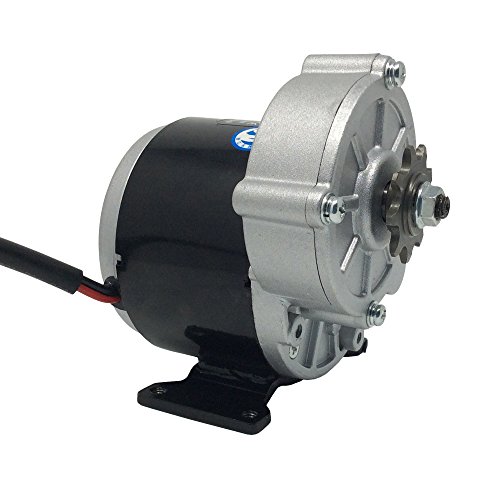
The BEMONOC 36V 350W motor is a compact gear-motor solution designed for lighter trikes or upgrades where space and weight are important. It ships with a 9-tooth sprocket and a 410 chain sprocket option, enabling simple customization for different drivetrains. Best for budget-conscious builders seeking a straightforward, install-friendly kit. Limitation includes lower power output, which may not be ideal for heavy loads or steep terrain.
Who it’s best for: Casual builders and riders upgrading smaller or lightweight trikes where cost and space matter most.
FONSOLUM 48V 500W Kit

The 500W brushless kit offers a balance of power and efficiency, delivering up to 16.16 mph with 26-inch wheels and 10.2 N.m torque for solid hill climbing. Its robust construction is designed for stability and a variety of terrains, from city streets to light rural roads. Best for riders who want a dependable, mid-range performance with a strong torque profile. Note that top speed and performance will depend on wheel size and gearing, so verify compatibility with your trike’s specifications.
Who it’s best for: Everyday users seeking reliable, all-around performance on mixed surfaces without paying for high-end components.
Buying Guide
Key considerations when selecting an electric motor kit for a trike include power needs, voltage compatibility, weight capacity, and the intended riding environment. Below are practical questions and answers to guide decisions.
What power level matches my trike’s needs?
For light-duty use, a 350–500W kit can handle flat to mildly hilly terrain. For heavier riders or frequent climbs, 750–1000W provides better acceleration and hill capability. If planning heavy cargo or long uphill routes, consider higher-end BLDC or dual-range options.
How do voltage and wheel size affect performance?
Higher voltages (48V vs 36V) typically enable more torque and speed potential. Larger wheels reduce torque feel but improve stability. Always confirm wheel size compatibility and gearing when evaluating a kit.
Is durability or cost more important for my project?
Durability favors metal housings, copper windings, and corrosion resistance. If cost is a priority, lighter-duty brushed or mid-range BLDC kits offer value but may require more frequent maintenance and cooling awareness.
What about installation and compatibility?
Check mounting hardware, frame clearance, and chain/sprocket compatibility with your trike. Some kits include sprockets or offer multiple sprocket options; others require custom fitting or additional adapters.
What maintenance should I expect?
Brushless motors typically require less maintenance than brushed options but require regular checks on wiring, connectors, and cooling. Keep an eye on belt or chain tension and ensure proper lubrication where applicable.
Careful with heat and weight limits
Powerful kits generate more heat during steep climbs or long durations. Ensure adequate cooling and avoid overloading beyond the stated load capacities to maintain efficiency and longevity.
FAQ
- What’s the easiest motor kit for a first-time trike build? A 500–750W brushless kit often offers a balance of performance and install simplicity for beginners.
- Can I reuse my existing drivetrain with these kits? Many kits are designed for common bicycle drivetrains, but compatibility varies. Check sprocket sizes and mounting patterns for each kit.
- Do these kits include batteries? Most listed kits focus on the motor and controller; verify whether a battery is included or available separately.
- Will these work on all three-wheeled bikes? Compatibility depends on frame design, mounting points, and load capacity. Confirm fit with your specific trike model.
- What is the difference between brushed and brushless motors? Brushed motors are typically cheaper and simpler but wear faster; brushless motors provide higher efficiency, less maintenance, and longer life.
- How important is torque for a trike? Torque affects climbing ability and hauling capability. Higher torque helps with steep grades and heavier loads.