Finding the right electric bike tire can boost stability, comfort, and efficiency. This guide highlights five top picks and explains who each is best for. Whether you ride daily in the city, hit light off-road trails, or convert a bike into a powerful electric ride, these tires and kits are chosen to help you decide faster. Below is a quick buyer’s table to compare highlights.
| Product | ||
|---|---|---|
| MEGHNA Fat Bike Tire 16 x 4.0 | Fat-bike riders, e-bikes, snow conditions | Stable, versatile traction across terrains |
| Libereco 14×2.125 (57-254) with Tubes | Urban commuting on 10″ rims | Easy inflation, smooth city ride |
| Pagpl Fat Tire 20×4.0 | All-terrain riding, off-road and trails | Biomimetic tread for grip and durability |
| ZUKKA 16×4.0 E-Bike Tire | Electric mountain bikes and mixed conditions | Wide tread for better grip and drainage |
| WEIYINGSI 14×2.125 Solid Tire (1 Pack) | Low-maintenance, puncture-proof front/rear use | No air leaks, durable under heavy use |
Notes: These selections emphasize compatibility with common e-bike setups, clear sizing guidance, and practical trade-offs. All choices prioritize stability, ease of maintenance, and broad terrain suitability for American riders.
MEGHNA Fat Bike Tire 16 x 4.0
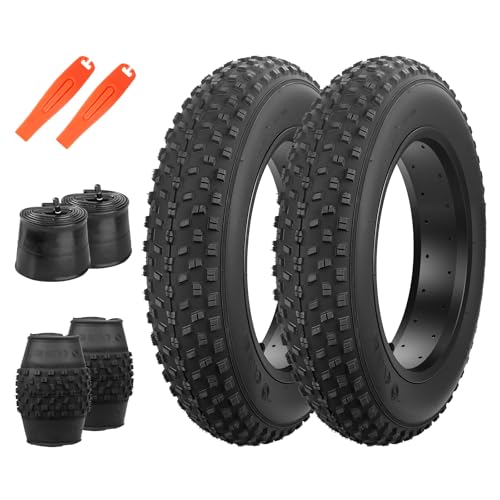
Best for riders seeking a true fat-tire experience on a variety of surfaces. The MG-BT-16-4.0 tire set includes two outer tires, inner tubes, and tire levers, enabling straightforward installation on fat bikes or e-bikes with similar rims. The tire inflates to a maximum of 20 PSI, offering stability on asphalt, sand, grass, mud, and snow. Notably, these tires emphasize comfort and terrain adaptability, making them well suited for winter commutes or weekend trail rides. A potential limitation is the lower inflation ceiling, which may affect performance on very hard-packed surfaces at high speeds.
Who it’s for: Fat-tire enthusiasts, e-bike riders who ride across varied terrains, and those who value added stability and flotation. Choose this if you want a foldable, all-terrain fat tire that’s ready to bolt onto compatible fat-bike rims.
Libereco 14×2.125 Electric Tire (57-254) with Tubes
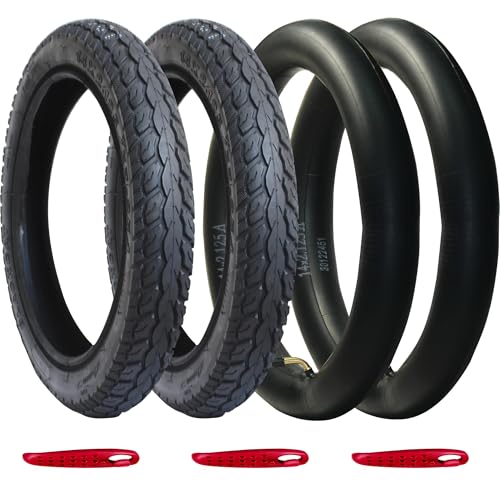
Best for city commuting and everyday use on 10″ rims. This two-pack offers a precise fit for e-bikes, electric scooters, or kids’ bikes with 10″ rims. The set includes bent valve inner tubes and three tire levers for straightforward installation. For optimal performance, inflate to 35-43 PSI. A caution: ensure correct rim sizing, as an improper fit can affect ride quality and tubeless readiness.
Who it’s for: Urban riders and parents outfitting compact e-bikes or scooters who need dependable, easy-to-inflate tires with a comfortable city ride.
Pagpl Fat Tire 20×4.0 Inch

Best for all-terrain exploration and long rides on electric mountain bikes. This 20×4.0 tire uses a dual-function tread with biomimetic grooves to provide stable grip on straight paths and reliable cornering. The reinforced compound supports tread flexibility and wear resistance, extending life on rugged trails. It’s a solid choice for riders who frequently transition from roads to light trails. Limitation: the tire’s 20×4.0 size can be heavy for some compact bikes and may require a wider rim room.
Who it’s for: Mountain bikers and explorers who need an all-terrain tire with durable grip for varied surfaces.
ZUKKA 16 x 4.0 E-Bike Tire
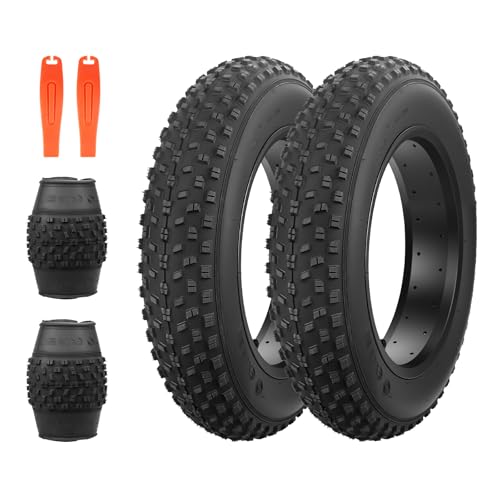
Best for mountain and hard-packed trails with electric assist. The 16×4.0 size suits fat-bike compatible setups, promoting better handling in mixed conditions. The tire’s material composition emphasizes durability and robust wear resistance, while the tread design aids drainage for wet or muddy days. A potential limitation is compatibility on non-fat rims, so verify rim width before purchase.
Who it’s for: Riders seeking a high-traction, wide-tire option for e-mountain biking or mixed off-road conditions.
WEIYINGSI 14×2.125 Solid Tire (1 Pack)
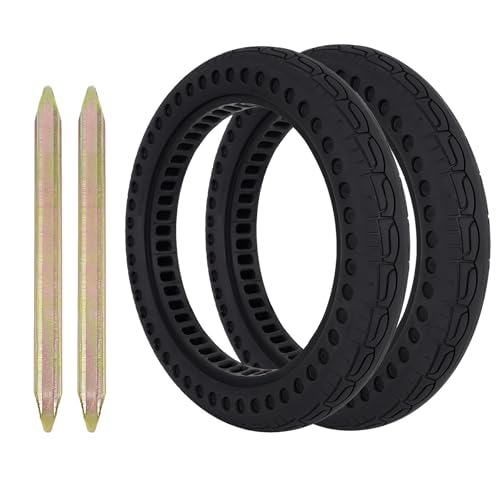
Best for riders prioritizing puncture resistance and minimal maintenance. This tubeless solid tire eliminates air pressure concerns, reducing the chance of flats on daily commutes or long rides. It lacks an inflatable structure, which can reduce comfort on rough roads but increases durability and reliability in urban environments. The 14×2.125 size is suitable for e-bikes and some folding bikes with compatible rims.
Who it’s for: Riders who want a low-maintenance, puncture-proof tire for dependable daily use or high-mileage commuting.
Buying Guide
- Rim compatibility matters. Confirm tire size matches your wheel width and rim type (fat-bike rims vs. standard MTB rims).
- Terrain and climate. Select tread patterns and tire density that suit your common surfaces: pavement, mud, snow, or dry trails.
- Inflation range. Higher PSI supports hard surfaces; lower PSI improves grip on loose surfaces. Check max inflation in the specs.
- Puncture resistance. Tubed vs. tubeless designs affect repairability and maintenance needs.
- Weight and efficiency. Heavier tires can add rolling resistance but may offer better stability off-road.
- Ease of installation. Foldable tires and included levers simplify replacement and setup for DIY customers.
Frequently Asked Questions
- What tire size should I buy for an electric bike conversion? Match the tire size to your rim width and wheel diameter. Refer to the bike’s manual or consult the seller for exact compatibility.
- Are solid tires suitable for all electric bikes? Solid tires work well for commuters and urban riders seeking puncture-proof reliability but can reduce ride comfort on rough roads.
- Do fat tires require a wider rim? Yes, fat tires typically require wider rims to maintain proper bead seating and stability.
- Which tire is best for icy or snowy conditions? Fat tires with wide tread and lower PSI typically offer better flotation and grip on snow, though tire choice also depends on bike geometry and rider skill.
- Can I install these tires myself? Many are designed for DIY installation with basic tools, but some kits may require professional help for complex wheel builds.
- How do I know if a tire is too wide for my bike? Check the manufacturer’s recommended rim width and tire width range, and verify there’s enough clearance at brakes, frame, and fork.