Answering the search query directly: the best electronic logs for trucks today are purpose-built ELD devices that securely capture Hours Of Service (HOS) data, integrate with common vehicle ports, and meet FMCSA requirements. This guide highlights five options that suit different fleets and drivers, from fully compliant ELD units to practical log-book backups. If you drive for a small fleet, look for simple setup and no-subscription pricing. For larger operations, consider devices with robust port support and scalable reporting. The table below summarizes the chosen products for quick comparison.
| Product | Type | Best For | Key Limitation |
|---|---|---|---|
| Garmin eLog | ELD Device | SMB fleets needing FMCSA-compliant, no-subscription ELD | Not compatible with some OBD-II vehicles |
| My20 ELD | ELD Device | Budget-conscious fleets; easy smartphone-based setup | Subscription required (annual) |
| BUCK TAPE ELD Backup Driver Log Books | Paper Log Book (backup) | Backup or non-digital logging for inspections | Not electronic; dependent on manual entry |
| BookFactory DOT Truck Driver Hours Log Book (8.5×11) | Paper Log Book | Long-form records; Made in the USA options | Manual process; not FMCSA electronic solution |
| BookFactory DOT Truck Driver Hours Log Book (6×9) | Paper Log Book | Compact, portable log book for ongoing trips | Manual process; limited space per page |
Garmin eLog, Compliant Electronic Logging Device

The Garmin eLog is designed as a stand-alone ELD solution with FMCSA compliance and no ongoing subscription fees. It supports 9-pin J1939 and 6-pin J1708 diagnostic ports, which makes it a strong fit for fleets with older trucks and specific diagnostic wiring. It is best for small-to-mid size fleets and individual owner-operators who want a one-time purchase without recurring costs. A noted limitation is incompatibility with OBD-II SAE J1979 systems and certain Volvo engine configurations requiring extra cables. Choose this if you prioritize a straightforward purchase and FMCSA compliance without monthly payments.
Why it’s selected: The no-subscription model delivers predictable costs, while the dual-port support (J1939/J1708) broadens compatibility in mixed-vehicle environments. It’s a practical pick for drivers who prefer a device-on-dash setup and need FMCSA-compliant HOS recording. Best for fleets prioritizing reliability over advanced cloud-based features.
Caution: Some Volvo engines with 16-pin J1962 require a separate cable not included in the package, so verify vehicle compatibility before purchase.
My20 ELD (Electronic Logging Device) by Konexial
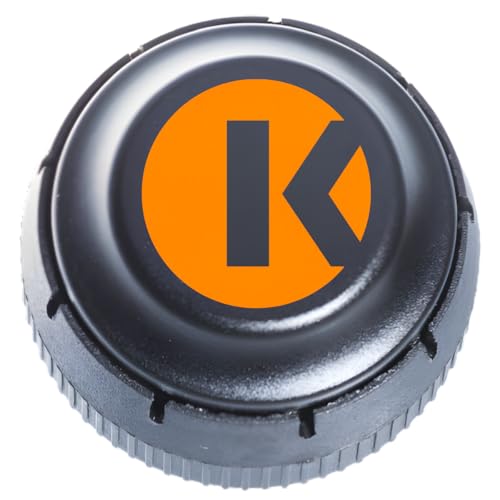
The My20 ELD offers FMCSA-compliant ELD functionality with a simple setup that leverages a driver’s smartphone via the My20 app. It’s best for fleets seeking a low upfront cost and easy installation, especially when drivers already use Apple or Android devices. A notable caveat is that the service requires an ongoing subscription (pre-paid annually) for continued operation, and an adapter may be needed for non-standard ECM ports like OBD-II. Choose this if you want quick deployment with scalable app-based features and can commit to a subscription.
Why it’s selected: It represents a cost-effective entry into electronic logging with broad port compatibility and straightforward installation. It’s better for operators who want a modern, mobile-first experience and are comfortable with ongoing subscription fees for enhanced functionality and cloud reporting.
Caution: An adapter cable may be required for OBD-II or 6-pin ECM ports, and the subscription model should be planned into operating expenses.
ELD Backup Driver Log Books for Truck Drivers

This product offers a comprehensive back-up option with detailed Driver Vehicle Inspection Reports and daily recap pages. It aligns with DOT and FMCSA requirements by providing eight days of blank logs and a clear malfunction reporting flow. It’s best for fleets that want a portable, paper-based alternative for inspections, or for drivers who want a physical record alongside any ELD system. The key limitation is that it is not electronic and relies on manual entry, which can create compliance risks if logs aren’t maintained correctly.
Why it’s selected: It supplements electronic logging with a durable, tested paper log solution. Best when used as a fallback or for drivers who need a tangible backup during outages or for inspections where digital access is restricted.
Caution: Paper logs require disciplined and accurate entry to stay compliant; misentries can lead to inspection delays if not cross-checked against ELD data.
BookFactory DOT Truck Driver Hours Log Book (8.5×11)

This large-format log book is made in the USA and designed to support both 70-hour/8-day and 60-hour/7-day schedules. It uses Wire-O binding and a Trans-Lux cover for durability, making it a practical long-term log companion for drivers who prefer a traditional paper trail. It’s best for drivers who operate without electronic logging or who need a dependable printed backup for audits. A limitation is that it does not provide electronic data capture or automatic HOS calculations.
Why it’s selected: It’s a robust print option with clear layout and long-term durability, suitable for fleets that want a high-quality paper log option as a supplement to electronic logs, especially during transitions or outages.
BookFactory DOT Truck Driver Hours Log Book (6×9)

This compact option from BookFactory provides a portable log book for truck drivers who need to carry logs easily on smaller routes or during short trips. It shares the same Made in USA quality and fleet-friendly design as its larger counterpart, with eight-day capacity and durable binding. It’s best for drivers who value portability and a simple, reliable paper log. The trade-off is the same as other paper logs: manual entry and no electronic data capture.
Buying Guide: Key Purchase Considerations
What should I consider when choosing electronic logs for trucks?
- FMCSA compliance: Ensure the device or method meets Hours of Service (HOS) requirements and supports proper data recording and reporting.
- Vehicle compatibility: Check port availability (J1939, J1708, J1962), and whether adapters are needed for OBD-II or Volvo-specific setups.
- Costs and terms: Decide between a one-time purchase and ongoing subscriptions. Consider total cost of ownership over several years.
- Deployment ease: Look for devices with straightforward installation, app-based options, and simple data export for audits.
- Data access and reporting: Confirm available reports (duty status, past logs, inspections) and whether cloud syncing or offline use is supported.
- Backup options: Consider having a durable paper log as a fail-safe for outages or when electronic systems are temporarily unavailable.
- Durability and form factor: For hard-working trucks, choose rugged hardware or compact, portable paper books that withstand daily use.
FAQ
What is the main difference between an ELD device and a log book?
ELD devices electronically record HOS data and communicate it to regulators, while log books are manual records, either paper or printed, used as a backup or alternative in some scenarios.
Do all ELD devices require a subscription?
Not all do. Some, like certain Garmin models, are one-time purchases, while others, such as Konexial My20, require an ongoing subscription for access to cloud features and reporting.
Will an ELD work with all trucks?
Compatibility depends on vehicle ports (J1939, J1708, 6-pin, 9-pin) and whether adapters are needed for OBD-II. Always check port types before buying.
Can I rely on paper logs as a primary method?
Paper logs are acceptable in some cases but are generally used as backups. They require meticulous entry and are less efficient for audits compared to ELDs.
What should I verify before purchasing an ELD device?
FMCSA compliance, port compatibility, installation ease, cost structure (one-time vs subscription), and whether it provides the necessary reporting and export options.
Are there risks with ELD data security?
ELD data should be securely transmitted and stored. Choose devices with clear data-handling policies and reputable providers to minimize exposure.