Engine block leaks can range from minor cooling system drips to serious head gasket failures. Choosing a proven sealant can save time and money by sealing cracks, head gaskets, and porous blocks without full engine teardown. This guide highlights top engine block crack sealers available on Amazon, comparing how they work, their best-use scenarios, and what to consider before buying. The selections prioritize permanence, compatibility with cooling systems, and ease of use for DIY enthusiasts and professionals alike.
| Product | Brand | Key Use | Approx. Size | Suitable For |
|---|---|---|---|---|
| K-Seal ST3501 Pour and Go Head Gasket Sealer | K-Seal | Permanent head gasket and cracked block seal | 16 oz | Cars, trucks, larger engines |
| BlueDevil Radiator & Block Sealer | BlueDevil Products | Radiator and engine block leaks | 16 oz | All cooling systems |
| Bar’s Leaks OS-1 Oil Seal | Bar’s Leaks | Oil seals and gaskets; stops oil leaks | 16.9 oz | Gasoline and diesel engines |
| Irontite Ceramic Motor Seal | IRONTITE | Ceramic sealing for head gaskets and radiators | Various | Cooling system leaks |
| XADO ATOMEX Oil Additive Stop Leak | XADO | Restore and reseal engine gaskets and seals | 250 ml | High-mileage engines |
Note: The products listed here focus on engine block and head gasket sealing, with options for radiator and oil system leaks. Always follow the product instructions, ensure proper coolant type, and perform a test run after application to confirm sealing success.
K-Seal ST3501 Pour and Go Head Gasket Sealer
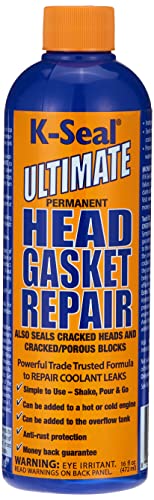
K-Seal ST3501 is designed for permanent repair of blown head gaskets, cracked heads, and porous engine blocks. The formula claims 33% more sealing power than standard K-Seal and targets leaks up to 0.64 mm in size. It’s marketed as one-step, requiring no draining or flushing; you simply shake, pour, and run the engine as normal. For larger engines such as trucks or industrial equipment, two bottles are recommended. This product emphasizes a long-lasting, ceramic-micro-fiber seal that resists temperature and pressure during typical operation.
BlueDevil Radiator & Block Sealer

BlueDevil Radiator & Block Sealer provides a permanent repair for radiator and engine block leaks. The product is described as effective on plastic, aluminum, and metal radiators, and it contains no solids or fibrous materials. It’s designed to stop leaks within the cooling system without clogging, which is useful for vehicles with complex cooling configurations. The emphasis is on a quick fix that won’t compromise coolant flow or radiator performance.
Bar’s Leaks OS-1 Oil Seal

Bar’s Leaks OS-1 Oil Seal is aimed at repairing leaking main seals and gaskets across a range of gasoline and diesel engines, including turbocharged and hybrid setups. It also claims to renew worn valve seals and guides, addressing engines that burn oil or emit blue exhaust smoke. The product is designed for multiple cylinder configurations (3–10) and can be used in passenger cars, trucks, vans, and SUVs as a maintenance or preventive measure, depending on dosage and engine condition.
Irontite Ceramic Motor Seal

Irontite Ceramic Motor Seal forms a durable ceramic coating that permanently seals leaks in head gaskets, radiators, intake gaskets, and other engine components. The ceramic composition provides resistance to high temperatures and is designed to prevent coolant loss and protect against rust and corrosion. It also claims to improve cooling performance, potentially helping reduce overheating under stressful conditions. This option emphasizes long-term protection and compatibility with various cooling system components.
XADO ATOMEX Oil Additive Stop Leak

XADO ATOMEX is an oil additive designed to restore elasticity to rubber gaskets and seals, with a broader claim of stopping engine oil leaks and rejuvenating seals. The product targets a wide range of engines, including cars and motorcycles, and presents itself as a cost-saving option for older engines facing seal degradation or minor leaks. It positions itself as both a preventive and rehabilitative measure, reducing the likelihood of recurrent leaks through sealing and conditioning effects.
Gold Label Combustion Leak Test Fluid

Gold Label Combustion Leak Test Fluid is not a sealer but a diagnostic tool that helps identify head gasket leaks. The 500 ml bottle supports over 100 tests and provides a quick color-change readout to confirm the presence of combustion gases entering the cooling system. It’s useful for mechanic diagnostics and for verifying the need for sealing products before committing to a repair. This product complements sealing solutions by clarifying leak sources.
Buying Guide: Key Purchase Considerations For Engine Block Crack Sealers
- Leak Type And Location: Identify whether the issue is a head gasket, cracked block, radiator, or oil seal. Some products are designed specifically for cooling-system leaks, while others address oil system seals.
- Material Compatibility: Consider your cooling system materials (aluminum, plastic, steel) and oil seals. Ensure the sealer won’t corrode or clog components.
- Permanent vs Temporary: Some sealers claim permanent repairs, while others offer temporary reductions in leak rate. Assess the risk of engine damage if a leak worsens and whether a professional repair is warranted.
- Engine Type and Size: Larger engines or industrial equipment may require higher doses or multiple bottles. Verify dosage guidelines for your engine class and vehicle type.
- Ease Of Use: Look for pour-and-go formulas that require no draining or flushing, and check if the product requires running the engine for a period after application.
- System Maintenance: After sealing, monitor coolant levels, pressure, and temperature. Refill coolant as needed and perform a test drive to confirm seal integrity.
- Diagnostics And Verification: Consider using a leak-test fluid to verify a leak source before and after treatment to ensure the right remedy is chosen.
- Warranty And Compatibility: Review manufacturer guidance on warranty implications for engines under repair with sealants and confirm compatibility with anti-corrosion additives.
When selecting an engine block crack sealer, prioritize products that explicitly target the leak type you’re facing and provide clear instructions for your engine size. A combined approach—using a diagnostic test to locate leaks, selecting a compatible sealer, and conducting a controlled test run—helps avoid misapplication and protects engine longevity.