Direct answer: for carburetor tuning and tailpipe diagnostics, pick a compact, multi-gas exhaust analyzer that offers reliable gas readings, clear engine-diagnostics metrics, and portable design. The top options below are best for hobbyists and mechanics performing on-road tuning, small engines, and shop work. Each choice targets different needs—precision, portability, or specialized CO monitoring—so you can match the tool to your game plan and vehicle types.
Buyer-oriented summary table:
| Product | Brand | Best For |
|---|---|---|
| Bridge Analyzers 5-Gas Exhaust Analyzer | Bridge Analyzers, Inc | Comprehensive tailpipe diagnostics with CO, CO2, HC, O2, NOx |
| Bridge Analyzers Exhaust Gas Analyzer 4-Gas | Bridge Analyzers, Inc | Portable four-gas tuning and fuel-control checks |
| FORENSICS DETECTORS FD Carbon Monoxide Analyzer | FORENSICS DETECTORS FD | High-range CO measurements for small engines and on-site checks |
| DPTOOL Vacuum Gauge Tester Multifunction | DPTOOL | Exhaust back pressure and manifold vacuum as tuning aids |
| KIPA Carburetor Calibration Tuning Kit | kipa | Carburetor jetting, metering rods, and springs for precise tuning |
Bridge Analyzers 5-Gas Exhaust Analyzer
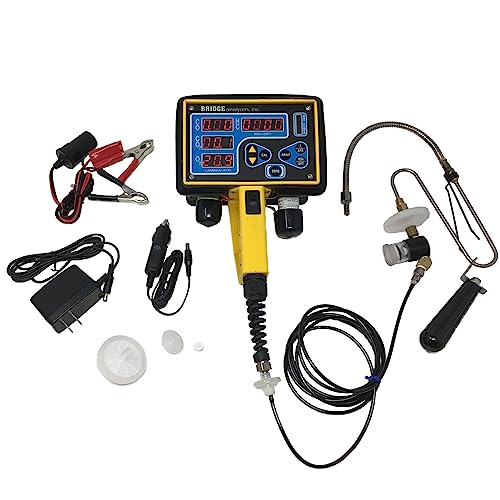
This device measures CO, CO2, HC, O2, and NOx using NDIR and electro-chemical sensors. It is portable and handheld for mobile or shop diagnostics, and it provides enhanced engine diagnostics with calculated Air/Fuel Ratio, Lambda, and Combustion Efficiency. Best for: technicians needing a complete gas-profile for engines with complex exhaust behavior, or for those performing rigorous emissions testing and tuning in a shop setting. Caution: high-gas-count devices can require calibration familiarity; ensure you follow sensor maintenance procedures to keep accuracy.
Bridge Analyzers Exhaust Gas Analyzer, 4-Gas

This 4-gas tool covers CO, CO2, HC, and O2, with NDIR and electro-chemical sensors for tailpipe diagnostics. It includes engine-diagnostics features like Air/Fuel Ratio and Lambda to support precise engine tuning. Best for: simpler tuning tasks or beginners seeking essential gas readings without NOx data. Caution: lacks NOx measurement, which can matter for stricter emissions checks or older engine calibrations.
FORENSICS DETECTORS FD Carbon Monoxide Analyzer

Specialized for carbon monoxide, this device uses a high-range electrochemical sensor with a micro-pump, and includes a water trap and filters to reduce cross-sensitivity. Best for: scenarios where CO measurement precision is critical, such as small engines, motorcycles, or equipment with CO-emitting exhaust. Caution: focus on CO could limit insight if you also need a broad gas profile for tuning the carburetor.
DPTOOL Vacuum Gauge Tester Multifunction

This multifunction gauge measures exhaust back pressure, fuel pump pressure, and manifold vacuum. Best for: carburetor tuning where back-pressure and vacuum readings inform jetting, intake restrictions, and exhaust clearance. Caution: designed more for diagnostic checks than complete gas composition, so pair with a broad-gas analyzer if you need full emissions data.
KIPA Carburetor Calibration Tuning Kit

This tuning kit targets CFM 1400–1411 carburetors and Carter AFB types, including metering rods, springs, and associated hardware. Best for: hands-on carburetor calibration where precise metering components are required to optimize fuel flow and idle quality. Caution: kit is model-specific; verify compatibility with your carburetor before purchase.
Buying Guide
What should I consider when choosing an exhaust gas analyzer for carburetor tuning?
- Gas coverage: Do you need CO, CO2, HC, O2, and NOx, or is a subset sufficient for your tuning goals?
- Portability vs. bench use: Will you work in a shop, or need mobile diagnostics in the field?
- Sensor technology: Prefer devices with both NDIR and electro-chemical sensors for accuracy across gases?
- Additional diagnostics: Are engine-diagnostics metrics like Air/Fuel Ratio and Lambda important for your workflow?
- Carburetor focus: If you tune classic or older engines, ensure compatibility with carburetor-specific tools or kits.
How to mix gas analyzers with carburetor tuning tools?
- Use a multi-gas analyzer to verify exhaust composition while adjusting jetting and fuel delivery.
- Pair with a vacuum gauge to correlate manifold vacuum with mixture strength and idle quality.
- For precise carburetor work, reference a calibration kit for jets and metering rods to reach target air-fuel targets.
What are common limitations to expect?
- NOx measurements may not be included in all models; plan a separate test if NOx data matters.
- Some units optimize for handheld use with simplified interfaces, which may trade off raw data depth.
- Calibration and maintenance are required to keep sensors accurate over time.
Who should buy these tools?
- Professional tuners and emissions technicians needing full gas profiles for complex engines.
- DIY enthusiasts focused on carburetor jetting and idle quality for classic or small engines.
- Shop owners needing portable diagnostics for on-site checks or field service.
FAQ
- What gas readings are most important for carburetor tuning? A: CO, HC, and O2 readings help assess combustion and air-fuel balance.
- Is a 4-gas analyzer enough for tuning? A: For many tuning tasks, yes, but NOx data can be beneficial for emissions-focused checks.
- Can I use a vacuum gauge with a gas analyzer? A: Yes; vacuum readings complement exhaust gas data by indicating intake and manifold conditions.
- Do these devices require calibration? A: Regular calibration is advisable to maintain accuracy, following manufacturer guidelines.
- Are kit-based carburetor tuners model-specific? A: Some kits target specific carburetors; verify compatibility before purchase.
- What is the best approach for beginner tuners? A: Start with a reliable 4-gas analyzer and gradually add a calibration kit for jets and rods.