Answering the question for RV owners, boaters, and seasonal property users: food-grade antifreeze can be a safe, non-toxic option for winterizing plumbing while minimizing odor and handling concerns. This guide highlights five practical choices and explains who each product is best for, plus any limitations. The focus is on reliable, ready-to-use formulas that protect pipes, seals, and components without risking exposure to pets, wildlife, or food-grade environments. The following table summarizes the top picks for quick comparison.
| Product | Best For |
|---|---|
| Splash RV & Marine Antifreeze -50°F Burst Protection | RVs and seasonal setups needing strong burst protection for cold climates |
| Prime Guard -50 RV & Marine Antifreeze | Copper, brass and plastics-safe systems with incidental contact safety |
| RV & Marine Splash 619526 | Plug-and-use readiness for RVs, boats, and spas in cold storage |
| Homestand Market -75°F Premium Formula | Harsh climates requiring maximum protection and ready-to-use convenience |
| ComStar RV & Marine Anti-Freeze | Non-toxic, odor-free protection with strong corrosion inhibitors |
Splash RV & Marine Antifreeze -50°F Burst Protection
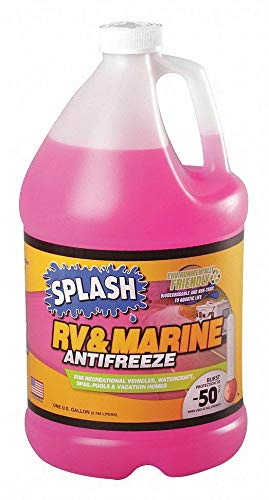
Brand: Splash
Features: Burst protection at -50°F; suitable for multiple systems including RVs, boats, pools, spas, and seasonal plumbing; supports protection of pipes, seals, and system components during winterization.
Best for: RV owners seeking strong burst protection in cold storage and who want a versatile antifreeze that works across different equipment. This product is chosen for its broad compatibility and robust -50°F rating.
Caution or limitation: Designed for winterization; avoid use beyond typical plumbing and marine systems without verifying compatibility with non-standard materials. Ensure proper disposal according to local guidelines.
Prime Guard -50 RV & Marine Antifreeze

Brand: Prime Guard
Features: Meets industry standard for burst protection in copper pipes; safe on copper, brass and all plastics except acetate; safe for incidental contact with people, pets & wildlife.
Best for: Buyers who prioritize compatibility with metal plumbing and broad material safety, including incidental contact safety. This is a solid pick for copper plumbing systems and mixed-material RV installations.
Caution or limitation: Ensure compatibility with any acetate-containing components; verify local guidelines for disposal and environmental impact in sensitive areas.
RV & Marine Splash 619526 RV/Marine Antifreeze
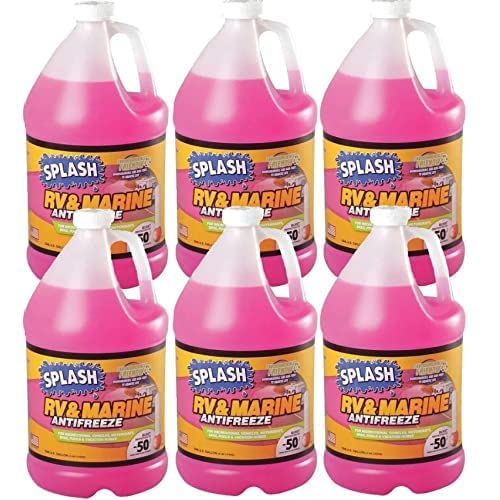
Brand: RV & Marine
Features: Designed for use with recreational vehicles, boats, spas, pools; formulated for -50 degree F burst protection; ready-to-use solution.
Best for: RVs and boats that want a ready-to-use, simple application with explicit -50°F protection and minimal prep work. It suits buyers seeking quick, predictable winterization without mixing.
Caution or limitation: While ready-to-use, confirm compatibility with any non-standard plumbing or accessory installations to avoid material incompatibilities.
ComStar RV & Marine Anti-Freeze

Brand: ComStar
Features: Non-toxic, odor-free formula; protects plumbing and seals; includes a corrosion inhibitor; ready-to-use for RVs, boats, and motorhomes.
Best for: Buyers prioritizing a non-toxic, odor-free option with strong corrosion protection for long-term plumbing health. Suitable for users who require a safe option around kitchens, pets, and children.
Caution or limitation: Odor-free claims may still reflect mild scents; ensure proper ventilation and follow disposal guidelines for used antifreeze.
Buying Guide
What should I look for in food-grade RV antifreeze?
Key factors include burst protection temperature, material compatibility (copper, brass, certain plastics), toxicity/odor profile, and whether the formula is ready-to-use or requires mixing. Food-grade options emphasize low toxicity and safety for environments where incidental contact could occur.
Ready-to-use vs. concentrated formulas
Ready-to-use antifreeze saves time and reduces dilution errors. Concentrated formulas may require dilution but can be more cost-effective per gallon. Choose based on how you plan to apply and the number of systems to winterize.
Best for climate and system types
For extreme cold, select products rated to -50°F or lower. Marine and RV systems often share pipes and fittings; confirm compatibility with copper, brass, and plastic components. If you have multiple systems, a versatile, multi-system antifreeze is advantageous.
Safety and environmental considerations
Non-toxic, odor-free options reduce exposure risk in living spaces. Always follow disposal guidelines and avoid mixing with incompatible chemicals. When pets, children, or wildlife are present, prioritize products with safer handling statements and containment recommendations.
Choosing between brands
Consistency in protection level and material compatibility matters more than brand name. Review the stated temperature protection, system scope, and whether the formula is designed for RVs, boats, or both. Consider availability and packaging size for your planned winterization cycle.
Installation tips
Label and document the winterization process. Use the correct connections, avoid cross-contamination with drinking water systems, and ensure holding tanks and lines are fully treated where specified by the product directions.
FAQ
- Is food-grade antifreeze safe for RV water systems? Yes, food-grade formulations are designed to minimize toxicity and odor, making incidental contact safer in living spaces.
- What temperature protection should I look for? Look for burst protection ratings of -50°F or lower for typical winter RV use; -75°F ratings are for harsher climates.
- Can I use this antifreeze in boats and pools? Many products are labeled for RVs, boats, pools, and spas, but always check the product’s compatibility with your specific systems.
- Is ready-to-use better than concentrated formulas? Ready-to-use is more convenient and less error-prone; concentrated formulas save space and may reduce cost per gallon.
- Are there safety concerns for pets or children? Choose products with non-toxic, odor-free claims and follow storage and handling guidelines to minimize exposure.
- How should I dispose of used antifreeze? Adhere to local regulations; many communities require special collection or recycling for antifreeze products.