Finding the right fuel additive for a classic car means prioritizing corrosion protection, fuel stability, and deposits control without altering original performance. This guide highlights five vetted options that suit vintage engines, boats, lawn equipment, and other classic applications. Each product is evaluated for its best-use scenario, ease of storage, and any practical limitations to consider for long-term fuel health.
Summary table of selected products
| Product | Best For | Key Benefit |
|---|---|---|
| Star Tron Enzyme Fuel Treatment – Small Engine Formula | Older gas in small engines | Cures ethanol issues and cleans deposits |
| Heet Iso-HEET Water Remover | Moisture removal in fuel systems | Prevents rust and improves miscibility |
| Star Tron Stabilizer+ Fuel Storage | Long-term storage for generators, motorcycles, boats | Enzyme-based stability with corrosion protection |
| HappyFuel Premium Fuel Stabilizer | Classic cars stored for seasons | Oxidation slowdown backed by testing |
| Quicksilver Quickare Fuel Treatment | General performance and cleaning | Varnish and gum removal across fuel system |
Star Tron Enzyme Fuel Treatment – Small Engine Formula

Star Tron Enzyme Fuel Treatment uses advanced enzyme technology to help engines start easily and run smoothly after inactivity. This product targets ethanol-related problems by preventing and curing common issues such as rough idling and decreased fuel economy when used as directed. It also helps remove and prevent gum and varnish buildup to enhance overall fuel delivery. Best for older gasoline that may have degraded over time, especially in small engines like lawn mowers, generators, and vintage equipment.
Who it’s best for: owners of classic small engines that see seasonal use or stored fuel. It’s a solid choice when ethanol-related performance dips are suspected. Caution: follow dosing instructions to avoid overuse in engines with different fuel-system configurations.
Heet Iso-HEET Water Remover And Premium Fuel Line Antifreeze
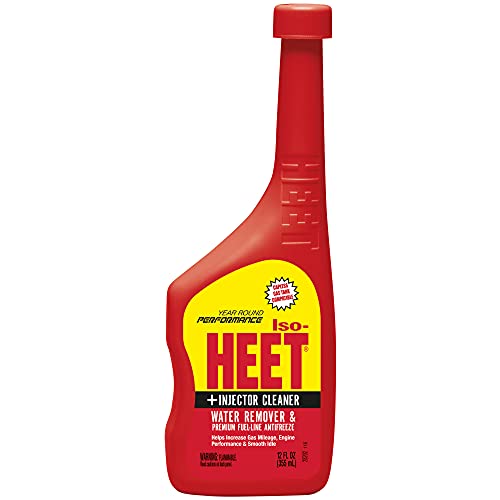
This product is designed to remove water from the fuel system and prevent rust and corrosion. The 12 oz. formulation makes it easy to pour and mix before storage or use. It’s suitable for all 4-cycle engines, including fuel-injected types. It improves year-round performance by reducing moisture-induced issues and ensuring smoother operation when moisture is present in ethanol blends.
Who it’s best for: classic car owners who store vehicles or run engines in humid environments where water separation can be a concern. Caution: does not replace a full storage stabilizer for long-term outdoor storage; use in combination with a stabilizer for best results.
Star Tron Stabilizer+ Fuel Storage & Corrosion Protection

Star Tron Stabilizer+ provides enzyme-based fuel stabilization for up to 40 gallons, with added corrosion inhibitors. It helps keep fuel fresh during storage and reduces gum, varnish, and moisture buildup. The product is easy to use—simply add to fuel before storing and pour directly into the tank. This makes it especially suitable for motorcycles, boats, lawn equipment, and classic cars that sit idle for extended periods.
Who it’s best for: owners who prepare vehicles for off-season storage and want simple, effective protection against fuel degradation. Limitation: stability claims may vary with very long storage durations or extreme temperature changes; consider periodic top-offs if storage exceeds several months.
HappyFuel Premium Fuel Stabilizer

HappyFuel Premium Fuel Stabilizer is designed for long-term storage and oxidation control. The product emphasizes high quality and performance, backed by testing against ASTM D525. It’s positioned for classic cars, boats, lawn equipment, snowmobiles, motorcycles, and marine use, making it a versatile choice for mixed fleets. The stabilization process helps ensure readiness when the vehicle is needed again.
Who it’s best for: classic car owners seeking a robust stabilizer with lab-backed performance. Limitation: as with many stabilizers, storage duration and fuel profile may influence effectiveness; plan storage around recommended intervals and test fuel before startup after long sits.
Diamond Nano-Lube Engine Additive – BestLine Racing

Diamond Nano-Lube by BestLine Racing is an oil additive designed to reduce friction by up to 60% by forming an ultra-low friction film on the Diamond Nano-Coating. It’s marketed for gasoline and diesel engines and claims broad compatibility across cars, trucks, motorcycles, and classic vehicles. The formula is highly concentrated with heat resistance up to 1,800°F, aiming to extend engine life and improve power when used as directed.
Who it’s best for: owners of high-mileage or performance-oriented classic engines seeking friction reduction and potential noise reduction. Caution: as an oil additive, ensure compatibility with your engine’s current oil specification and consult a mechanic if your build is highly specialized or historically accurate.
Quicksilver Quickare Fuel Treatment

Quicksilver Quickare is designed to maximize engine performance across all grades of gasoline and ethanol blends. It targets varnish and gum deposits throughout fuel lines, tanks, carburetors, injectors, and intake valves. It also cleans existing varnish and gum deposits to support smoother starting and idle. Best used in engines that have seen ethanol-containing fuels or aging fuel systems.
Who it’s best for: classic car owners needing a versatile cleaner and performance boost for varied fuel quality. Limitation: like other additives, follow dosing directions; improper use may affect older seals or fuel system components not designed for modern cleaners.
Buying Guide: Choosing The Right Fuel Additive For Your Classic Car
What goals should I prioritize?
For stored or idle classic cars, prioritize stabilization and corrosion protection to prevent fuel degradation and rust. For engines with ethanol-containing fuel exposure, focus on ethanol mitigation and varnish removal to maintain idle quality and power.
What type of engine and storage situation do I have?
Small engines and seasonal equipment benefit from enzyme-based stabilizers that address deposits and ethanol issues. Full-storage needs may benefit from a combination of stabilizer and water-removing products to minimize moisture-related problems.
Can I mix products?
Generally, use products designed for similar purposes (stabilizers with stabilizers, cleaners with cleaners). Mixing multiple stabilizers or cleaners without guidance can yield diminishing returns or unexpected effects. Always follow manufacturer directions for each product.
How do I measure effectiveness?
Track engine start quality, idle smoothness, and fuel economy after a storage cycle or fuel replacement. For engines with prior varnish problems, observe improvements in throttle response and steady idle after treatment cycles.
Are there any compatibility concerns?
Some additives may interact with specific engine materials or old seals. If a vehicle has unique or historically accurate components, consult a professional before introducing new formulations that differ from original fuel-system design.
Practical usage tips
- If storing for long periods, add a stabilizer before filling with gasoline.
- For vehicles that sit unused, use a water-remover product to minimize moisture risk in very humid environments.
- Follow recommended dosing strictly to avoid unintended cleaning effects on long-dormant systems.
FAQ
- Do fuel stabilizers affect performance in a running classic engine? They mainly protect storage stability and reduce deposits; performance gains are typically observed after proper storage cycles or after a clean-up run.
- Is it safe to use ethanol-focused additives in all classic cars? Most older engines tolerate ethanol additives, but check the vehicle’s fuel system compatibility and any seals or materials that might be sensitive to cleaners.
- How often should I treat fuel in a stored classic car? For seasonal storage, treat before storage and consider periodic top-offs or re-treatment if stored beyond several months.
- Can I rely on a single product for both storage and operation? A stabilizer plus an enzyme-based cleaner is often recommended for mixed-use fleets, but always align with the specific engine and storage needs.
- Will fuel additives fix all issues from aging fuel lines? They help reduce symptoms and improve performance, but significant wear or degraded components may still require mechanical inspection or replacement.
- Should I test fuel quality after treatment? Yes; ensure the fuel is stable and free of moisture before starting a stored engine after a long period.