Fuel additives for turbo engines can help reduce carbon buildup, improve lubrication, and stabilize fuel in ethanol blends. This guide highlights options that are well-suited for high-performance, turbocharged gas or diesel engines and for owners seeking smoother starts, better throttle response, and improved fuel economy. The top picks below are chosen for relevance to turbo systems, compatibility with modern fuels, and clear benefits across fuel system components. The buyer-friendly table summarizes each product’s primary focus and best-use scenario.
| Product | Best For | Main Benefit |
|---|---|---|
| STA-BIL Fast Fix Small Engine Treatment | Small engines and lawn equipment | Carb cleaner and water remover to restore rough-running engines |
| Archoil AR6500 Diesel Treatment (40 oz) | Diesel engines and HPCR systems | Lubricity improvement and injector protection |
| Hot Shot’s Secret Everyday Diesel Treatment EDT | Diesel engines and daily driving | Cetane boost, injector cleaning, and fuel system protection |
| Molecure Pea Complete Fuel System Cleaner | Gasoline engines with GDI or turbo systems | High-strength PEA cleaner for intake valves, injectors, and combustion chamber |
| Star Tron Enzyme Fuel Treatment (Small Engine) | Older or ethanol-affected engines | Enzyme-based stabilization and ethanol problem mitigation |
STA-BIL Fast Fix Small Engine Treatment

Designed for small engines, this STA-BIL formula tackles rough running and hard starts by breaking down gum and varnish in the carburetor and fuel system. It cleans carburetors and fuel injectors without disassembly, and it helps remove water and fight ethanol-related issues. Best for lawn mowers, tillers, chainsaws, and similar equipment where quick restoration of idle and start-up is a priority. Choose this when the engine is a small-gasoline unit prone to varnish buildup and water separation from ethanol fuels.
Best for: small engines that frequently sit unused or operate in environments with ethanol-blended fuels. Limitation: may not address heavy turbocharged gas-dilution needs as effectively as products formulated for higher-stress systems.
Archoil AR6500 Diesel Treatment (40 oz)

Archoil AR6500 is a diesel fuel additive designed for all diesel engines, including modern HPCR systems. It includes a lubricity boost to protect fuel-system components and injectors, with a long-neck bottle for easy dosing at fill-up. Best for: diesel-powered turbo engines and equipment that operate under heavy duty or high-load conditions. Limitation: results can vary based on fuel quality and existing deposits.
Archoil AR6500 Diesel Treatment (40 oz) Two Pack
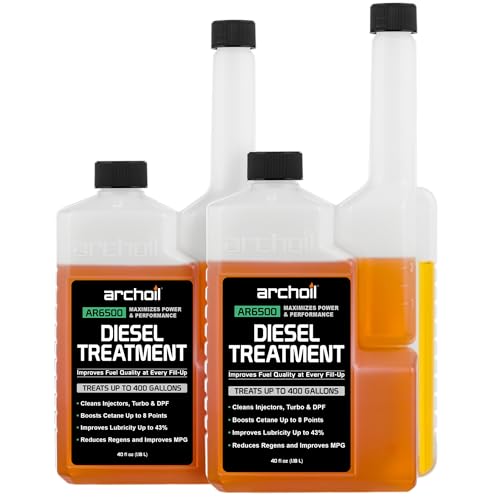
This two-pack option doubles the treatment capacity and is ideal for fleets or owners who want ongoing protection across multiple fill-ups. It preserves lubricity in diesel fuel up to 800 gallons total (two 40 oz bottles). Best for: diesel turbo engines that demand consistent lubricity and deposit control across frequent fueling. Caution: two-pack value requires planning for regular use to maximize benefits.
Hot Shot’s Secret Everyday Diesel Treatment EDT

EDT is designed for everyday diesel maintenance and performance enhancement. It includes a cetane boost, injector cleaning, and lubrication benefits to protect critical components like pumps and injectors. Best for: daily-driven diesel turbo engines that see regular highway use and need reliable cetane improvement. Limitation: primarily targeted at diesel engines; petrol or gas-turbo systems may see limited direct benefits.
Molecure Pea Complete Fuel System Cleaner

Featuring a high-strength polyether-amine (PEA) formula, Molecure Pea targets hard carbon deposits in direct-injection (GDI) systems, including intake valves, injectors, and combustion chambers. It aims to restore throttle response, reduce hesitation, and improve overall engine efficiency. Best for: turbocharged or high-performance gas engines with GDI or turbocharging where carbon buildup is a known concern. Limitation: PEA-based formulas can be more aggressive; follow dosing guidelines for each tank.
Star Tron Enzyme Fuel Treatment – Small Engine Formula

Star Tron uses enzyme technology to stabilize and rejuvenate fuel, helping engines start easily after periods of inactivity. It addresses ethanol-related problems and helps prevent gum and varnish buildup. Best for: older or ethanol-affected engines and systems that benefit from ethanol mitigation. Limitation: enzyme products may require consistent use to maintain benefits in some turbo setups.
Buying Guide
- Engine type considerations: Gasoline turbo engines often respond to detergents that target intake valves and injectors, while diesel turbo engines benefit more from lubricity and cetane-boosting formulas. Choose products aligned with your engine type.
- Fuels and ethanol: If your area uses high-ethanol blends, ethanol-focused additives can mitigate water absorption and varnish. Enzyme-based products can further help clean existing deposits over time.
- Maintenance vs. immediate fix: If you are addressing rough idle now, a cleaner designed for immediate cleaning (carb cleaners or injector cleaners) may be preferred. For ongoing protection, lubricity and cetane/ lubrication boosters offer longer-term benefits.
- Dosage and application: Some products are single-dose per fill-up, others come in multi-pack options. For fleets or frequent fueling, consider pack options to ensure consistent treatment.
- Compatibility: Verify compatibility with your engine’s fuel system (gasoline vs. diesel, HPCR systems, and direct injection). Follow manufacturer dosing to avoid over-treating.
FAQ
- What fuel additive helps turbo engines start easier?
– Enzyme-based treatments like Star Tron or injector-cleaning formulations can help improvements in starts by maintaining cleaner fuel delivery paths and preventing ethanol-related issues. - Do diesel additives help turbocharged diesel engines?
– Yes. Lubricity boosters and cetane enhancers support high-stress diesel turbo systems and protect fuel-system components from wear. - Is it safe to use fuel system cleaners with direct-injection engines?
– Many cleaners are formulated for GDI and turbo engines, but follow product labels and dosing to avoid potential impacts on seals or sensors. - When should I use a fuel stabilizer?
– Use a stabilizer if the engine will sit unused for months or if fuel quality fluctuates to prevent varnish buildup and ethanol-related problems. - Can I mix multiple fuel additives?
– Avoid combining products without confirming compatibility. Start with a single well-suited product to address the primary issue and observe results. - How often should I treat a diesel turbo engine?
– Routine treatment at regular fill-ups is common for diesel engines to maintain lubricity and cleaner injectors, especially in older or high-mileage systems.