Direct answer: For overall engine cleanliness, fuel economy, and system protection, use a high-quality fuel system cleaner designed for gasoline engines. The top picks below are selected for different buyer needs, such as restoring performance, protecting older engines, or stabilizing ethanol blends. The table summarizes the five standout options and what they’re best for.
| Product | Best For | Key Benefit |
|---|---|---|
| Red Line 60103 SI-1 Complete Fuel System Cleaner | Performance-minded drivers | Deep cleaning of injectors, carburetors, and combustion chamber deposits |
| Chevron Techron Concentrate Plus Fuel System Cleaner | All-around fuel system refresh | Cleans and protects entire fuel system; restores power and efficiency |
| Gumout 510013W-6PK Fuel System Cleaner | High-mileage engines | Removes carbon deposits in engines with 75k+ miles |
| STP Complete Fuel System Cleaner | Budget-friendly cleaning | High cleaning power with detergents for deposit removal |
| Lucas Oil 10003 Fuel Treatment | Versatile use for gasoline and diesel | Lubricates and cleans fuel system, with mpg benefits |
Red Line 60103 SI-1 Complete Fuel System Cleaner

Brand: Red Line
Features: Designed to exceed expectations; cleans and prevents corrosion in fuel systems; powerful blend of high-temp and low-temp detergents; enhances gasoline stability and reduces gum and varnish formation
Best for: Performance enthusiasts and owners of older or problem-prone engines needing comprehensive deposits removal and corrosion prevention.
Caution: Use as directed; avoid overuse in engines that are not experiencing deposits, which may affect fuel system balance in some vehicles.
Chevron Techron Concentrate Plus Fuel System Cleaner
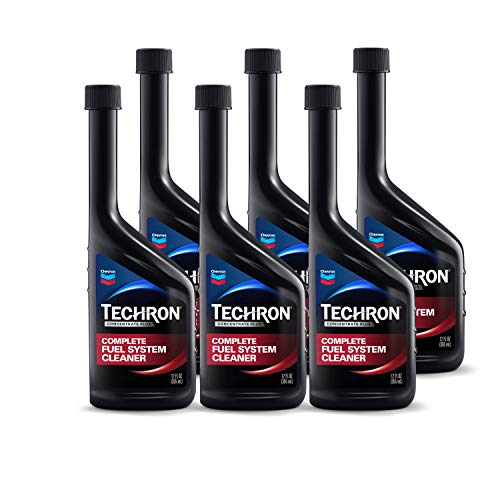
Brand: Chevron
Features: Cleans, restores, and protects the entire fuel system (injectors, carburetors, intake valves, combustion chambers); follows manufacturer recommendations for best results; helps restore lost power and fuel economy
Best for: General use across most gasoline engines; ideal for owners seeking a trusted brand with a broad cleaning reach.
Caution: Do not exceed recommended dosage; consult vehicle manual for application frequency to maintain system integrity.
Gumout 510013W-6PK Fuel System Cleaner
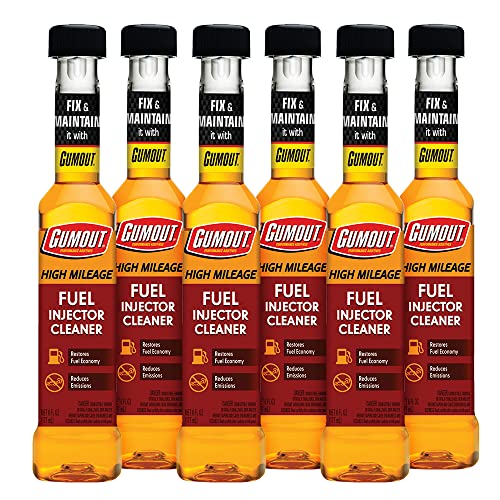
Brand: Gumout
Features: Formulated to remove carbon deposits from engines with over 75,000 miles; cleans fuel injectors, intake valves, and ports; helps prevent future carbon build-up and reduce emissions
Best for: High-mileage vehicles needing a deep clean and ongoing carbon control; good value with multiple bottles per purchase.
Caution: High cleaning concentration means follow dosing instructions; may cause temporary rough idle if deposits are loosened rapidly.
STP Complete Fuel System Cleaner

Brand: STP
Features: 5.25 oz bottle with double the cleaning agents vs leading premium gasoline; uses PEA and PIBA detergents to remove deposits and improve fuel efficiency
Best for: Budget-conscious buyers seeking a straightforward, effective cleaner for routine maintenance and deposit removal.
Caution: Avoid use in engines not designed for detergents or in cases of severe fuel system damage; verify compatibility with your vehicle’s fuel system.
Lucas Oil 10003 Fuel Treatment

Brand: Lucas Oil
Features: Fuel treatment for gasoline and diesel; cleans and lubricates the fuel system including injectors, carburetors, and combustion chamber; noted for mpg benefits
Best for: Users seeking a versatile treatment that lubricates as it cleans, suitable for mixed fuel types and varied driving needs.
Caution: May interact with some seals in older engines; follow label directions to avoid over-treatment.
Buying Guide
What to consider when choosing a fuel system cleaner
Engine type and mileage: High-mileage engines benefit from cleaners targeted at carbon deposits, while newer engines may respond better to balanced detergents that protect fuel pathways.
Scope of cleaning: If you suspect deposits across injectors, valves, and combustion chambers, pick a product with a broad cleaning profile and proven detergents.
Fuel type compatibility: Most cleaners work with gasoline; verify compatibility with ethanol blends if your fuel contains ethanol or blends above 10%.
Dosage and usage frequency: Follow manufacturer dosing; some products are designed for one-time use, while others support periodic maintenance.
Brand and stability: Trusted brands with clear instructions help ensure consistent results and safer use across vehicle types.
Practical buying tips
- Choose a product with detergents listed for injectors, intake valves, and combustion chambers for comprehensive cleaning.
- Consider a multi-pack or larger bottle for high-mileage fleets or vehicles with known carbon buildup.
- For ethanol-stable performance, look for formulas that stabilize ethanol blends and prevent varnish formation.
FAQ
- Do fuel system cleaners work on modern direct-injection engines?
Yes, many formulas target deposits across multiple fuel pathways, including injectors and valves, though you should follow vehicle manufacturer guidance for direct-injection systems. - How often should I use a fuel system cleaner?
Most recommendations suggest periodic use every few thousand miles or as part of a seasonal maintenance routine, depending on driving conditions. - Can fuel cleaners improve mpg immediately?
Some drivers report immediate improvements in throttle response and efficiency, while others observe gradual gains after several tanks of fuel. - Are there any risks with overuse?
Excessive dosing can potentially affect sensors or seals in some older engines; always adhere to label directions. - Which cleaner is best for high-mileage vehicles?
Gumout and STP products commonly target older or higher-mileage engines, focusing on carbon buildup and deposit removal.