The best fuel pump for a transfer tank is determined by flow rate, durability, and safety features. This guide highlights five 12V transfer pumps that balance speed with reliability for gasoline, diesel, and kerosene. Each product is suitable for different needs—industrial work sites, fleet refueling, or DIY trailer setups. Read on to compare core specs and decide which pump fits your application and environment.
Summary of chosen products:
| Product | Flow Rate | Best For | |
|---|---|---|---|
| Ensurix 12V 15 GPM | 15 GPM | Industrial use, medium jobs | Complete kit with auto nozzle and accessories |
| VEVOR 12V 10 GPM | 10 GPM | Precise fueling, smaller tanks | Auto shut-off nozzle, filtration |
| Fill-Rite FR1210H 15 GPM | 15 GPM | Rugged environments, mounting versatility | Durable cast iron, 180-degree junction box option |
| VEVOR 12V 15 GPM | 15 GPM | Heavy use with long hoses | All-metal build, thermal protection |
| Ensurix 12V 20 GPM | 20 GPM | Rapid field refueling | Explosion-proof, IP55, auto shut-off |
Ensurix 12V Fuel Transfer Pump 15 GPM
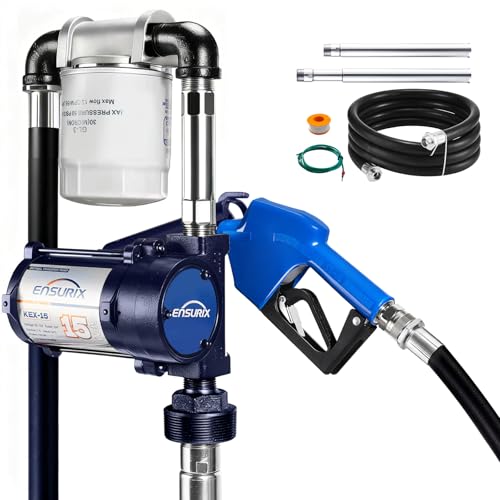
This 12V transfer pump delivers up to 15 GPM with a 2″ NPT mount and a full kit that includes suction piping, hoses, filter, and an auto nozzle. Best for mid-size fueling tasks in garages or job sites. The copper motor provides stable operation with overheat protection during longer pours. It is suitable for gasoline, diesel, kerosene, and similar fuels. Best for operators who want a ready-to-use kit without sourcing extra components.
Who it’s best for: contractors and fleet operators needing a reliable all-in-one pumping solution. Why selected: strong flow, complete accessory set, and explosion-safe design.
Caution: ensure proper ventilation and follow local fuel-handling guidelines when using in confined spaces.
VEVOR Fuel Transfer Pump, 12V DC 10 GPM

VEVOR’s 12V pump moves up to 10 GPM and includes an auto shut-off nozzle for spill prevention. The unit is designed with filtration to keep contaminants out of the transfer stream, which helps protect engines from debris. It features a robust motor and IP-rated housing suitable for varied weather. Best for precise transfers and smaller tanks where control matters more than sheer speed.
Who it’s best for: hobbyists, small workshops, and light-duty field work. Why selected: compact, controlled fueling with reliable filtration and shut-off.
Caution: consider whether 10 GPM meets your throughput needs for larger jobs or fleets.
Fill-Rite FR1210H 12V 15 GPM
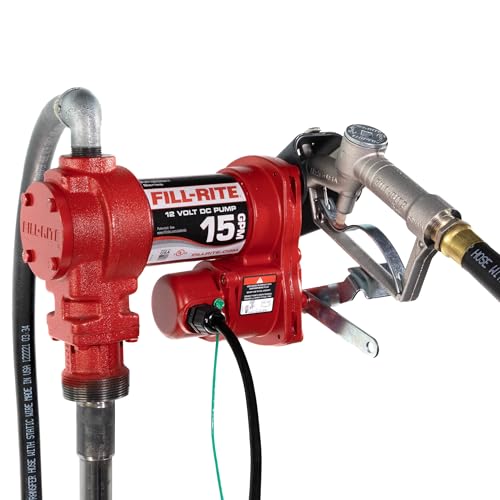
This 12V pump is built with cast iron construction for durability in rough environments. It provides a 15 GPM flow with an easy installation approach, including a removable junction box for wiring in tight spaces. It also features thermal overload protection to guard against overheating. Best for harsh sites where longevity matters.
Who it’s best for: industrial operators and mobile service teams requiring rugged, maintenance-friendly equipment. Why selected: proven cast-iron build, straightforward installation, and protection features.
Caution: high-surge environments may require appropriate electrical protection and mounting stability.
VEVOR 12V 15 GPM Fuel Transfer Pump

This 15 GPM diesel transfer pump uses a durable cast iron body with thermal overload protection and an explosion-proof motor. The aluminum nozzle is corrosion-resistant, designed for precise control, and paired with a 13 ft discharge hose for large-area fueling. Best for demanding environments where speed is essential but fuel control remains important.
Who it’s best for: fleet operators and field crews needing fast transfers with solid protection. Why selected: high flow, rugged construction, and long hose reach.
Caution: ensure compatibility with fuels beyond standard gasoline/diesel if used in mixed fleets.
Ensurix 12V 20 GPM Transfer Pump Kit

Ensurix’s 20 GPM model prioritizes rapid field refueling. It features explosion-proof operation, IP55 waterproofing, and a copper motor that can run 30+ minutes continuously in harsh temperatures. The kit includes an auto-shutoff nozzle and a 2″ NPT bung mount for quick tank installation. Best for high-demand job sites where downtime must be minimized.
Who it’s best for: large equipment fleets and farm/industrial settings needing fast turnaround. Why selected: top flow rate, strong weather resistance, and spill-prevention tech.
Caution: higher flow rates can increase spill risk if not matched with proper tank fill limits and nozzle control.
Buying Guide: Key Considerations for 12V Fuel Transfer Pumps
What flow rate do you need? Flow rates from 10 to 20 GPM cover most trailer, boat, tractor, and fleet applications. Higher GPM means faster transfers but requires appropriate tank venting and hose reach.
Is it multi-fuel capable? Look for pumps rated for gasoline, diesel, kerosene, and compatible blends. Explosion-proof motors and spark-free designs reduce ignition risks in volatile environments.
What about durability and weather resistance? Cast iron or aluminum bodies with IP ratings and thermal protection extend life in outdoor or dirty sites. Ensure components like nozzles and hoses resist corrosion.
Do you need a complete kit? Kits with hoses, filters, and auto nozzles save setup time and reduce compatibility gaps. Auto shut-off helps prevent overfilling and spills.
What mounting and installation ease you require? Mounting adapters (such as 2″ NPT bung) and rotating junction boxes can simplify wiring in tight spots or on mobile units.
FAQ
- What is the safest flow rate for a transfer tank? A rate between 10 and 15 GPM is commonly safe and efficient for most transfer tanks, balancing speed with control.
- Do these pumps work with biodiesel blends? Many are designed for gasoline, diesel, and common blends, but verify fuel compatibility for each model and your blend levels.
- Is an auto shut-off nozzle essential? It helps prevent spills by automatically stopping when the tank is full, which is highly recommended for any transfer setup.
- Can I install these pumps on any tank? Most use a 2″ NPT bung mount; ensure your tank has or can accommodate this fitting and proper clearance for hoses and cables.
- What maintenance is required? Regularly check filters, hoses, and seals for wear; clean filters to maintain flow and prevent clogs.
- Are these pumps suitable for cold climates? Look for models with IP ratings and copper motors rated for wide temperatures to ensure reliability in cold conditions.