Finding the right fuel treatment for water in gas helps prevent rust, improve mileage, and keep engines running smoothly. The top picks below are suited for different vehicle types and usage scenarios, from everyday cars to marine vessels. This guide highlights what each product does, who should use it, and any limitations to consider.
| Product | Best For | Why It Stands Out |
|---|---|---|
| HEET Water Remover & Gas Line Antifreeze | Everyday cars with regular gasoline engines | Fast water removal and corrosion protection for fuel lines |
| Lucas Oil 10003 Fuel Treatment | General maintenance for gasoline and diesel engines | Comprehensive cleansing and lubrication for the entire fuel system |
| STAR BRITE Star Tron Enzyme Fuel Treatment | Vehicles and marine engines with ethanol exposure | Enzyme-based cleaning and ethanol issue prevention |
| Heet Iso-HEET Water Remover & Premium Fuel Line Antifreeze | Seasonal climate changes and moisture control | Water removal plus anti-corrosion protection |
| STP Water Remover | All-season cars and light trucks | Water removal and anti-corrosion in a compact bottle |
HEET Water Remover & Gas Line Antifreeze
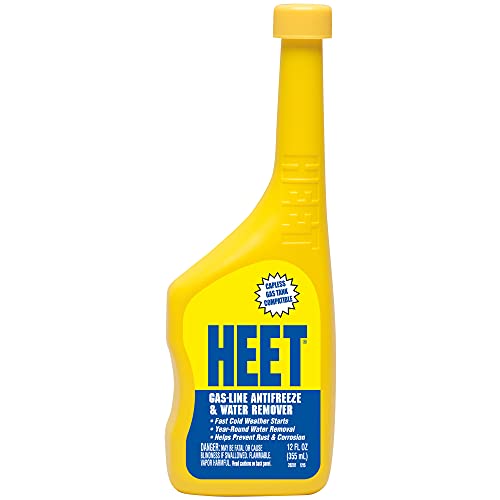
Best for: drivers who want quick moisture control in gasoline systems and corrosion protection. HEET absorbs excess moisture to dry the fuel system, reducing rust and corrosion risks for smoother operation and longer engine life. It is formulated for all 4-cycle engines, including fuel-injected models.
Why selected: The product targets water in the fuel system directly, providing a simple one-step solution for moisture-related issues and corrosion prevention.
Limitation: It does not replace routine fuel system cleaning for severe deposits or gum buildup; use as part of a regular maintenance plan.
Heet Iso-HEET Water Remover And Premium Fuel Line Antifreeze
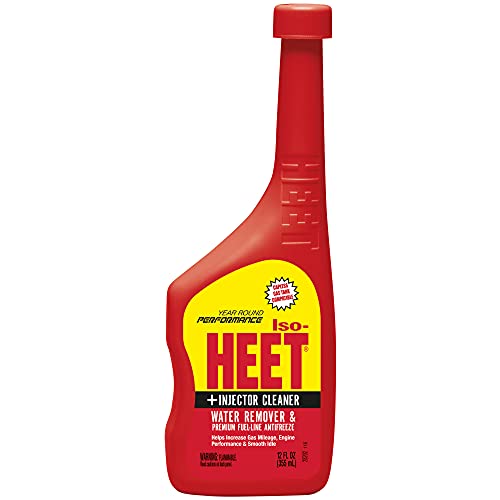
Best for: seasonal moisture management and anti-rust protection across year-round use. This 12 oz bottle removes water from the fuel system and helps prevent rust and corrosion, supporting better engine performance.
Why selected: Combines water removal with fuel line antifreeze, offering dual benefits for engines facing temperature swings or long idle periods.
Limitation: As with other water-removal products, it’s not a substitute for addressing deeper fuel-system deposits or failing components; use as part of ongoing maintenance.
STP Water Remover For Cars & Trucks

Best for: drivers seeking an all-season cleaner that inhibits corrosion while preventing fuel-line freezing. STP’s formula helps remove water and reduces moisture-related issues in fuel lines.
Why selected: Focuses on corrosion protection and water prevention, aligning with common winter-to-summer transitions and storage scenarios.
Limitation: Primarily targets water and corrosion; may be less effective for heavy varnish or gum deposits without a dedicated cleaner.
Gumout 510011 Multi-System Tune-Up

Best for: engines needing a comprehensive fuel-system clean, including injectors and carburetors. Gumout cleans and conditions fuel systems, fights ethanol-related issues, and helps maintain fuel economy.
Why selected: It’s a robust, full-system cleaner that addresses deposits and water-related concerns while supporting ongoing performance and emissions control.
Limitation: May require follow-up treatments for vehicles with severe buildup or advanced fuel-system problems.
STA-BIL 360 Marine Fuel System Treatment
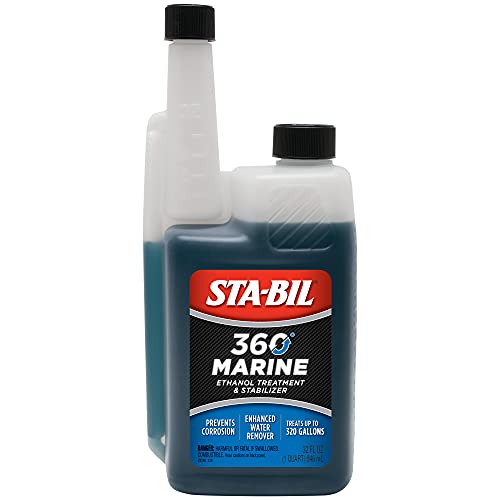
Best for: marine engines and in-season cleaning where ethanol-related issues and moisture need careful management. The formula cleans the entire fuel system, protects against rust, and improves overall performance.
Why selected: Designed to handle marine environments and ethanol exposure, offering corrosion protection and smoother operation in demanding conditions.
Limitation: Marine use may require additional adjustments for non-seawater fuel environments; follow specific guidance for air- and watercraft usage as appropriate.
Gasoila Water Finding Paste

Best for: quick water detection in storage tanks, gas cans, and non-ethanol fuels. The paste changes color upon contact with water, offering rapid indication of contamination.
Why selected: A simple, mess-free way to verify fuel quality before use, reducing the risk of moisture-related engine damage.
Limitation: Not a treatment by itself; used mainly for detection and preliminary quality checks rather than continuous protection.
Buying Guide
What should you consider when choosing a fuel-water treatment?
- Purpose: Do you need water removal, corrosion protection, or a full-system clean?
- Engine type: Gasoline, diesel, carbureted, or fuel-injected engines can respond differently to treatments.
- Usage pattern: Seasonal storage, marine use, or frequent ethanol exposure may steer you toward enzyme-based or ethanol-friendly formulas.
- Application scope: Some products treat the entire fuel system; others target only water removal or line protection.
- Safety and compatibility: Check compatibility with your fuel type and components, especially if you have a high-performance or modern fuel system.
Practical tips for using fuel-water treatments
- Follow the product’s usage instructions for dosage and timing.
- Use water detection products like paste before applying treatments in storage or transfer scenarios.
- Combine water-removal products with a stable fuel system cleaner for best results, especially in vehicles with higher mileage.
FAQ
- What are signs that my fuel contains water? – Rough idling, misfires, engine stumbling, or reduced performance can indicate water contamination.
- Can I use these products in diesel engines? – Some formulations support both gasoline and diesel, but verify compatibility on the product label.
- How often should I add fuel system cleaners? – Follow manufacturer recommendations; many systems benefit from periodic treatment in regular maintenance cycles.
- Will water finding paste harm my engine? – It is designed for detection in fuel storage and should not be used in the fuel system itself; use as directed for contamination checks.
- Are enzyme-based treatments better for ethanol issues? – Enzyme-based formulas help break down varnish and deposits and can improve performance when ethanol is present.
- Should I replace fuel filters after using a cleaner? – In some cases, cleaning can reveal debris; inspect and replace filters as needed.