Introduction
Answer: The best gas additives for small engines are formulated to clean carburetors, stabilize fuel, and remove water, helping engines start quickly and run smoothly. This guide focuses on products ideal for lawn mowers, string trimmers, small generators, and other compact engines. The top picks are best for users who want to improve starting reliability, reduce rough idle, and protect fuel systems from ethanol-related issues. The following table highlights five products chosen for their relevance, clear purposes, and practical benefits.
| Product | Brand | Best For | Notes |
|---|---|---|---|
| STA-BIL Fast Fix Small Engine Treatment, 8 oz | STA-BIL | Rough-running, hard-starting small engines | Carb cleaner plus water removal |
| Star Tron Enzyme Fuel Treatment – Small Engine Formula | STAR BRITE | Storage and ethanol-related issues | Enzyme-based fuel rejuvenation |
| STA-BIL Small Engine Pro Multi-System Additive | STA-BIL | Lubrication, cleaning, and overall power | Lubricates valves and pistons |
| Lucas Oil 10003 Fuel Treatment | Lucas Oil | Fuel system cleaning and power restoration | Versatile for gasoline and diesel |
| Sea Foam Motor Treatment | Sea Foam | Fuel system cleaning and oil cleaning | Works across gasoline and diesel |
Buyer profiles: a) lawn-care pros needing quick startup fixes; b) homeowners maintaining small engines seasonally; c) DIYers seeking long-term fuel-system health. The selections emphasize clear, testable benefits, straightforward usage, and explicit limitations when applicable.
STA-BIL Fast Fix Small Engine Treatment, 8 oz – Treats 20 Gallons

Best for: small engines that start hard or run rough. This formula targets gum and varnish buildup that cause rough running, hard starts, sputtering, and no-start issues in lawn mowers and other small engines. It cleans carburetors and the fuel system without disassembly, working through the fuel path to clean internal components. It also removes water and counters ethanol-related problems, including effects from E15.
Why selected: It provides a quick fix to restore performance by cleaning essential fuel-system parts and mitigating water-related issues. The product is designed for immediate impact in engines that exhibit rough idle or slow cranking.
Best for: home lawn equipment users who want a practical, budget-friendly additive that tackles multiple stressors in one treatment. Limitation: results depend on the level of existing varnish or gum buildup; severe deposits may require multiple applications or a professional cleaning.
Star Tron Enzyme Fuel Treatment – Small Engine Formula

Best for: engines that sit unused for months or suffer ethanol-related performance drops. Star Tron uses enzyme technology to promote easier starts and smoother running, especially after long idle periods. It also addresses ethanol-related issues that can reduce fuel economy and power.
Why selected: The enzyme approach helps prevent deposit buildup and supports clean operation over time, which is valuable for seasonal equipment. It’s particularly suitable for owners who commonly store equipment for months and want to preserve fuel integrity.
Caution: Follow directions to avoid overuse; improper dosing can lead to unexpected engine behavior in some rare cases. This product is better for preventing ethanol issues and maintaining fuel system cleanliness rather than providing instant power restoration for severely clogged systems.
STA-BIL Small Engine Pro Multi-System Additive
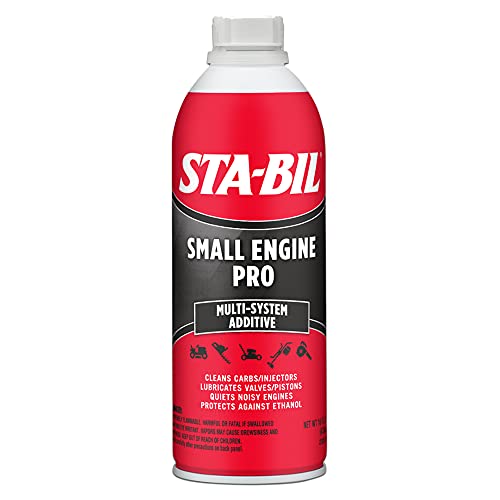
Best for: engines needing both cleaning and lubrication across multiple components. This additive not only cleans carburetors and injectors but also lubricates valves and pistons, helping improve efficiency and quiet operation. It’s positioned as a multi-system solution for ongoing small-engine care.
Why selected: The lubrication aspect helps prevent wear in moving parts, which is a key factor in prolonging engine life, especially in engines that operate under high loads or frequent startup/shutdown cycles.
Limitation: Data notes are generic; users should monitor oil consistency and follow dosing guidance. Overuse could potentially alter oil viscosity or fuel-oil balance when used with engines using separate lubrication regimens.
Lucas Oil 10003 Fuel Treatment – 1 Quart

Best for: engines needing a comprehensive fuel system tune-up that cleans and lubricates both fuel delivery and combustion pathways. Lucas claims cleaning and lubricating of fuel injectors, carburetors, and the combustion chamber, with potential MPG improvements.
Why selected: It’s a versatile option that supports power and efficiency across both gasoline engines and other common small-engine configurations. This makes it a strong all-around choice for mixed-use equipment in a typical American garage.
Caution: Reducing harsh claims to measurable outcomes means usage should align with manufacturer directions. For engines with unique fuel systems, verify compatibility before use.
Sea Foam Motor Treatment | Fuel System Cleaner, Fuel Stabilizer & Oil Treatment

Best for: both gasoline and diesel engines needing a broad-spectrum cleaner for fuel and oil lines. Sea Foam cleans injectors, carburetors, and cylinder areas while also serving as a fuel stabilizer and oil treatment. It’s a broad solution for mixed-fleet maintenance.
Why selected: Its multi-faceted approach—fuel system cleaning plus oil system benefits—offers a practical one-product solution for engines that see varied use and fuels, helping maintain overall engine health and smoother operation.
Limitation: Sea Foam’s broad scope means it’s not a single-purpose fix; for engines with acute starting issues, pairing with a more targeted cleaner may yield faster improvements.
Buying Guide
What should I consider when choosing a gas additive for small engines?
Purpose: Determine whether you need cleaning, stabilization, lubrication, or a combination. For frequent starts and seasonal storage, stabilization and ethanol mitigation matter most. For rough running, cleaners that address varnish and gum are key.
Is there a best option for ethanol-related issues?
Enzyme-based or ethanol-focused formulas can help prevent and cure ethanol-related problems. Star Tron and similar products are designed to reduce ethanol-related performance drops after storage or in modern fuel blends.
How important is lubrication in a fuel additive?
Lubrication helps protect valves, pistons, and injectors, especially in engines with extended idle times or high-temperature operation. Additives that include lubricants can extend internal component life but should be used as directed to avoid unwanted residue buildup.
How should I apply these products for best results?
Follow label directions for dosage and frequency. Start with the recommended amount for the engine size and fuel volume, and avoid mixing multiple cleaners unless the labels permit it. For stubborn deposits, consider a second treatment after an appropriate interval.
What are common limitations to expect?
Limitations often include the degree of existing varnish buildup, the specific engine design, and fuel type. Some engines may require repeated treatments or professional cleaning for severe deposits. Always verify compatibility with your engine’s manual.
FAQ
Can I use these additives in my diesel engine?
Some products are formulated for gasoline engines and small gasoline-powered equipment. Check each product’s intended use to confirm diesel compatibility before applying a diesel engine.
Will these additives improve my MPG right away?
Improvements in MPG can occur, particularly when deposits are reduced and fuel delivery is cleaned. However, results vary by engine condition, fuel quality, and usage patterns.
Are there any engine-start issues I should expect after adding an additive?
Most products are designed to support easier starts, but very old or heavily degraded engines may respond slowly. Follow dosing guidelines and avoid abrupt changes in fuel systems without considering other maintenance needs.
Should I store my equipment with an additive in the tank?
Stabilizers protect fuel during storage, reducing varnish buildup over time. If storing equipment for extended periods, a stabilization product is beneficial, but follow label directions for safe storage practices.
Can I mix these additives?
Mixing is not always recommended. If your plan includes multiple products, verify compatibility on the label or contact the manufacturer. In many cases, using a single, targeted product per maintenance cycle is simplest and safest.