Direct answer: Gas additives designed to counteract ethanol-related issues help prevent gum, varnish, phase separation, and poor starting when ethanol blends sit in storage or in frequent-use engines. This guide highlights five proven options, tailored for buyers who want easier starts, steadier idling, and better fuel economy. Each product suits a different need—from stabilizing stored fuel to restoring performance in older engines. The table below previews the key picks.
| Product | Best For | Notes |
|---|---|---|
| Star Tron Enzyme Fuel Treatment (Small Engine) | Old gasoline, ethanol-related issues | Enzyme-based, cleans and stabilizes |
| Ethanol Shield Fuel Stabilizer (24 oz, 2 pack) | Fuel storage and long-term stability | Antioxidant and anticorrosive |
| Lucas Oil Ethanol Gas Treatment | Everyday use, ethanol compatibility | Brand-known additive |
| STA-BIL Small Engine Pro Multi-System Additive | Small engines, carb and injector cleaning | Lubricates valves and pistons |
| Sea Foam Motor Treatment (16 oz) | Comprehensive fuel system cleaner | Cleans fuel system and oil path |
Star Tron Enzyme Fuel Treatment – Small Engine Formula

Features: Enzyme technology to help engines start easily and run smoothly after inactivity; addresses ethanol-related problems like poor performance and rough idling; helps maximize fuel economy by removing gum, carbon deposits, and varnish buildup.
Best for: Owners of small engines or seasonal equipment that sit unused for periods. This product is chosen for its focus on restarting and stabilizing ethanol-blended fuels, making it ideal for lawnmowers, generators, and similar units. Caution: Follow directions to avoid overuse, and note it is primarily aimed at engine performance and deposit control rather than storage alone.
Ethanol Shield Fuel Stabilizer (24 oz, 2 Pack)

Features: Advanced antioxidants and anticorrosives; proprietary detergent reduces the need for higher octane as engines age; includes a phase separation inhibitor to help prevent ethanol separation in stored fuel.
Best for: Long-term storage and seasonal equipment where fuel sits for extended periods. Better for: systems prone to phase separation in ethanol blends. Caution: The product emphasizes fuel stability and detergent effects; users should combine with regular engine maintenance for best results.
Lucas Oil Ethanol Gas Treatment Conditioner

Features: United States-made product; designed to address ethanol-related issues and improve engine operation as directed.
Best for: Regular use in vehicles and equipment that operate on ethanol-containing fuels. Choose this if: you want a straightforward additive from a trusted brand with ethanol compatibility in daily driving. Caution: The claim list is concise; confirm compatibility with your engine and fuel type before use.
STA-BIL Small Engine Pro Multi-System Additive
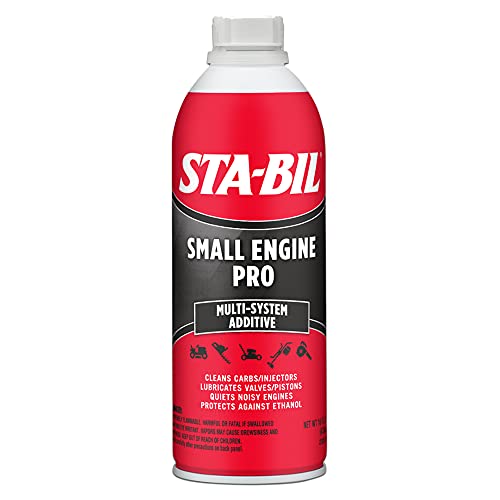
Features: Cleans gum and varnish to restore power and performance; keeps internal components lubricated; helps reduce engine noise with proper lubrication and cleaning.
Best for: Small engines, such as lawn equipment, scooters, and ATVs, where emissions and ethanol blends may degrade starting reliability. Better for: engines that require extra lubrication to prevent valve and piston wear. Caution: Performance expectations depend on baseline cleaning level and engine condition.
STA-BIL Storage Fuel Stabilizer (10 oz)

Features: Preserves fuel for up to 24 months; prevents corrosion and ethanol damage; ensures quick, easy starts after storage.
Best for: Vehicles and equipment stored for extended periods—winter storage, seasonal machinery, or stockpiled fuel. Choose this if: you need long-term stability and easier re-starts after storage. Caution: Storage stabilizers are most effective when used with proper storage conditions and fuel rotation.
Sea Foam Motor Treatment

Features: Deep fuel system cleaning; cleans fuel injectors, carburetor restrictions, and chamber areas; also acts as an oil treatment to reduce engine wear and clean oil buildup. Suitable for both gasoline and diesel engines.
Best for: Comprehensive clean-up of fuel systems and oil paths to restore efficiency. Choose this if: you want a multi-purpose additive that addresses both fuel system cleanliness and engine oil cleanliness. Caution: For severe deposits, additional treatments may be required; follow mixing instructions carefully.
Buying Guide: Key Considerations For Ethanol-Related Fuel Additives
When choosing a gas additive for ethanol-related problems, buyers should consider storage needs, engine type, and maintenance goals. Below are practical questions to guide decisions.
- What is my primary need: storage stability, fuel system cleaning, or everyday engine performance?
- Do I store fuel long-term or use engines frequently? Storage stabilizers are best for long-term storage, while cleaners support regular operation.
- Is this for a small engine (lawn mower, generator) or a full-size vehicle? Some products target small engines with lubrication-focused formulas.
- Do I need phase-separation inhibitors for ethanol blends? Antioxidants and phase-separation inhibitors help with ethanol stability in stored fuel.
- Are there any engine or regulatory restrictions in my state? Some additives are restricted in certain regions; verify local guidelines.
Usage and compatibility: Always follow label directions. Some products emphasize detergency and gum removal, while others focus on corrosion protection and lubrication. For best results, combine a storage strategy with periodic engine maintenance, including regular fuel usage to prevent varnish buildup in ethanol-rich fuels.
FAQ
- Q: Are fuel stabilizers better for storage than cleaning additives? A: Yes, stabilizers primarily protect stored fuel and components from ethanol damage, while cleaners target the running engine and fuel system.
- Q: Can I use more than one additive at a time? A: In most cases, avoid mixing multiple formulations. Use one stabilized approach and follow manufacturer guidelines. Consult product labels for compatibility.
- Q: Is ethanol bad for engines? A: Ethanol can cause deposits, phase separation, and misfires if fuel sits unused. Additives help mitigate these effects by cleaning and stabilizing fuels.
- Q: How often should I use fuel additives? A: For storage, use stabilizers when storing fuel. For regular use, follow the product’s recommended dosing interval, typically every tankful or per season for small engines.
- Q: Do these additives affect fuel economy immediately? A: Some products claim improved combustion and reduced deposits, which can contribute to better efficiency over time, especially with ethanol blends.
- Q: Can I use these products in diesel engines? A: Some products are designed for gasoline only. Always check product compatibility before use in diesel engines.