Looking for the best gas stabilizer for lawn mowers? This guide compares top options to help you store fuel confidently and prevent engine problems. The selections are ideal for weekend gardeners, seasonal equipment owners, and anyone who wants reliable starts after storage. Below you’ll see which products fit different needs and why they were chosen. A quick buying table follows to compare key details at a glance.
| Product | Brand | Keeps Fuel Fresh | Best For |
|---|---|---|---|
| STA-BIL Storage Fuel Stabilizer, 8 oz 12-Pack | STA-BIL | Up to 24 months | Infrequently used lawn equipment and winter storage |
| STA-BIL Storage Fuel Stabilizer, 16 oz | STA-BIL | Up to 24 months | Medium-term fuel storage for outdoor power equipment |
| Star Tron Enzyme Fuel Treatment – Small Engine Formula | STAR BRITE | Maintains engine cleanliness and performance after inactivity | Engines affected by ethanol and varnish buildup |
| Star Tron Stabilizer+ Fuel Storage & Corrosion Protection | STAR BRITE | Enzyme-stabilized fuel with corrosion protection | Motors exposed to moisture and long storage |
| Star Tron Enzyme Fuel Treatment Concentrate | STAR BRITE | Supports ethanol-fueled engines | Various small engines and seasonal equipment |
STA-BIL Storage Fuel Stabilizer, 8 oz 12-Pack
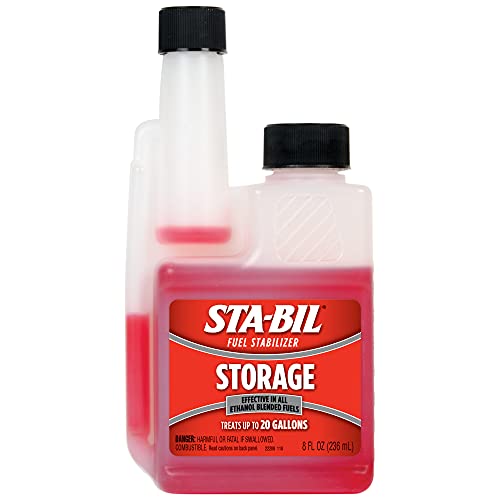
Preserves fuel for up to 24 months, protecting both ethanol and non-ethanol blends. Best for seasonal lawn equipment and boats stored during winter. Easy-starts benefit stored engines after long idle periods. The pack format suits households stocking multiple units or long-term storage. A limitation is that it focuses on storage stability rather than rapid startup performance after extended inactivity, so use with realistic storage plans in mind.
STA-BIL Storage Fuel Stabilizer, 16 oz

This larger bottle treats up to 40 gallons and keeps fuel fresh for up to 24 months, making it suitable for owners with multiple storage needs or larger fuel reserves. It provides corrosion protection for both ethanol and non-ethanol fuels, supporting longer fuel system health. Choose this if you store more fuel or want fewer bottle swaps. A potential drawback is batch usage considerations; once opened, the stabilizer should be used within a practical timeframe to maintain effectiveness.
Star Tron Enzyme Fuel Treatment – Small Engine Formula

Uses enzyme technology to help engines start reliably after inactivity and to reduce ethanol-related problems like rough idling. It’s designed to keep fuel delivery clean, which can improve fuel economy and overall performance. Best for engines with ethanol exposure that experience sluggish starts after storage. A limitation is that results depend on proper dosing and storage conditions; follow directions for optimal results.
Star Tron Stabilizer+ Fuel Storage & Corrosion Protection

Combines enzyme stabilization with corrosion inhibitors to protect metal surfaces during storage. It’s easy to use—simply add to fuel before storing and enjoy added protection against moisture-related corrosion. Best for motorcycles, boats, lawn equipment, and classic cars that sit for extended periods. A caveat: the product is formulated for pre-storage treatment; ongoing monitoring of fuel quality is still recommended during long-term storage.
Star Tron Enzyme Fuel Treatment Concentrate

Designed to stabilize gasoline and support ethanol fuel performance through enzyme technology. Helps engines start more reliably and run cleaner after periods of inactivity. Best for owners who want a flexible concentrate they can mix with existing fuel supplies. A limitation is that precise dosing is required for optimal results across different fuel volumes and engine types.
Buying Guide: Gas Stabilizers For Lawn Mowers
- What storage period do you need? If storing for months to years, choose stabilizers that clearly specify long-term fuel freshness (up to 24 months).
- What kind of fuel will you stabilize? Ethanol-containing fuels and non-ethanol blends benefit from products that address ethanol-related issues and corrosion.
- What is your storage setup? For small garages with multiple seasonal tools, larger 16 oz or 32 oz bottles can reduce refills; for a single mower, smaller packs may suffice.
- Do you want enzyme-based stabilization? Enzyme treatments can help keep fuel delivery clean and reduce varnish buildup, potentially improving starts after storage.
- Is corrosion protection important? If moisture exposure or metal components are a concern, choose products with corrosion inhibitors as part of the formula.
- Ease of use and dosing guidance? Look for straightforward dosing instructions to ensure proper treatment for your fuel volume.
FAQ
- How long can I store fuel in a mower with stabilizer? Some stabilizers claim up to 24 months of fuel freshness when stored properly.
- Do enzyme-based stabilizers work for old gasoline? They can help reduce deposits and improve startup after inactivity when used as directed.
- Can I mix different brands of stabilizers? It’s generally best to stick with one stabilizer per storage batch to avoid potential chemical interactions.
- Will stabilizers affect performance immediately? Stabilizers primarily protect storage quality; some products also claim easier starts after storage, but effects vary by engine and conditions.
- Should I drain fuel before long-term storage? In some cases, draining and storing fuel separately is recommended; follow mower manufacturer guidance in addition to using stabilizers.
- How do I know what quantity to treat? Use the dosing instructions on each product based on the total gallons of fuel you store.