When choosing gasket material for exhaust or small-engine seals, prioritize non-asbestos sheets that tolerate oil, heat, and vibration. This guide highlights five practical options for DIY gasket making, each suited to different engines and seal tasks. The top picks balance heat resistance, oil resistance, and easy cutting, helping you select the right sheet for engine gaskets, exhaust repairs, or sealing tasks surrounding small machinery. The buyer-friendly table below summarizes who each product is best for.
| Product | Best For | Notes |
|---|---|---|
| Arwnnklo Non-Asbestos Gasket Material | DIY lawn mower and small engines | Three thicknesses; good vibration tolerance |
| Terixe 3 Pack Non-Asbestos Gaskets | Engine gaskets and exhaust repairs | 15″x11.8″ sheets; 0.8/1.0/1.2 mm |
| Anglekai Gasket Material Sheet | Small engines and low-temp exhaust work | 3 or 6 pieces; 0.8/1.0/1.2 mm |
| Nkiy Quen 6 Pcs Gasket Material | DIY gasket projects and rebuilds | 15″x11.8″; multiple thicknesses |
| TKCBCD Gasket Material Sheet Set | Versatile DIY gasket making | 3 sheets; 0.8/1.0/1.2 mm |
Arwnnklo Non-Asbestos Gasket Material – 14″ x 11″ Pack
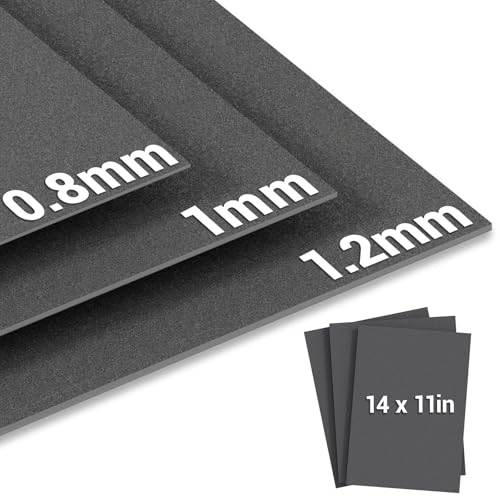
Material: Non-asbestos, oil and high-temperature resistant with insulating and wear-resistant properties. It maintains a tight compressed state in vibration and preserves shape over time, making it reliable for sealing. Size: 14″ x 11″. Includes three sheets in 0.8 mm, 1.0 mm, and 1.2 mm thicknesses. Best for: DIY enthusiasts working on lawn mowers or small engines who need flexible thickness options. Caution: Ensure the thickness chosen matches the original gasket to avoid leaks.
Terixe 3 Pack Non-Asbestos Gasket Material – 15″x11.8″

Features: Premium non-asbestos material with oil, heat, and pressure resistance. Includes three sheets in 0.8 mm, 1 mm, and 1.2 mm thickness. Best for: Engine gasket work, exhaust gasket maker tasks, and sealing in high-demand environments. Limitation: Large sheets may be less convenient for very small gasket shapes; scissors or utility knives needed for trimming.
Anglekai 3PCS/6PCS Gasket Material Sheet – 0.8/1.0/1.2 mm

Features: Non-asbestos sheet with three thicknesses (0.8, 1.0, 1.2 mm). Size about 15.15″ x 12″. Best for: Small-engine gaskets operating at lower temperatures (max around 200°C). Caution: Not ideal for high-heat exhaust components that exceed the temperature limit.
Nkiy Quen 6 Pcs Non-Asbestos Gaskets – 15″x11.8″

Features: Non-asbestos with good oil resistance, high temp and pressure resistance. Includes three thickness offerings across six sheets. Best for: DIY gasket projects requiring multiple thicknesses and reliable sealing. Limitation: Cut-to-shape precision matters; ensure shapes align with engine ports to avoid leaks.
Mr. Gasket 77 Exhaust Gasket Material
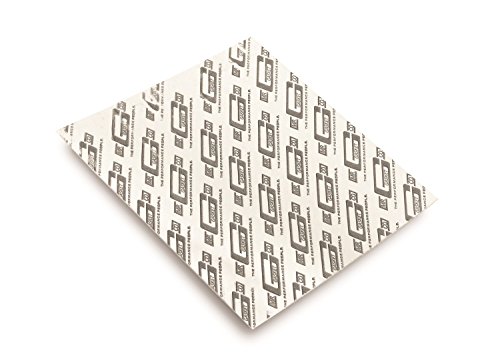
Features: Heat-resistant, tear-resistant compressed fiber laminate for custom gaskets. Best for: Projects requiring infinitely customizable gaskets with specific shapes. Caution: This material is offered as an adaptable sheet; precise cutting is essential to ensure a proper seal and fit.
TKCBCD 1.2mm 15″x11.8″ Non-Asbestos Gasket Sheet Set

Features: Three sheets with 0.8/1.0/1.2 mm thickness, sized 11.8″ x 15″. Best for: Flexible DIY gasket applications across engines and exhaust tasks, plus general sealing needs. Caution: Appearance may vary between batches; verify thickness before cutting to avoid mismatch.
Buying Guide
What matters most when selecting gasket material for exhaust work? Consider heat tolerance, oil resistance, and ease of cutting. For DIY projects on smaller engines or lawn equipment, non-asbestos sheets with 0.8–1.2 mm thickness often provide the best balance between seal integrity and flexibility. If the project involves high exhaust temperatures, choose materials explicitly rated for higher heat and dimensional stability. For complex shapes, sheets that are easy to trim and conform, such as those recommended by Mr. Gasket or Terixe, can save time and reduce waste.
Key considerations to compare across options:
- Heat and oil resistance: Essential for exhaust and engine gaskets; non-asbestos options are commonly chosen for safety and durability.
- Sheet size and thickness options: Larger sheets with multiple thicknesses enable a single kit to cover various gasket needs.
- Cutting and shaping: Materials should be easily cut with common tools, without fraying or tearing.
- Intended用途: Some sheets are better for low-temperature, small-engine seals; others handle higher heat and pressure.
- Static vs. dynamic sealing: In vibrating environments, resilience and shape retention matter to prevent leaks over time.
Frequently Asked Questions
- What gasket material is best for exhaust work?
Non-asbestos gasket sheets with heat and oil resistance are preferred for most exhaust and engine gasket tasks.
- Can I use any thickness for my engine gasket?
Choose a thickness that matches your original gasket or the OEM specification to ensure proper sealing.
- Are non-asbestos sheets safe for DIY use?
Yes, non-asbestos materials reduce health risks and still provide adequate sealing performance when used correctly.
- How do I cut gasket material accurately?
Lay out the gasket pattern, score with a sharp knife, and trim slowly for a precise fit; use clamps to minimize slipping.
- What should I avoid when choosing gasket sheets?
Avoid sheets with insufficient heat resistance for high-temperature exhaust applications; verify thickness and compatibility for your engine.