When choosing a gasket sealer for an oil pan, you want durable adhesion, oil resistance, and long-lasting flexibility. This guide covers top-rated RTV gasket makers and formed-in-place solutions suited for oil pans, valve covers, and related engine seals. It highlights who each product is best for and why, plus practical cautions to help you pick confidently.
Buyer summary table (selected products):
| Product | Best For | Why It Stands Out |
|---|---|---|
| Permatex 82180 Ultra Black | General oil pan and transmission seals | Superior oil resistance; sensor-safe; long-term durability |
| Permatex 85080 Ultra Black | OEM-grade, dealership warranty compatibility | High flexibility; strong oil and coolant resistance; non-preformed gasket replacement |
| Permatex 82194 Ultra Grey | High-torque, high-vibration engines | Excellent vibration resistance; oil and fluid resistance |
| MANNOL Gasket Maker 9913 | Leaky seals on imperfect surfaces | Fast cure at room temp; high-temperature stability |
| Victor Reinz Reinzosil RTV | Universal applications | Broad fluid resistance; temperature tolerance |
Permatex 82180 Ultra Black Maximum Oil Resistance RTV

Best for: General oil pan seals and long-term oil exposure. This sensor-safe, non-corrosive formula adheres well to oily surfaces and remains flexible under engine heat. Suitable for engine oil, transmission fluid, gear lube, and coolant exposure.
Why selected: The product emphasizes high oil resistance and durable adhesion on oily surfaces, making it a versatile choice for common oil pan gasket repairs and re-seals.
Caution: Proper surface preparation is important; allow adequate cure time and avoid applying on substrates that are contaminated with incompatible fluids.
Permatex 80015 Form-A-Gasket #2 Sealant

Best for: Dressing and sealing cut gaskets on flexible or stamped parts. It resists gasoline, oil, and grease, and allows for disassembly if needed. Good for temporary gasket seating or surfaces where a pre-formed gasket isn’t available.
Why selected: Not a silicone gasket maker, but a slow-drying sealant that provides a removable, flexible seal—useful when the exact gasket shape is uncertain or when repairs require later disassembly.
Caution: It is slower to cure than RTV options and may not match the long-term oil resistance of dedicated gasket sealants in high-heat environments.
MANNOL Gasket Maker 9913
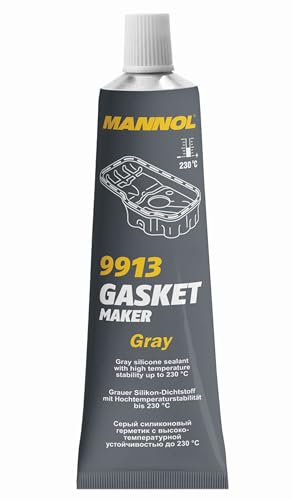
Best for: Quick, flexible sealing on uneven surfaces and where a traditional gasket isn’t feasible. Suitable for oil pans, valve covers, and thermostat housings with high-temperature exposure.
Why selected: It hardens at room temperature to form a durable, flexible seal that resists cracking under pressure, and it works as a replacement for multiple gasket types when stock is limited.
Caution: Like many RTV products, proper surface prep improves adhesion; avoid applying on wet or contaminated surfaces for best results.
Victor Reinz Reinzosil RTV Silicone

Best for: Universal applications where broad fluid resistance is needed. This RTV silicone handles mineral oils, synthetic oils, fuels, water, and detergents, plus temperature fluctuations.
Why selected: Its versatility and strong oil and fluid resistance make it a solid all-purpose choice when you’re sealing various oil pan or gasket interfaces in mixed-use engines.
Caution: Not vehicle-specific; verify compatibility with your engine’s materials and your service requirements before use.
Permatex 22072 Ultra Black Maximum Oil Resistance

Best for: High oil exposure applications with a need for flexible, durable seals. Sensor-safe, non-corrosive, and designed for long-term resistance to engine oil, transmission fluid, and coolants.
Why selected: It emphasizes a strong fluid resistance profile and maintains high flexibility, reducing the risk of cracking under engine heat and vibration.
Caution: Ensure you’re applying to clean, compatible surfaces to maximize adhesion and avoid mold-release or contamination issues.
Buying Guide: Key Considerations For Oil Pan Gasket Sealants
- What is the operating environment? Consider temperature range, oil types, and exposure to coolant or fuel.
- Is a flexible cure important? Oil pans experience vibration and heat; choose products labeled for high flexibility and vibration resistance.
- Is surface preparation feasible? Some sealants require clean, dry substrates and proper masking for best results.
- Do you need a removable seal? If disassembly might be required in the future, choose non-hardening or slowly curing formulas that allow easy removal.
- OEM and warranty considerations: Some products are described as OEM-specified or dealership-warranty-compatible; verify compatibility with your vehicle’s warranty terms.
- Application scope: Decide whether you need a universal RTV sealant, a specific oil pan gasket maker, or a Form-A-Gasket style dressing sealant.
Frequently Asked Questions
- What is the difference between RTV silicone and Form-A-Gasket sealants? RTV silicone cures into a flexible gasket-like layer, while Form-A-Gasket is a dressing that seals gaps and often allows easier disassembly.
- Can I use gasket sealant on aluminum oil pans? Yes, many sealants are formulated to bond well with aluminum, but surface prep is crucial for durability.
- Do I need to cure before starting the engine? Most RTV sealants require a cure period; check the product label for recommended handling times.
- Is sensor-safe sealant important for engines? Sensor-safe formulas reduce the risk of damaging oxygen sensors or other sensor components during curing.
- How do I choose between oil-resistant and universal sealants? For frequent oil exposure, pick a product with strong oil resistance; for broader fluid resistance, a universal option may be appropriate.
- Are there safety considerations? Work in a well-ventilated area, wear gloves, and follow manufacturer instructions for handling and curing times.