For fleet managers and business owners, real-time GPS tracking improves visibility, reduces downtime, and boosts safety. This guide highlights five reliable fleet-ready trackers, explains who each is best for, and notes any limitations. Use these suggestions to select a system that fits fleet size, data needs, and maintenance capabilities. The table below compares key strengths and suitable use cases at a glance.
| Product | Best For | Why It Stands Out |
|---|---|---|
| Bouncie GPS Tracker | Mid-sized fleets and family use | Real-time updates, route history, driving insights, and maintenance alerts |
| VITALGLOW No-Subscription Tracker | Cost-conscious fleets | No monthly fees, frequent updates, long playback |
| VKAFW GPS Tracker | All-around fleet tracking | Geofencing, route history, real-time alerts |
| Tracki Pro | Long-term asset tracking | Long battery life and strong alerts, 4G LTE |
| Moto Watchdog No-Subscription | Simple, no-subscription fleets | No monthly fees, plug-and-play, fleet view |
Bouncie GPS Tracker for Vehicles
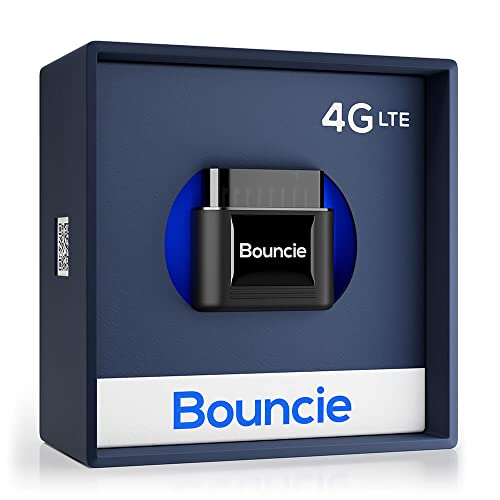
Best for: fleets needing real-time location, route history, and driving insights. This device provides up-to-the-minute location data, detailed route history, speed monitoring, and alerts for unsafe driving. It also continuously monitors diagnostic engine data to flag potential maintenance issues.
Why chosen: The combination of location accuracy, route playback, and vehicle health alerts helps reduce downtime and service interruptions. It supports fleet managers who want proactive maintenance as part of daily operations.
Limitations: The data relies on cellular connectivity; outages may affect real-time updates. Consider backup communication options for remote areas.
GPS Tracker for Vehicles, No Monthly Fee, Real-Time Tracking

Best for: fleets that prefer a no-subscription model with very frequent updates. This tracker features real-time tracking every 5 seconds, long playback, and uses the vehicle’s power supply without a battery drain.
Why chosen: The no-subscription model helps control ongoing costs, while 5-second updates provide high-resolution visibility for rapid decision-making.
Limitations: It does not provide battery-powered operation, so performance depends on the vehicle being on. Consider power management in idle fleets.
GPS Tracking Device for Cars, Trucks, Trailers, Assets & Fleet Vehicles

Best for: users seeking geofencing, route history, and real-time alerts in a compact system. This device tracks movements across multiple asset types and provides location-based notifications.
Why chosen: Geofencing and route history support compliance and safety workflows across fleets with mixed assets. It’s suitable for businesses needing centralized alerts on multiple vehicle types.
Limitations: Data detail length depends on the service plan; verify update cadence and alert channels before deployment.
Tracki Pro GPS Tracker for Vehicles

Best for: fleets needing long-term asset visibility and strong alerting with a portable form factor. Tracki offers a 4G LTE connection with a sizable battery life for periods between charges.
Why chosen: It provides comprehensive fleet control with frequent updates and a broad alerting system, making it a solid pick for mobile assets and remote locations.
Limitations: Subscription-based service is required for full functionality; consider total cost of ownership over time and the required plan features.
Moto Watchdog GPS Tracker for Vehicles

Best for: fleets that want no monthly fees combined with straightforward setup and fleet-wide visibility. This device emphasizes a no-subscription approach for ongoing costs.
Why chosen: Plug-and-play installation and simple management make it ideal for smaller fleets or businesses testing GPS tracking without long-term commitments.
Limitations: It does not include engine diagnostic data, which may be useful for predictive maintenance. Pair with a supplementary tracker if engine health is essential.
Buying Guide
What to consider when selecting a fleet GPS tracker:
- Update cadence: Higher frequency improves real-time decision-making but may use more data.
- Power source: Battery-powered units work off-vehicle power when possible; some rely on hardwired connections.
- Geofencing and route history: Essential for boundary control and post-trip analysis.
- Maintenance data: Engine health and alerts can prevent downtime; decide if this is needed for your fleet.
- Subscriptions and costs: No-subscription options reduce long-term costs but may have trade-offs in features or coverage.
- Installation: Plug-and-play vs. professional installation; consider vehicle types and access to ports.
- Coverage area: Ensure 4G/5G compatibility and global or regional coverage based on routes.
- Data privacy: Review data collection policies and access controls for driver and vehicle data.
FAQ
- What is the best GPS tracker for a mid-sized fleet with maintenance alerts?
Answer: A device like Bouncie offers real-time location, route history, and vehicle health data suitable for mid-sized fleets. - Do all trackers require a monthly subscription?
Answer: No, some models offer no-subscription options, but many premium features may require a plan. - Can these trackers monitor driver behavior?
Answer: Some trackers provide speeding, hard braking, and other driving insights to support safety programs. - Is geofencing necessary for fleet management?
Answer: Geofencing helps enforce boundaries and triggers alerts when vehicles enter or exit areas, aiding security and compliance. - Do trackers work without power from the vehicle?
Answer: Battery-powered trackers exist, but many fleet devices rely on the vehicle’s power supply. - Which tracker is best for rugged or remote locations?
Answer: Models with robust waterproofing, strong battery life, and reliable cellular connectivity are preferable in remote areas.