When selecting a heat shield for a radiator, look for high-heat resistance, reflective surfaces, and easy-to-cut forms that fit your project. This guide showcases five strong options suited for automotive, DIY, and home heating applications. Each pick targets specific buyers: DIY enthusiasts, auto restorers, and professionals seeking reliable radiant-heat protection with simple installation. The table below summarizes key details to compare at a glance.
| Product | Brand | Best For | Size / Thickness | Notes |
|---|---|---|---|---|
| FLASLD Aluminized Heat Shield Mat Thermal Barrier | FLASLD | General high-heat shielding, small to mid-size projects | 12″ x 24″, 0.8 mm | Adhesive-backed, reflects up to 95% heat |
| FLASLD Heat Shield Sleeve | FLASLD | Sleeve-style installations | 12″ x 40″, 0.8 mm | Heat barrier with 2000°F rating |
| FLASLD Heat Shield Blanket 9×12 | FLASLD | Welding and DIY heat zones | 9″ x 12″, 6 mm thick | Carbon felt, up to 1800°F |
| Amerbro Heat Shield Automotive Reflective Foil | Amerbro | Automotive and household uses | 12″ x 24″, 0.02″ thick | Nano adhesive, 95% heat reflection |
| Second Skin Thermal Block | Second Skin | Under-hood and firewall protection | 12″ x 24″ | OEM-grade materials for durability |
FLASLD Aluminized Heat Shield Mat 12” x 24”
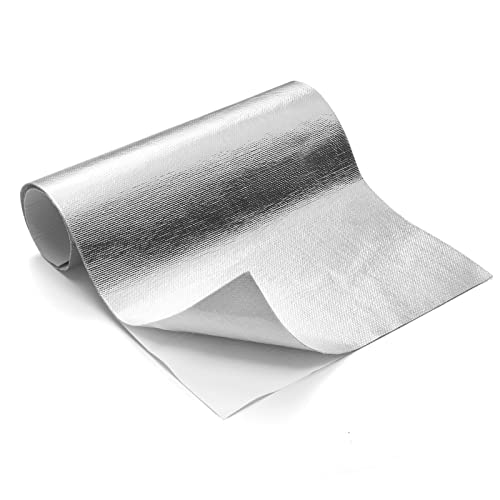
This aluminized heat shield mat provides high-temperature protection with a flexible, durable woven silica core. It reflects up to 95% of radiant heat and withstands temperatures above 2000°F. Best for DIY projects and compact spaces where radiant heat is a concern. The adhesive-backed surface simplifies installations on metal surfaces or structured components.
Who it’s best for: hobbyists and small-shop projects needing a reliable, easy-to-cut shield. Why selected: strong heat reflection, wide size options, and straightforward trimming suit varied applications. Caution: adhesive backing performs best on clean, dry surfaces; check fit before final mounting.
FLASLD Aluminized Heat Shield Sleeve
This heat shield sleeve extends protection along longer runs or cylindrical components. Like the mat, it uses an aluminized reflective surface and resists temperatures up to 2000°F. The sleeve format helps cover larger or curved surfaces without seams that can leak heat. Best for engine bays or exhaust ducts where a wrap-around shield is advantageous.
Who it’s best for: installers needing wrap-around coverage on pipes or ducts. Why selected: flexible form factor enables easier contouring around irregular shapes. Caution: size must be trimmed to fit; ensure full coverage to avoid bare gaps.
FLASLD 9×12in Heat Shield Blanket

This carbon-felt blanket offers high-temperature protection up to 1800°F. The 6 mm thickness provides a soft, wrapping shield suitable for welding tables, tool stations, and areas where sparks or flames are a risk. It’s flexible enough to cover irregular shapes and is designed to resist tearing while staying soft to the touch.
Who it’s best for: welding and DIY areas with exposed heat, sparks, or flame risk. Why selected: strong direct-heat protection with soft handling and easy placement. Caution: not designed for continuous direct contact with flame sources or extremely sharp edges that may cut the material.
Amerbro Heat Shield Automotive Reflective Foil

These 12″ x 24″ mats reflect up to 95% of radiant heat and withstand temperatures up to 1022°F. The oversized design allows easy cutting to fit larger surfaces, such as behind refrigerators, under-hood areas, or around electrical components. A nano-adhesive surface enables strong, heat-resistant bonding on smooth surfaces.
Who it’s best for: automotive and household use where a high-visibility reflective shield is desired. Why selected: combination of high heat reflectivity and modern adhesive technology. Caution: ensure the adhesive surface is clean and dry for best bonding; avoid high-gloss painted surfaces that may inhibit adhesion.
Radiator Commercial Reflective Foil Heat Reflector
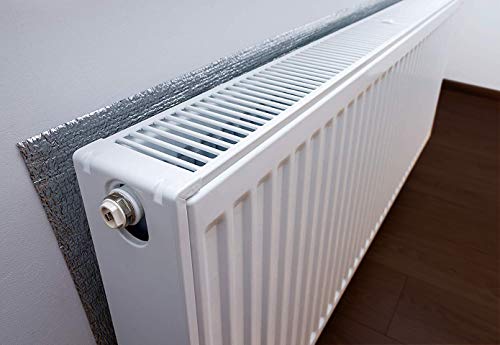
This commercial-grade reflective foil reduces radiant heat transmission into walls behind radiators. It claims up to 96% heat stop and emphasizes safety with toxin-free materials. It’s suitable for larger installation areas and settings where energy savings and heat control are priorities.
Who it’s best for: homeowners and professionals seeking a high-coverage radiant barrier for radiators. Why selected: strong heat reflection with a focus on long-term safety. Caution: confirm compatibility with existing radiator coatings and nearby materials before installation.
FLASLD Aluminized Heat Shield 24” x 40”
This larger FLASLD shield extends protection to bigger projects while maintaining the same reflective surface and heat reduction claims as smaller sizes. It can reduce up to 90% of radiant heat and withstand high temperatures for demanding installations. Best for expansive motor compartments or wall shields behind radiators.
Who it’s best for: projects needing substantial coverage with fewer seams. Why selected: combines broad surface area with proven heat reflection. Caution: heavier panels require secure mounting to prevent sagging or detachment in vibration-prone environments.
Buying Guide
What heat rating do I need?
Choose a shield rated for temperatures at or above the highest heat source in your setup. Look for heat tolerance figures (e.g., 1800°F, 2000°F) and ensure the material remains stable under prolonged exposure.
How important is reflectivity?
Reflectivity reduces radiant heat transfer. Materials with 95% or higher reflectivity are more effective near engines, exhaust, or stoves. Consider whether you need a reflective surface, a conductive barrier, or a combination for your project.
Which form factor fits my project?
Materials come as mats, blankets, sleeves, and foils. Mats are versatile; blankets offer dense protection; sleeves wrap curved surfaces; foils are great for flat, broad areas. Choose based on shape, access, and ease of installation.
Is adhesive backing reliable?
Adhesive-backed shields simplify installation on clean, dry surfaces. For rough or curved surfaces, consider mechanical mounting options or overlapping designs to ensure full coverage without gaps.
Durability and safety considerations
Assess material composition (aluminized metal, carbon felt, PET fiber) for tear resistance, heat endurance, and compatibility with nearby materials. Check for any off-gassing concerns and ensure installation adheres to safety guidelines for your environment.
FAQ
What is the primary purpose of a radiator heat shield?
To reflect or block radiant heat from damaging components, reducing heat transfer to surrounding surfaces and improving efficiency and safety.
Can I install heat shields myself?
Yes, most shields are designed for DIY installation using adhesive backing or simple mounting methods. Follow the product’s installation instructions and ensure surfaces are clean and dry.
Will a heat shield affect vehicle appearance?
Most shields are designed to be discreet or easily trimmed to fit. Adhesive-backed mats and foils can be cut to shape to minimize visibility while maintaining protection.
How do I choose between a mat, blanket, and foil?
Choose based on coverage needs and installation location. Mats and foils suit flat areas, blankets suit larger or irregular zones, and sleeves fit curved components or pipes.
Are there safety concerns with high-heat shields?
Ensure shields are correctly installed away from flammable materials. Avoid covering moving parts that could abrade the shield, and follow all manufacturer guidelines for temperature limits and mounting.