Answering the question: these heat shields are designed to reduce engine and exhaust heat transfer to riders, improving comfort and safety on long rides. They are best for riders who want added thigh and leg protection, especially in hot climates or heavy-traffic conditions. The following picks highlight universal fit options, strong insulation, and durable materials to fit a range of cruiser, touring, and sport bikes.
| Product | Best For | Key Benefit |
|---|---|---|
| NTHREEAUTO Motorcycle Side Saddle Leather Heat Shield | Harley models and similar cruisers | Leather with aluminum insulation for strong heat blocking |
| HCmotorku Universal Leather Side Saddle Heat Shield | Riders seeking flexible PU leather protection | Heat-resistant, non-conductive barrier |
| QWORK Exhaust Heat Shield | Wide pipe diameters, various bikes | Sturdy steel shield with clamp system |
| Dreamseek Exhaust Heat Shield | Universal middle-pipe protection | Stainless steel with carbon-fiber aesthetic |
| Haosie Exhaust Heat Shield | General motorcycle exhaust protection | Durable metal shield with clamps |
The following sections detail five selected products. Each entry notes who it’s best for, why it was chosen, and a practical caveat where applicable.
NTHREEAUTO Leather Heat Shield Deflector

Best for riders with Harley-style cruisers who want a classic leather look plus strong insulation. This universal leather shield wraps across the tank and down the sides, creating a barrier between hot engine air and the rider’s thighs. It uses a 5 mm aluminum foil insulation board backing for improved heat resistance. Caution: compatibility is broad but may require fitment checks on non-Harley models.
HCmotorku Leather Side Saddle Heat Shield

Best for riders seeking flexible PU leather protection without altering seat geometry. This universal deflector provides a barrier between hot engine air and the rider’s legs and inner thighs. It’s designed to remain heat-resistant while preserving ride quality. Caution: some users may prefer fabric-backed shields for added airflow on hot days.
BurnJacket Protective Leg Shield

Best for riders who want extra protection for calves during long, hot rides or in stop-and-go conditions. The BurnJacket line offers multiple styles (Original, Pro, Max, ProMAX) to fit calf size and coverage needs. Caution: some users may find it more of a leg sleeve than a direct exhaust shield on smaller bikes.
QWORK Universal Exhaust Heat Shield

Best for riders needing a wide-fit solution for exhaust pipes from 20 mm to 70 mm in diameter. This metal shield emphasizes safety by protecting riders from burns and scalding. Caution: metal shields may transmit more heat to adjacent components if not properly positioned on very close-fitting pipes.
FLASLD Aluminized Heat Shield Sleeve
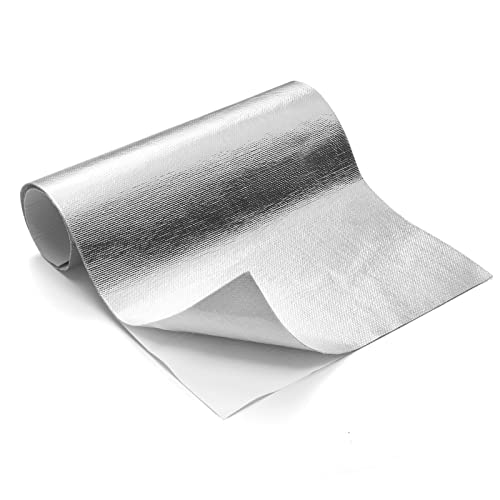
Best for projects requiring high-temperature resistance up to 2000°F and reflective heat reduction. The aluminized sleeve is flexible, with sizes that can be trimmed to fit. Caution: installation may require trimming and securing in a way that avoids interference with moving parts.
Dreamseek Exhaust Heat Shield

Best for riders seeking universal middle-pipe protection with stainless steel construction and carbon-fiber styling cues. This shield focuses on protecting the middle pipe area and reducing heat exposure to legs. Caution: design emphasizes middle-pipe coverage; check pipe routing on unique bike layouts.
Haosie Exhaust Heat Shield

Best for riders seeking a universal exhaust shield with easy clamp installation. It provides good insulation and a durable metal shield. Caution: clamp quality varies by batch; verify clamps fit your exhaust diameter before purchase.
Buying Guide
What should you consider when selecting motorcycle heat shields?
- Compatibility: Check pipe diameters and model fitment. Universal shields offer broad compatibility but may require adjustments for precise alignment.
- Material and insulation: Leather, PU leather, metal shields, and aluminized barriers provide varying heat protection and airflow. Prioritize shields with non-conductive backing for rider comfort.
- Installation: Some shields use clamps, others rely on wraparound designs. Ensure you have the necessary mounting hardware and tools.
- Coverage area: Decide whether you need thigh-area protection, mid-pipe shielding, or full-length coverage along the tank and sides.
- Durability and weather resistance: Look for water- and sweat-resistant fabrics for longevity in all-weather riding.
- Safety considerations: Shields should not interfere with foot controls, controls, or gas tank clearance. Avoid shields that restrict rider movement.
Frequently Asked Questions
- Are heat shields universal or model-specific?
Most options are universal or broadly compatible, but always verify fitment against your bike’s exhaust diameter and model.
- Do heat shields affect exhaust performance?
Quality shields focus on heat deflection and insulation without obstructing exhaust flow; improper installation can affect clearance.
- Can heat shields be used in hot climates only?
No, they improve comfort in any climate by reducing direct heat transfer and rider fatigue.
- What maintenance is required?
Wipe down surfaces, check clamps periodically, and re-secure attachments after riding on rough roads.
- Which material is most durable?
Metal shields and aluminized sleeves tend to offer the strongest heat resistance and longevity in demanding conditions.
- Are there safety drawbacks to leather shields?
Leather shields provide style and padding, but may not handle extremely high heat as well as metal or aluminized barriers in some conditions.