Answering the search for car heat wrap solutions, this guide highlights the best heat wrap options for protecting exhausts, wiring, and engine bays. These products are ideal for DIY enthusiasts, professional mechanics, and anyone needing reliable radiant heat protection in high-heat zones. The top picks below are selected for durability, heat handling, and ease of installation.
| Product | Best For | Key Benefit |
|---|---|---|
| Design Engineering 10396 Reflect-A-Gold | High-heat areas like firewall and engine covers | Excellent radiant heat reflection up to 850°F with strong adhesive backing |
| FLASLD Aluminized Heat Shield | Direct infrared heat protection | Reflects up to 95% of radiant heat; multiple sizes |
| SunplusTrade 2″ x 50′ Exhaust Heat Wrap | Exhaust pipes, headers, and motorcycle applications | Withstands 1400°F direct/2000°F radiant heat; includes stainless ties |
| LEDAUT 2″ x 50′ Titanium Exhaust Wrap | Exhaust systems needing durable sleeving | High resistance to heat and vibration with stainless ties |
| Amerbro Wire Heat Shield Wrap | Pipes and electrical wiring protection | 1022°F heat resistance for pipes/wires; includes ties |
Design Engineering Reflect-A-Gold 2″ x 15′ Wrap

Features: High-temperature reflective insulation with adhesive backing. Suitable for firewalls, bulkheads, engine covers, floors, and seat bottoms. Handles continuous temperatures up to 850°F and provides a secure bond to metal, plastic, and composite surfaces. Best for buyers seeking a versatile radiant heat shield with strong adhesion.
Best for: DIY installers focusing on retrofitting radiant heat protection in engine bays or high-heat zones. Limitations: Not designed for direct flame contact; requires surface cleanup for optimal adhesion.
FLASLD Aluminized Heat Shield Sleeve (12″ x 40′)
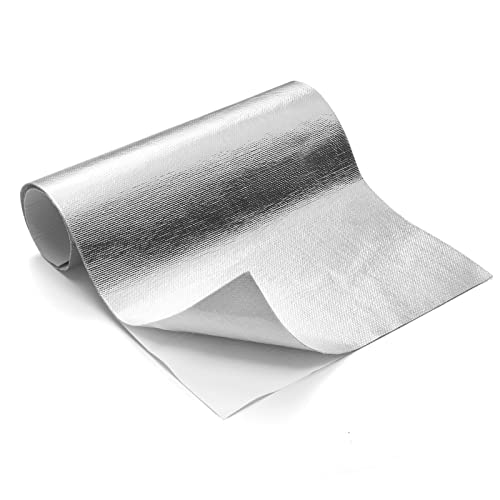
Features: Aluminized, adhesive-backed heat barrier with flexible woven silica. Designed to withstand temperatures above 2000°F, reflecting up to 95% of radiant heat. Available in multiple sizes, including 12″ x 40″ and other configurations. Best for: users requiring heavy-duty radiant heat protection in engine compartments or under hood areas. Caution: Trim carefully to fit and avoid air gaps that reduce effectiveness.
SunplusTrade 2″ x 50′ Exhaust Heat Wrap Roll
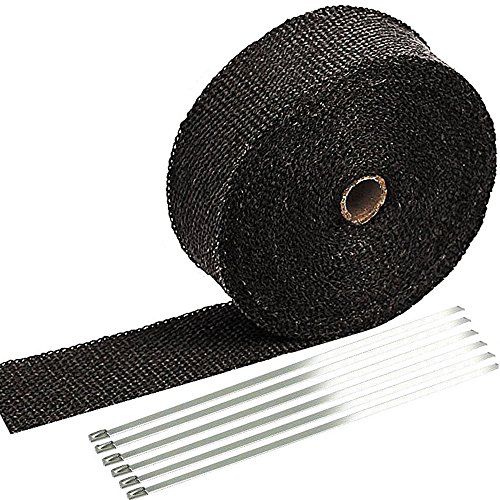
Features: 2″ wide wrap, 50′ long with stainless ties. Resistant to high heat up to 1400°F direct and 2000°F radiant heat. Intended for exhaust pipes, headers, and heat shielding on motorcycles and automotive systems. Best for: applicators needing a long, economical wrap with included hardware. Limitation: Do not use on exhausts that require ceramic coatings or non-metal surfaces that cannot tolerate wrapping.
LEDAUT Titanium Exhaust Heat Wrap Roll
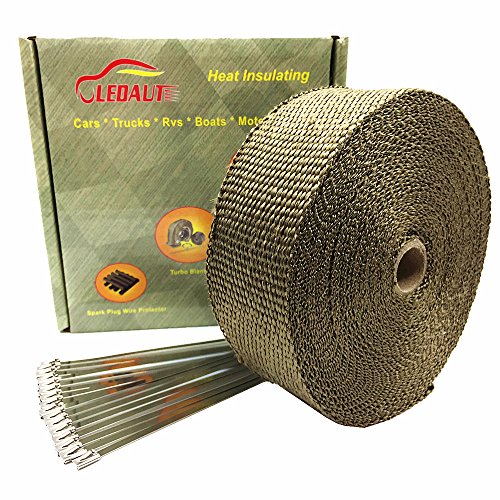
Features: 2″ x 50′ titanium wrap with stainless ties. Instructions recommend soaking before wrapping and securing ends with ties. High resistance to abrasions and heat. Best for: users needing robust protection for exhaust systems and a wrap that stands up to vibration. Caution: Handle fiberglass fibers with care during installation to avoid irritation.
Sporancingrts Gold Adhesive Heat Shield Tape Wrap

Features: Gold adhesive heat shield tape made from high-quality glass fiber. Intended for use on firewalls, hoods, hoses, and similar areas to control radiant heat. Self-adhesive backing simplifies application. Best for: quick, roll-up protection in engine bays where a flexible reflective layer is needed. Limitation: Do not apply on exhaust pipes.
Amerbro Wire Heat Shield Wrap

Features: 3/4″ I.D. x 10′ wrap suitable for hoses and wires. 1022°F heat resistance using SGS-certified fiberglass fabric. Provides effective insulation for pipes and wires. Best for: protecting delicate wiring and pipe runs in engine bays. Caution: verify diameter fit prior to purchase to ensure compatibility with existing conduits.
Buying Guide
What to consider when choosing a car heat wrap:
- Heat tolerance: Match wrap material to the expected range of direct or radiant heat in your project. Some wraps withstand up to 2000°F radiant heat, while others handle up to 850°F continuous use.
- Surface compatibility: Adhesive-backed options perform best on clean metal, plastic, or composite surfaces. Some wraps require mechanical fastening with ties for secure installation.
- Application area: For engine bays and firewalls, reflective aluminized wraps reduce radiant heat load; for exhaust pipes, high-temperature wraps reduce heat transfer and protect nearby components.
- Installation ease: Look for wraps that come with stainless ties or simple velcro closures for quick, reliable installation. Some may require soaking before use.
- Durability and flexibility: Flexible sleeves and aluminized fabrics offer better abrasion resistance and easier routing around tight bends.
- Maintenance and safety: Wear gloves during installation to avoid skin irritation from fiberglass fibers. Ensure proper trimming to avoid loose edges.
Quick Comparisons
- Best for overall engine bay protection: Design Engineering Reflect-A-Gold for high-heat reflection plus adhesive strength.
- Best for extreme radiant heat: FLASLD aluminized shield with up to 95% heat reflection and large size options.
- Best for exhaust pipes with hardware: SunplusTrade wrap with included stainless ties and high direct/radiant heat tolerance.
- Best value long roll: LEDAUT Titanium Wrap offers durability and long length with simple installation.
- Best for wiring and hoses: Amerbro heat shield wrap provides strong heat resistance for pipes and cables.
Frequently Asked Questions
- What is heat wrap used for in cars? It protects components from radiant heat, shields wiring and hoses, and can reduce under-hood temperatures.
- Can heat wrap be used on exhaust pipes? Yes, many wraps are designed for exhaust systems, but follow manufacturer guidance and avoid direct flame contact.
- Do I need to soak heat wrap before installation? Some wraps recommend soaking to prevent fibers from fraying and to reduce itching during handling.
- Will heat wrap affect exhaust gas temperatures? Wrapping may alter heat transfer; consider the specific application and service requirements for your vehicle.
- How do I secure heat wrap on curves or corners? Use stainless steel ties or slow-adhesive methods compatible with the wrap material to maintain coverage.
- Are there safety concerns with fiberglass-based wraps? Wear gloves and eye protection during installation to minimize skin and eye irritation.