When selecting a hose for transmission fluid, the key factors are compatibility with transmission fittings, pressure rating, temperature range, and durability. The following 5 products are suited for different needs—from compact, budget-friendly runs to heavy-duty, high-temperature setups. This guide helps you choose based on your vehicle, application, and space constraints. Ideal buyers include DIY enthusiasts extending cooling capacity, hot-weather drivers needing reliable lines, and truck owners pursuing towing or heavy-use reliability.
| Product | Best For | Key Benefit |
|---|---|---|
| EVIL ENERGY 3/8″ Transmission Oil Cooler Hose 5FT | Moderate length needs | Compact, affordable option with solid 250 psi working pressure |
| Transmission Funnel with 4 Foot Clear Tubing | Filling and reach in tight spaces | Clear, long hose for difficult-fill locations |
| EVIL ENERGY 3/8″ Transmission Oil Cooler Hose 10FT | Longer run or larger vehicles | Extended length without sacrificing pressure rating |
| 6AN 70″ Transmission Fluid Hose Kit | High-performance and universal fit | Stainless braided PTFE hose for robust cooling |
| 5/16 Transmission Oil Cooler Hose | Budget-friendly, medium capacity | Good pressure and temperature ratings with NBR core |
EVIL ENERGY 3/8″ Transmission Oil Cooler Hose 5FT
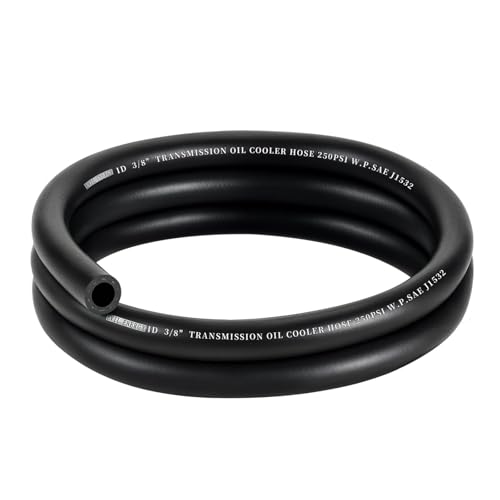
Size and materials: ID 3/8 inch (9.5 mm); OD 0.63 inch (16 mm); length 5 ft. Material: CPE. Temperature range: -40°F to 257°F. Minimum bend radius: 85.5 mm. Working pressure: 250 psi; Burst pressure: 1000 psi.
Best for: Smaller or mid-length installations where a compact, affordable cooler hose is sufficient. This is a solid balance of price and performance for typical daily-driver applications.
Caution: Shorter hoses can create routing challenges on compact engine bays; ensure clearance to prevent kinks. Not ideal for extended runs beyond 5 ft without confirming fit.
Transmission Funnel with 4 Foot Clear Tubing

Size: Includes a 4-foot flexible clear hose. Note about size: not suitable for holding an entire quart; best for small/medium-volume changes. Kit is designed to reach fill plugs in tight spaces and prevent leaks at joints.
Best for: DIY enthusiasts who need a long reach to the transmission fill port and want a mess-free experience. Helps when the vehicle’s fill location is hard to access.
Caution: For large-volume transfers, this funnel may require multiple fills to reach the desired quantity. Ensure you have a secure seal to avoid drips during pouring.
EVIL ENERGY 3/8″ Transmission Oil Cooler Hose 10FT
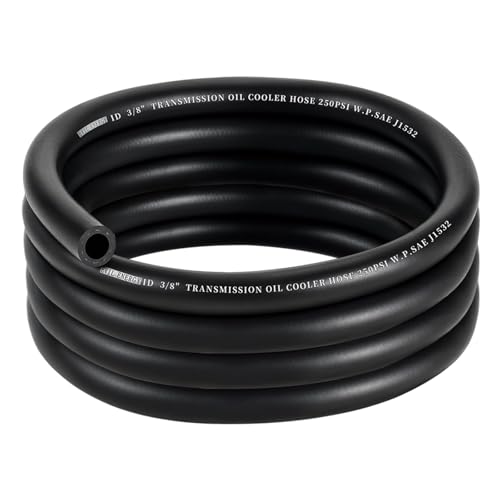
Size and materials: ID 3/8 inch (9.5 mm); OD 0.63 inch (16 mm); length 10 ft. Material: CPE. Temperature range: -40°F to 257°F. Minimum bend radius: 85.5 mm. Working pressure: 250 psi; Burst pressure: 1000 psi.
Best for: Vehicles needing a longer hose run while preserving the 250 psi working rating. Suitable for longer engine bays or where routing requires extra length without compromising pressure.
Caution: Longer hoses add more weight and potential routing complexity; plan path to avoid sharp bends that could raise the bend radius issue.
6AN 70″ Transmission Fluid Oil Cooler Hose Kit

Size and materials: Universal AN6 compatible. Length: 70 inches. Application includes GM/Chevy transmissions and several Ford applications. Function: Improves transmission cooling for daily drivers and towing. Extends unit life by avoiding heat-related failure.
Best for: A high-performance setup where universal fit and additional cooling support are needed, especially for towing or heavy-use scenarios.
Caution: This kit requires appropriate fittings and may be more complex to install than non-braided hoses. Ensure compatibility with your vehicle’s transmission connections.
5/16 Transmission Oil Cooler Hose

Size and material: ID 5/16″ (8 mm); OD 14 mm; length 10 ft. Temperature range: -40°F to 302°F. Working pressure: 300 PSI; Burst Pressure: 1800 PSI. Material: NBR rubber core with braided reinforcement; outer layer CPE rubber.
Best for: Budget-friendly option with strong temperature and pressure specs, good for mid-length runs in various vehicles.
Caution: Check bend radius (42 mm) to prevent kinks in tight engine compartments; ensure compatibility with your fittings and clamps.
Buying Guide
- What length do I need? Longer hoses provide routing flexibility but add weight and potential flex; choose length to minimize bends while reaching required ports.
- What is the maximum operating pressure? Ensure the hose’s working pressure meets or exceeds your transmission’s pressure demands, plus a safety margin for bursts.
- Material and compatibility: Hoses with CPE and NBR cores resist oil and heat, while braided PTFE lines offer high durability for performance builds. Check compatibility with your fittings (AN6, J1532, etc.).
- Temperature range: Transmission fluid can heat up under load. Select hoses rated for at least -40°F to 257°F or higher, depending on climate and driving conditions.
- Durability vs. maintenance: Braided hoses or polyurethane-based lines resist wear and aging better in demanding environments but may require more careful routing to prevent abrasion.
- Fittings and accessories: For universal kits, verify the availability of adapters and clamps that fit your transmission model and vehicle brand.
FAQ
- Do transmission hoses need to be replaced regularly? Replace hoses if they show cracking, hardening, bulging, or leaks. Regular inspection helps prevent failures under load.
- Can I use any hose for any transmission? Not all hoses fit every fitting or application. Check size (ID/OD), length, and fitting type before purchase.
- What is J1532? It is a standard for automotive hose compatibility and performance used by many transmission hose products.
- Is braided PTFE better than rubber hoses? Braided PTFE hoses generally offer higher durability and heat resistance, suitable for high-performance setups; ensure you’re comfortable with the installation.
- How do I choose between 5 ft and 10 ft hoses? For tight engine bays or short routing, 5 ft may be sufficient. For longer runs or complex routing, a 10 ft hose reduces the need for splices or additional fittings.
- What should I do if I notice a leak? Slow down the vehicle, stop the engine, and inspect clamps and connections. Replace any damaged hose immediately to prevent transmission damage.