Looking for an effective injector cleaner for gas engines to fix rough running, improve acceleration, and reclaim fuel economy? This guide presents five top options that target fuel injectors, carburetors, and intake deposits. Each choice suits different engine types and maintenance needs, from small lawn equipment to passenger cars. Below, you’ll find concise recommendations, a buyer-friendly guide, and answers to common questions.
| Product | Brand | Best For |
|---|---|---|
| STA-BIL Fast Fix Small Engine Treatment | STA-BIL | Small engines, carburetors, and fuel systems in lawn equipment |
| Lucas Oil 10003 Fuel Treatment | Lucas Oil | Gasoline and diesel engines; general tune-up and lubrication |
| Red Line 60103 SI-1 Complete Fuel System Cleaner | Red Line | High-performance engines needing thorough cleaning of fuel system and deposits |
| Chevron Techron Concentrate Plus Fuel System Cleaner | Chevron | Comprehensive fuel-system cleaning per manufacturer recommendations |
| Molecure Pea Complete Fuel System Cleaner | Molecure | Direct-injection and GDI engines; high-strength carbon deposit removal |
STA-BIL Fast Fix Small Engine Treatment, 8 oz

What it is best for: Small engines, such as lawn mowers and other outdoor equipment, where rough running, hard starting, or sputtering is a common issue. It cleans carburetors and the fuel system without disassembly, and it helps remove water and counter ethanol-related problems.
Why this was selected: The formula targets gum and varnish buildup that can cause rough starts and stalling in small engines. It works through the fuel system to clean carburetors and injectors and addresses ethanol-related issues like water in the fuel.
Limitations to note: It is designed for small engines; its results may vary for larger automotive engines or advanced fuel systems.
Key features
- Repairs rough running and hard starts
- Carb cleaner that cleans injectors and internal components
- Assists in removing water and ethanol-related problems
Best for: Homeowners with lawn equipment needing a quick, no-disassembly fuel-system cleaning solution.
Lucas Oil 10003 Fuel Treatment – 1 Quart

What it is best for: Vehicles and equipment that benefit from a general tune-up in a bottle, with claims of cleaning and lubricating the fuel system and improving MPG.
Why this was selected: It’s positioned as a broad-spectrum treatment for gasoline and diesel fuels, with cleansing and lubrication benefits for injectors and carburetors, potentially supporting smoother operation and efficiency.
Limitations to note: Real-world results can vary depending on engine type and current fuel condition.
Key features
- Cleans and lubricates the fuel system
- Suitable for gasoline and diesel engines
- Potential MPG improvements claimed
Best for: Owners seeking a multipurpose additive to support overall fuel-system cleanliness and lubrication.
Red Line 60103 SI-1 Complete Fuel System Cleaner

What it is best for: High-performance and modern engines that require robust cleaning of injectors, carburetors, and the combustion chamber to prevent corrosion and maintain efficiency.
Why this was selected: The product is designed to exceed expectations with a concentrated blend that cleans and prevents deposits, supporting efficient fuel burn and smoother operation.
Limitations to note: As a premium additive, it may be priced higher than basic cleaners, which could influence choice for budget-focused buyers.
Key features
- Cleans injectors, carburetors, and combustion chambers
- Prevents corrosion with high- and low-temperature detergents
- Promotes smoother operation and potential power retention
Best for: Performance-minded drivers and those maintaining direct-injection or turbocharged engines needing thorough system cleaning.
Chevron Techron Concentrate Plus Fuel System Cleaner
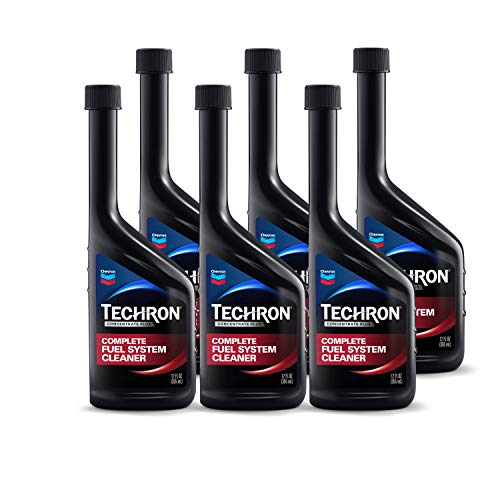
What it is best for: Following manufacturer recommendations for comprehensive fuel-system maintenance that cleans and restores performance across fuel injectors, intake valves, and combustion chambers.
Why this was selected: Techron is a long-standing option noted for broad-system cleaning and restoration of lost power and fuel economy, aligning with many vehicle maintenance routines.
Caution: Follow the owner’s manual guidance to avoid overuse or unnecessary dosing in newer engines.
Key features
- Cleans entire fuel system including injectors and valves
- Restores lost power and fuel economy
- Supports overall engine performance with regular use
Best for: Readers who want a trusted, manufacturer-recommended cleaner to support a complete fuel-system refresh.
Molecure Pea Complete Fuel System Cleaner

What it is best for: Direct-injection (GDI) and turbocharged engines requiring high-strength deposit removal, including intake valves and injectors.
Why this was selected: The PEA chemistry is designed to reach carbon deposits that standard cleaners may miss, offering improved throttle response and fuel economy for modern engines.
Limitations to note: PEA-based formulas can be pricier; ensure compatibility with your engine’s seals and fuel type when selecting.
Buying Guide
What to consider when choosing an injector cleaner
- Engine type and age: Smaller lawn engines vs. modern turbocharged vehicles require different cleaning strengths.
- Delivery scope: Some cleaners target only injectors, while others treat the entire fuel system, including valves and combustion chambers.
- Fuel compatibility: Check whether a product supports gasoline, diesel, or both, and consider ethanol-related issues.
How to use injector cleaners effectively
- Follow the dosing instructions on the bottle for the best balance between performance and safety.
- Use with clean fuel and avoid extended use in engines with known mechanical issues without professional assessment.
- For best results, run the engine through a full tank cycle after adding the cleaner to allow it to reach all fuel-system components.
Choosing the right strength
- Regular maintenance: A standard cleaner added periodically can help prevent deposits.
- Heavy buildup or high-mileage engines: A stronger, PEA-based formula may provide more effective deposit removal.
Practical tips for fuel-system care
- Use top-tier gasoline where possible to reduce deposit formation.
- Address ethanol-related effects by choosing cleaners that specifically combat ethanol-related water or varnish issues.
- Consider combining a fuel-system cleaner with periodic air and intake cleaning for optimal performance.
FAQ
- Q: How often should I use an injector cleaner?
A: Follow the product instructions; many recommend a treatment every 3,000–5,000 miles or per season for seasonal equipment. - Q: Will these cleaners fix a car that won’t start?
A: They can help with deposit-related starting issues, but persistent no-start conditions require diagnostic service. - Q: Can I use these in diesel engines?
A: Some are formulated for gasoline and diesel; check the product label to confirm compatibility. - Q: Are there risks with direct-injection engines?
A: Some cleaners are designed for DGI/GDI systems; choose a high-strength formula if deposits are suspected in direct-injection paths. - Q: Do cleaners add harmful additives to fuel?
A: Reputable products are formulated to be safe within recommended doses; always adhere to manufacturer guidelines. - Q: Do cleaners affect warranties?
A: When used as directed, most cleaners do not void warranties; consult your vehicle warranty terms if you have concerns.