If you’re seeking an inline fuel pump for a carburetor, you want reliable, low-pressure performance that prevents flooding, maintains a steady air-fuel mix, and is easy to install. This guide highlights five suitable 12V inline pumps, detailing who they’re best for and why they were selected. Whether you’re restoring a classic car, keeping a lawn mower running smoothly, or powering a generator, these options offer clear advantages for carburetor systems.
Quick comparison table
| Product | Best For | Key Benefit | Notes |
|---|---|---|---|
| ENGINEMAN Gasoline Electric Fuel Pump Universal 5/16 Inch | Cars, trucks, generators needing 2-3.5 PSI | Low-pressure stability and compact design | Includes installation kit |
| Universal Electric Fuel Pump Kit 12v 3-6 PSI | Multi-vehicle use, DIY installers | Complete kit with lines and fittings | 3-6 PSI suitable as booster or standby |
| ENGINEMAN Universal Electric Fuel Pump Kit 12V 3-6 PSI | Carburetor systems in various vehicles | Wide compatibility and durable build | Includes full mounting hardware |
| EVIL ENERGY External Inline 300LPH | Higher flow needs in EFI systems | High flow at multiple pressures | For 12V EFI setups |
| CarBole 5-9 PSI, 35 GPH | Universal carburetor applications | Compact, reliable inline option | 5/16″ inlet/outlet |
ENGINEMAN Gasoline Inline Fuel Pump (2-3.5 PSI)

This 12V inline pump is designed for carburetor systems requiring a gentle fuel delivery at 2-3.5 PSI. It provides about 28 GPH, helping prevent carburetor flooding while preserving an optimal air-fuel mixture. The compact inline design fits tight engine bays and reduces installation complexity. Best for small trucks, cars, generators, and lawn equipment that demand steady, low-pressure fuel flow.
- Best for: Carbureted engines in cars, trucks, generators, and lawn equipment needing low-pressure fuel delivery
- Why selected: Precise 2-3.5 PSI output with an 28 GPH flow ensures stable operation and smooth starts
- Limitation: Inline pumps may require careful mounting within 12 inches of the tank and secure fittings to avoid leaks
Universal Electric Fuel Pump Kit 12V 3-6 PSI

This kit pairs a 12V low-pressure pump with a complete set of accessories: fuel line (5/16″ ID, about 6.56 feet), filters, clamps, mounting hardware, wiring, and a fuse. Output pressure ranges 3-6 PSI, with up to 30 GPH flow. It covers a broad range of carburetor and small engine applications, including lawnmowers and ATVs. It’s ideal for DIY installers who want a turnkey setup.
- Best for: DIYers needing a full kit for carburetor and small engine installations
- Why selected: Everything needed for installation is included, reducing sourcing time
- Limitation: Some fuel types may require compatibility checks if using ethanol blends
ENGINEMAN Universal Electric Fuel Pump Kit 12V 3-6 PSI

This kit emphasizes universal compatibility for 12V systems in cars, trucks, boats, and lawn equipment. It delivers 3-6 PSI with stable flow (up to 30 GPH) and includes a built-in check valve to reduce backflow. The package features a durable construction with hoses, clamps, mounting screws, an inline fuse, and shut-off valves, making it suitable as a booster, standby, or standalone pump for carburetor systems.
- Best for: Broad 12V vehicle and equipment use, especially carburetors in diverse environments
- Why selected: Comprehensive installation kit and robust low-pressure performance
- Limitation: Excludes alcohol-based fuels; ensure fuel type compatibility
EVIL ENERGY External Inline Pump 300LPH
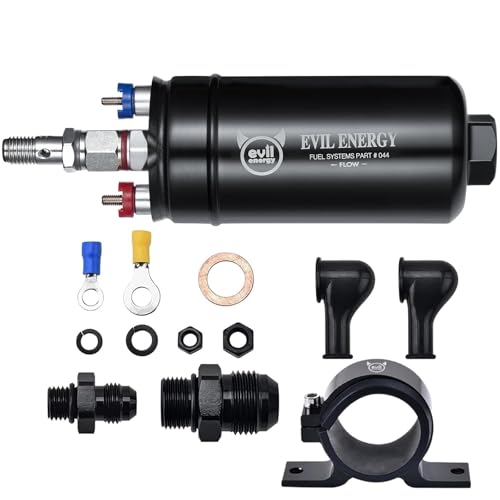
This high-flow inline pump targets 12V DC EFI systems with a robust 300 LPH flow at 43-75 PSI, offering a strong option for applications needing greater fuel delivery. It’s compatible with gasoline and diesel fuels and suitable where EFI or higher-demand carburetor setups exist. Best for high-demand engines or as a booster pump in larger fuel systems.
- Best for: EFI or carburetor systems needing higher flow and reliable performance
- Why selected: Clear high-flow capability at multiple pressures
- Limitation: Higher flow may be unnecessary for simple low-load carburetor use
CarBole Inline Pump 5-9 PSI, 35 GPH

This CarBole model targets carburetor engines with a 5-9 PSI output and 35 GPH flow. It uses 5/16″ inlet and outlet tubing and must be mounted within 12 inches of the fuel tank. The pump is positioned as a versatile option for multiple carburetor configurations, offering reliable delivery for everyday use in gasoline engines and small equipment.
- Best for: Carburetor engines requiring mid-range pressure and steady flow
- Why selected: Compact and easy integration with standard 5/16″ lines
- Limitation: Mounting distance limit may constrain placement in some installations
Buying Guide
What should I consider when choosing an inline fuel pump for a carburetor?
Key factors include output pressure (PSI), flow rate (GPH), compatibility with your engine type, and installation details. Carburetors generally prefer low to mid-range PSI to avoid flooding, so focus on models offering 2-6 PSI unless your system explicitly requires more. Check that fittings and hoses match your fuel line size (commonly 5/16 inch) and confirm mounting proximity to the tank.
What installation features help reliability?
Look for pumps with built-in check valves to prevent backflow and vapor locks, durable materials, and included installation kits (hoses, clamps, and mounting hardware). A compact form factor helps in cramped engine bays, while a clear mounting plan (within 12 inches of the tank) reduces line losses and ensures steady priming.
Should I choose a kit or a standalone pump?
Kits are convenient for DIYers, providing lines, filters, clamps, and wiring in one package. Standalone pumps may be cheaper but require sourcing compatible fittings separately. For first-time installations, kits offer streamlined setup and fewer compatibility concerns.
What about fuel type compatibility?
Most inline pumps handle gasoline and diesel. Some models may not be compatible with ethanol blends or alcohol-based fuels like E85. Always verify fuel compatibility to avoid pump degradation or performance issues.
How do I avoid common pitfalls?
- Do not mount the pump more than 12 inches from the fuel tank if guidelines specify proximity—this helps priming and reduces vapor lock risk.
- Ensure proper return lines in systems that require them to prevent over-pressurization.
- Use clamps and high-quality hoses rated for fuel exposure to prevent leaks.
Summary of selected products
For carburetor-focused needs, the following five pumps provide a mix of low-pressure stability and practical installation options. Each choice emphasizes straight-forward installation, reliable flow, and clear compatibility notes to support an informed decision.
Frequently Asked Questions
- What is the typical fuel pressure needed for carburetors? – Most carburetor systems operate in the low-pressure range, typically around 2-6 PSI, depending on the engine and carburetor design.
- Can I use a high-flow pump with a carburetor? – High-flow pumps can be used if the system includes appropriate pressure regulation. Without regulation, excessive pressure can flood the carburetor and cause engine issues.
- Are these pumps suitable for diesel engines? – Several listed pumps are compatible with both gasoline and diesel; always check the manufacturer’s notes for fuel type compatibility.
- Is professional installation recommended? – For complex fuel systems or high-performance setups, professional installation ensures proper wiring and leak-free connections.
- Do I need a return line? – Some systems benefit from a return line to prevent fuel pressure buildup; assess your engine requirements before installation.