Jon boats often need a higher engine mounting to optimize performance in shallow waters and improve planing. Transom risers and jack plates lift the motor to reduce bow rise, cavitation, and propeller disturbance while enhancing stability and speed. This guide highlights top 5 transom risers and related device options, explaining how each model can expand your boat’s capabilities without extensive modification.
Product Summary
| Product | Brand | Setback / Lift | Key Benefit |
|---|---|---|---|
| MJ-1-DP Jack Plate 4” Setback Small Engine Jack Plate | Camoo Store | 4″ setback | Raises engine to improve planing and reduce cavitation |
| MJ-1-DP Mini Jack Plate 4″ Setback | Bzcovac Store | 4″ setback | Boosts propeller efficiency and top speed |
| MJ-1-DP 4” Setback Small Engine Jack Plates Replacement | LAIKOU Store | 4″ setback | Improved performance and corrosion resistance |
| T-H Marine Mini Jacker Small Outboard Jack Plate | T-H Marine Store | 4″ setback, 3″ vertical offset | Fast plane and stable handling for small engines |
| 5″ Jack Plates For Outboard Motor Aluminum | Mindoub Store | 5″ lift | Increased clearance for shallow water operation |
Camoo Store MJ-1-DP 4″ Setback Jack Plate

This cast aluminum offset jack plate is designed for clamp-on mount outboard motors up to 35 HP, making it suitable for skiffs, aluminum boats, and inflatables. The model includes a wooden mounting block for a precise fit, aligning the engine mounting surface with the boat transom. With a 4″ setback, the engine sits higher relative to the transom, which can help reduce stern squatting and improve planing efficiency. The durable construction aims at resisting marine corrosion while maintaining a lightweight profile for easy handling on smaller craft.
The product’s practical appeal lies in its simple installation and the tangible performance benefits of repositioning the engine. For Jon boats with short transoms or long shaft motors, this plate provides a reliable means to gain better water flow around the prop and improve overall responsiveness during takeoff and acceleration. Potential users should verify mounting compatibility with their motor’s shaft length and transom structure before installation.
Bzcovac MJ-1-DP Mini Jack Plate 4″ Setback

Designed for small outboard motors up to 35 HP, this mini jack plate offers a 4-inch setback that helps shift the engine away from the transom. Cast aluminum construction provides corrosion resistance and a solid strength-to-weight ratio, which is essential for saltwater environments. By raising the motor, the jack plate can reduce drag and cavitation, potentially boosting top speed and acceleration on shallow-water boats like Jon boats or inflatables.
The setup aims at improving propeller efficiency, with a focus on optimizing the engine’s water interaction. For Jon boats operating in tight channels or shallow bays, the lift can help the prop reach clean water at higher RPMs, reducing skeg obstruction and allowing more precise steering. Installation quality and block alignment are critical for achieving the intended hydrodynamic gains.
LAIKOU MJ-1-DP 4” Setback Jack Plate

Built for clamp-on mount outboard motors up to 35 HP, this marine-grade jack plate provides a robust 4-inch setback. The underlying material is marine-grade cast aluminum, chosen for its anti-corrosion properties and reliable performance in challenging conditions. By elevating the engine, it helps reduce bow rise off the pad during takeoff and improves overall efficiency. The result is a faster hole shot, better planing, and a more stable ride over ruffled water, especially when navigating tight channels or shallow stretches where maneuverability matters.
The product highlights emphasize durability and long service life, with corrosion resistance that is vital for frequent water exposure. Owners should check compatibility with their motor’s shaft length and ensure the mounting wood or block is correctly sized to avoid misalignment. While this makes a meaningful improvement for many Jon boats, it is essential to balance the lift with trim and weight distribution for optimum outcomes.
T-H Marine Mini Jacker Small Outboard Jack Plate
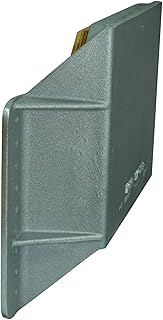
The Mini Jacker is a clamp-on jack plate designed for small outboard motors up to 35 HP, offering a 4-inch setback and a 3-inch vertical offset. This combination helps boats achieve quicker planing and enhanced stability at speed. The clamp-on design simplifies installation and reduces the need for permanent modifications, making it a practical option for Jon boats with limited transom depth.
Designed for versatility, this jack plate supports various small engines and focuses on performance improvements without heavy-duty rework. It can help raise the mounting position to reduce drag and improve prop efficiency in shallow conditions. As with all transom-mounted devices, careful alignment and secure fastening are critical to maintaining directional control and preventing vibration at higher speeds.
Mindoub 5″ Jack Plates For Outboard Motor
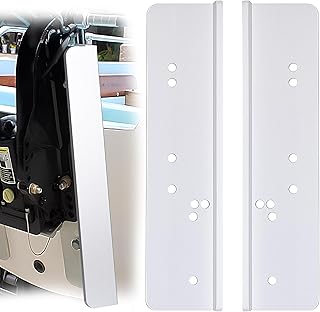
This 5-inch lift and plate extension set is designed for outboard motors on Jon boats and similar craft, enabling a higher engine mounting height for improved shallow-water operation. The raised position can help reduce bow rise during acceleration and enable the boat to ride more efficiently on the water. The kit is described as suitable for port and starboard use, offering flexibility for adjusting engine tilt and balance to suit different loads.
In practice, a 5-inch lift can significantly change water flow dynamics around the propeller and skeg, which may translate to better hole shot and cruising efficiency in shallow bays. Potential drawbacks could include increased trim requirements and weight distribution changes, so users should verify their transom strength and fitment with the motor horsepower and shaft length. Proper installation is essential to maximize performance gains.
Buying Guide: How To Choose The Right Transom Riser For A Jon Boat
Key considerations help determine which transom riser best matches a Jon boat’s design and its typical use case.
- Engine compatibility: Confirm the motor’s horsepower, shaft length, and mounting method (clamp-on vs. bolt-through) before selecting a jack plate. For small motors up to 35 HP, most 4″ setback units are appropriate.
- Setback versus lift: Setback moves the engine away from the transom to reduce cavitation and improve prop efficiency. Lift (vertical offset) increases water clearance and helps in shallow water, but may alter trim and handling.
- Material and durability: Cast aluminum is common for marine use due to corrosion resistance and strength-to-weight ratio. Look for marine-grade options if you operate in saltwater or brackish environments.
- Installation and compatibility: Some products include mounting blocks or blocks for wood transoms. Ensure alignment with your transom’s thickness and structural integrity to prevent flex or movement during operation.
- Performance goals: If your priority is faster takeoff and reduced bow rise, a higher setback with careful trim can help. If you operate in very shallow waters, a larger lift may provide critical clearance for the prop and skeg.
Comparative Performance Perspectives
For shallow-water Jon boats, the primary advantages of transom risers include improved acceleration, reduced cavitation, and better prop efficiency. Users often note a more stable feel during takeoff and quicker hole shots when the engine is mounted higher. A larger setback can enhance planing at the expense of deeper water drag, while additional lift helps in shallow runs but may require adjusted trim settings for optimal handling. Material quality, mounting compatibility, and proper installation are consistently highlighted as critical factors in achieving the expected performance improvements.
In choosing between options, consider your typical water depth, load distribution, and whether you prioritize a simple, clamp-on solution or a more permanent mount with wood or composite transom blocks. Always verify the engine’s shaft length and ensure that the chosen plate does not interfere with steering systems or steering torque at higher speeds.