If you’re sourcing a knock sensor relocation or delete kit, you’ll want parts that fit your Gen III LS engine family and deliver reliable sensor relocation, easy wiring, and durable materials. This guide highlights five top kits and explains who each is best for. It helps buyers compare installation difficulty, compatibility, and durability for common LS engine codes like LS1, LM7, LR4, LQ4, LS6, L59, LQ9, and LM4.
Summary of selected products
| Product | Best For | Key Benefit |
|---|---|---|
| Professional or DIY with space constraints | 36″ relocation harness and precise Gen 3 compatibility | |
| OEM-like integrity, multiple GM models | Premium connectors and gaskets for long life | |
| All-in-one replacement for multiple GM trucks/SUVs | Complete kit with replacements and gaskets | |
| Simple plug-and-play replacement | Two sensors with harness, OEM-style fit | |
| Flexible mounting and 36″ harness | 6061 billet aluminum brackets, easy relocation |
CNRAQR Gen 3 Knock Sensor Relocation Brackets
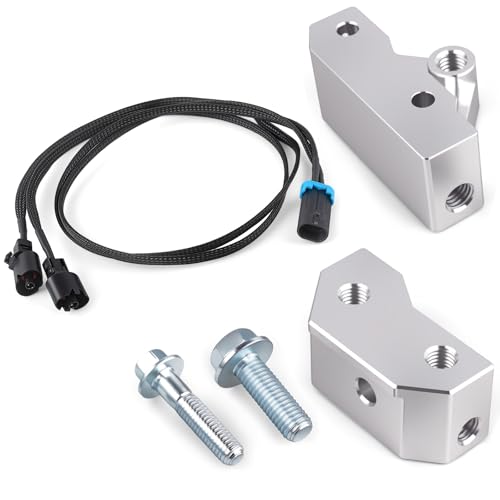
- Brand: CNRAQR
- Compatible with: Gen 3 knock sensors; engine codes LS1 LS6 LQ4 LQ9 LM7 LR4 L59, LM7, LS6, L33
- Notes: M10 thread; not compatible with Gen 2 or Gen 4; installation often requires removing surrounding components
Best for: Builders needing a tight-space relocation solution for Gen 3 LS engines. Opt for pro installation if space is constrained. Limitation: Some models may require intake removal for access.
Gledewen Dual Knock Sensors With Harness Kit

- Brand: Gledewen
- Fits: 4.8L/5.3L/6.0L GM vehicles including Silverado, Suburban/Tahoe, Sierra, Escalade, Hummer
- Notes: Includes sensor harness with tin-plated brass terminals and rubber gaskets; replaces OE numbers listed
Best for: Vehicles needing an OEM-like seal and durable sensors across multiple GM trucks and SUVs. Caution: Confirm exact model year and engine size for compatibility.
CHENHO Dual Knock Sensor Kit With Harness

- Brand: CHENHO
- Replaces OE numbers: 12601822, 12589867, 10456603, and more
- Notes: 100% accelerometer vibration testing; designed for GM trucks/SUVs with 4.8L-6.0L engines
Best for: Those seeking a full kit that matches factory wiring and gaskets; includes multiple OE references for compatibility. Caution: Always confirm engine code and year to ensure precise fitment.
Dorman 926-084 Knock Sensor Kit

- Brand: Dorman
- Includes: Two knock sensors and wiring harness
- Notes: Plug-and-play installation; original wiring harness compatibility
Best for: Quick, straightforward replacement when you want OEM-like fit and simple wiring. Limitation: May not cover every model year without verifying OE part numbers.
jasperautopart Knock Sensor Relocation Brackets
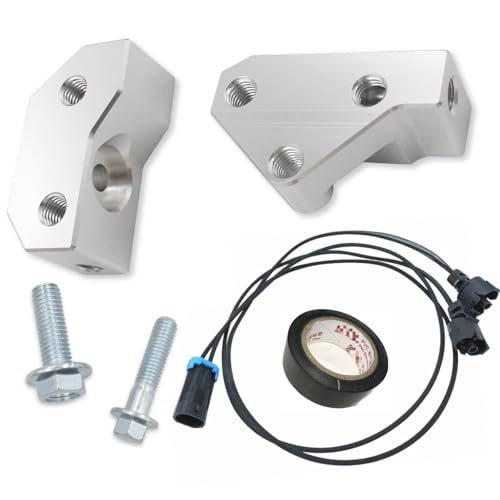
- Brand: jasperautopart
- Compatible engines: Gen III LS V8 (LS1, LM7, LR4, LQ4, LS6, L59, LQ9, LM4, L33)
- Notes: 36″ extension harness; billet aluminum brackets
Best for: Drivers needing flexible mounting positions and a robust aluminum bracket kit. Caution: Some 4WD setups require both sensors on the passenger side bracket.
CHENHO 41-Inch Extension Harness Kit

- Brand: CHENHO
- Includes: 2 aluminum brackets, 41″ harness, mounting bolts
- Notes: Designed for Gen III sensors and OEM harness compatibility
Best for: Users needing extra length to relocate sensors without removing the intake manifold. Caution: Pro installation recommended for tight spaces.
Buying Guide: Key Considerations For Knock Sensor Relocation Kits
Compatibility: Verify engine code and model year. Gen III LS engines include LS1, LM7, LR4, LQ4, LS6, L59, LQ9, LM4, L33. Some kits specify limited compatibility with 4×4 configurations or require sensors on a specific side of the engine.
Installation Difficulty: Some kits require professional installation due to tight spaces or removal of surrounding components. Others are designed for plug-and-play or with longer harnesses to minimize manifold removal.
Materials And Durability: Look for CNC-machined billet aluminum brackets or corrosion-resistant terminals. High-quality gaskets and harnesses help prevent leaks and electrical noise in harsh engine environments.
Harness Length and Routing: Extended harnesses (36″ or 41″) enable relocation without disassembly of major components. Ensure the length accommodates your chosen sensor positions and hood clearance.
Included Components: Kits may include brackets, gaskets, bolts, and gloves. Some products replace OE numbers directly; others offer generic compatibility lists. Confirm what is included before purchasing.
Best Practices: When in doubt, consult a professional to avoid grounding or sensor placement issues that could affect engine management systems. Check for any vehicle-specific notes like 4WD sensor placement requirements.
FAQ: Quick Answers For Buyers
- What is a knock sensor relocation kit? It relocates knock sensors from their factory location to more accessible areas, often using an extended harness to accommodate the new position.
- Are these kits compatible with all Gen III LS engines? Most kits target Gen III LS engines (LS1, LM7, LR4, LQ4, LS6, L59, LQ9, LM4, L33). Always verify engine code and year before purchasing.
- Do I need professional installation? Some installations are straightforward with plug-and-play harnesses, while others require space clearance or intake removal. Follow manufacturer notes on installation difficulty.
- Will relocating sensors affect OEM engine management? Reputable kits are designed to maintain OEM performance standards when installed correctly, but improper installation can affect sensor readings.
- What is the benefit of a longer harness? Longer harnesses provide flexibility for sensor placement, reducing the need to move major components and allowing better routing in tight engine bays.
- Are aluminum brackets necessary? Aluminum brackets offer durability and heat resistance, improving long-term reliability in high-temperature engine bays.