If you’re searching for a liquid glass sealant to repair head gasket leaks, this guide identifies practical options that work with common cooling systems. These products are best for DIY enthusiasts, weekend DIYers, and automotive hobbyists who want a one-step fix or a heavy-duty sealant for stubborn leaks. The list highlights products that seal head gaskets, blocks, radiators, and related seals with varying heat tolerance and compatibility.
| Product | Best For |
|---|---|
| Bar’s Leaks HG-1 Head Seal | Blown head gasket and intake gasket leaks; all coolant types |
| Blue Magic 1008-24PK Liquid Glass | Permanent cooling system sealing; high-heat tolerance |
| Bar’s Leaks Block Seal Head Gasket Fix | Gasket leaks, cracked blocks, and seals with no draining |
| ABRO Super Seal, 11.4 oz. | Copper-infused liquid glass for blocks, heads, radiators |
| Steel Seal Blown Head Gasket Fix | DIY head gasket failure repair; wide automotive usage |
Bar’s Leaks HG-1 Head Seal Blown Head Gasket Repair

Best for engines that idle for about 15 minutes without overheating. This one-step formulation is designed to seal head and intake gasket leaks and is compatible with all 50/50 coolant blends. It’s especially suitable for drivers who want a quick, antifreeze-compatible remedy without draining the cooling system.
Who it’s best for: casual DIYers facing a coolant leak from a blown head or intake gasket who need a simple, fast-sealing solution. Limitations: effectiveness depends on leak severity and proper idle time to allow sealing action.
Blue Magic 1008-24PK Liquid Glass Metallic Seal-Up

Best for long-term sealing with high heat tolerance. This liquid glass formula provides a permanent seal for engine blocks, radiators, heater cores, freeze plugs, and related seals, tolerating temperatures up to 2000°F. It’s a solid option when you need a robust, lasting fix for multiple cooling-system leaks.
Who it’s best for: builders seeking a durable, high-heat sealer that can address multiple leaks in one application. Caution: concentrate on proper application according to directions to ensure full cure and sealing.
Bar’s Leaks Block Seal Head Gasket Fix
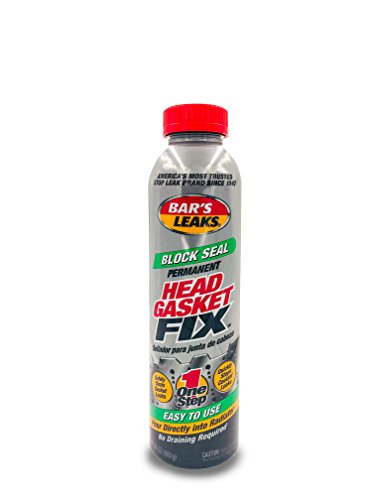
Best for sealing head gaskets, cylinder heads, intake gaskets, cracked blocks, and freeze plugs. The one-step formula uses antifreeze-compatible sealing liquid with particles that penetrate gaps and harden under heat for a durable seal. No draining is required if the engine can idle for about 20 minutes without overheating.
Who it’s best for: drivers dealing with multiple seal leaks in aluminum or cast-iron engines. Limitation: effectiveness relies on sufficient idle time and leak exposure to hot seals for curing.
ABRO Super Seal, 11.4 oz.

Best for permanent sealing with copper-reinforced liquid glass. This formula targets holes and cracks in engine blocks, heads, radiators, and related components, delivering a robust, long-lasting seal under extreme conditions. It’s a strong pick when permanence is a priority.
Who it’s best for: enthusiasts needing a durable, copper-enhanced solution for persistent leaks. Caution: verify compatibility with your engine materials and coolant before use.
Steel Seal Blown Head Gasket Fix Repair Sealer

Best for DIY head gasket failure repairs. This “do-it-yourself” pour-in sealant is widely used in auto shops and by individuals to stop leaks caused by damaged head gaskets. It’s a practical choice where quick, field-ready sealing is needed, with a focus on sealing capability rather than preventive maintenance.
Who it’s best for: those seeking a straightforward, pour-in solution for head gasket fixes. Limitation: results can vary with engine design and severity of the gasket damage.
Buying Guide
What type of leak are you addressing? For minor leaks or seepage, a fast-acting sealant such as HG-1 or Block Seal may provide a quick fix. For extensive damage or high-heat environments, a copper-reinforced or high-heat formula like ABRO Super Seal or Blue Magic Liquid Glass offers more durable sealing.
Key considerations
- Compatibility: Check coolant compatibility and whether the product supports your engine material (aluminum vs. cast iron).
- Heat tolerance: Higher-temperature formulas perform better in engines with severe thermal cycling.
- Method: Some products require no draining; others need a specific idle time to cure.
- Leak type: Narrow cracks or holes may respond better to one-step sealants, while broad cracks may require more robust solutions.
- Application scope: Some sealants address multiple seals (head, intake, radiator), which can save time and effort.
Common questions
- Are these products a guaranteed fix for head gaskets?
- Can I drive after applying a sealant?
- Will sealants void my vehicle warranty?
- How long should I idle the engine after application?
- Do these sealants work with all antifreeze types?
- Is a professional diagnosis recommended before use?
Usage tips
- Follow the product directions precisely for idle time and cooling periods.
- Ensure the cooling system is clean and free of debris if the product instructs a flush or flush-free method.
- Monitor temperature and coolant levels after application to avoid overheating.
FAQ
- Q: Which product is best for a suspected blown head gasket? A: Bar’s Leaks HG-1 and Bar’s Leaks Block Seal are commonly chosen for immediate sealing of head gasket leaks and related components.
- Q: Can these products seal large cracks? A: They can seal smaller cracks and gaps; severe damage may require mechanical repair.
- Q: Are these safe with all coolant types? A: Most are antifreeze-compatible, but verify compatibility with your coolant type (OAT/HOAT, silicate-based, etc.).
- Q: Do I need to drain the cooling system before applying? A: Some products require no draining; others may require partial drainage or idle time for curing.
- Q: Will this fix be permanent? A: Permanence depends on leak size, heat exposure, and engine condition; some fixes last longer than others.
- Q: Should I still bring the vehicle to a mechanic? A: Yes, use sealants as a temporary or supplementary measure while planning a proper repair.