When choosing load bars for trucks, prioritize strength, adjustability, and fit to your vehicle. This guide highlights five top options that balance rugged build quality with practical features for commercial and personal use. Each pick targets different hauling needs—from compact pickups to full-size trailers—so you can match the bar to your typical load and vehicle type. The following selections emphasize secure cargo, quick setup, and reliability on rough roads or long hauls.
Buyer needs may vary: heavy-duty industrial haulers benefit from high capacity and wide ranges; weekend DIY movers need quick, tool-free adjustments; and owners of SUVs or compact pickups may prefer compact, easy-to-store solutions. The table below summarizes five strong contenders and their core strengths to help you compare at a glance.
| Product | Best For | Key Benefit |
|---|---|---|
| DC Cargo Mall Heavy-Duty Adjustable Load Lock Bars | Enclosed vans, reefers, trailers | High 4,500 lb capacity with a wide 89″–104″ range |
| VEVOR Cargo Bar (89″–104″) | Trucks, trailers, semi-trailers | Fast 2-second adjustment and strong non-slip grip |
| Keeper Adjustable Cargo Bar (40″–70″) | Pickup trucks and SUVs | Easy 40″–70″ range with large grip pads |
| US Cargo Control E Track Load Bars (92″–103″) | Semi trailers & box trucks | Aluminum construction with thumb-release latch |
| Mytee Products 4 Pack Heavy Duty (89.75″–104.5″) | Semi trailers and enclosed truck boxes | 4-pack value with long extension and padded ends |
DC Cargo Mall Heavy-Duty Adjustable Load Lock Bars

The DC Cargo Mall set consists of four steel load lock bars built for demanding transport conditions. Each bar offers a 4,500 lb holding capacity, delivering strong restraint to prevent shifting, sliding, or rolling cargo. The adjustable span from 89″ to 104″ makes these bars suitable for enclosed vans, reefers, box trucks, and trailers, providing a universal fit for many commercial and personal vehicles. The ratcheting mechanism enables fast, tool-free tightening for quick securement. This option is best for buyers needing maximum securing power in large, boxy cargo spaces where gear shifts could occur during transit.
Who this is best for: fleet operators and long-haul haulers who regularly move heavy, bulky loads in enclosed trailers or vans. Why chosen: unmatched holding capacity combined with a wide adjustment range minimizes the number of different bars you need. Limitation: heavy bars may be less convenient for one-off, smaller cargo loads or compact trucks where space is tight.
VEVOR Cargo Bar (89″–104″)

VEVOR’s cargo bar spans from 89″ to 104″, designed for trucks, trailers, and semi-trailers. It features a quick 2-second ratchet adjustment and a safety clip that ensures the bar locks firmly, reducing the risk of loosening during transit. Its 4×2.4-inch rubber pads deliver a strong non-slip grip, helping the bar resist shifting on bumpy roads. This pick is better for users who prioritize rapid setup and solid grip with a broad fit range. Caution: ensure proper alignment of the end fittings with your vehicle’s anchor tracks to avoid misfit.
Who this is best for: operators seeking fast, tool-free setup and reliable holding power across a wide range of truck beds and trailers. Why chosen: the combination of a smooth ratchet, safety lock, and robust rubber pads supports secure loads with minimal effort. Limitation: designed for broader range; may be over-featured for smaller pickup beds where a compact bar would suffice.
Keeper Adjustable Cargo Bar for Pickup (40″–70″)

This Keeper bar is built for pickup trucks and smaller trucks, with an adjustable 40″ to 70″ length and large rubber grip pads. It serves as a solid alternative to ratchet straps by offering a quick instrument-free setup and dependable grip. It’s best for standard truck beds and mid-size loads where easy re-positioning and simple operation matter most. Limitation: may not be sufficient for very wide trailers or heavy, shifting loads without additional securing methods.
Who this is best for: daily drivers and small to mid-size pickup owners who value quick setup and non-slip performance. Why chosen: strong grip and simple adjustment suit typical cargo applications without overkill for moderate loads. Caution: check fit against your specific bed width to ensure full extension without binding.
VEVOR Cargo Bar (40″–73″)

This VEVOR model offers a 40″ to 73″ length with sturdy carbon steel construction and non-slip padded feet. It’s designed to stop sliding in sedans and SUVs, making it a versatile option for everyday cargo needs. The powder-coated finish resists wear and corrosion, supporting long-term use. Choose this if you need a dependable bar for standard vehicle types that balances weight and strength. Limitation: not the widest range among the set, so verify your exact cargo area before purchase.
US Cargo Control E Track Load Bars (92″–103″)
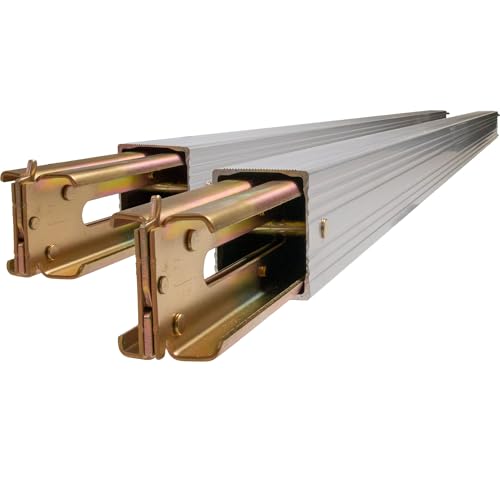
These aluminum E Track load bars are designed for semi trailers and box trucks, with a long 92″–103″ span and a working load limit of 2,200 lbs per bar. They feature zinc-plated end fittings and a simple thumb-release latch compatible with E-Track systems. This option is best for fleet setups that rely on standardized E-Track anchoring and need a reliable, lighter-weight bar. Limitation: aluminum construction, while strong, may not match the pure steel bars in ultimate load capacity.
Who this is best for: operators using E-Track systems on larger trailers who require a durable, easy-locking bar with standardized fittings. Why chosen: compatibility with E-Track makes installation and reconfiguration straightforward. Caution: ensure your trailer is equipped with compatible E-Track anchors and correct bar length.
Buying Guide
Key considerations help you pick the right load bar for trucks:
- Load capacity: Match the bar’s working load limit to the heaviest expected cargo. Higher capacity reduces risk of bar failure during sudden stops or rough roads.
- Adjustability range: Choose bars with a length span that fits your typical vehicle width and cargo space. Wider ranges reduce the need for multiple bars.
- Grip and end padding: Non-slip feet and padded ends prevent damage to cargo and vehicle while resisting movement on uneven surfaces.
- Material and finish: Steel bars offer maximum strength; aluminum bars reduce weight and may be easier to handle but still provide substantial strength. Powder coatings resist corrosion.
- Locking mechanism: Tool-free ratchets or thumb-release latches enable fast securement and quick removal, important for time-sensitive loads.
- Compatibility: Some bars are designed for specific anchor systems (E-Track, A-Track, etc.). Ensure compatibility with your trailer or truck bed.
- Storage and portability: For frequent movers, consider pack sizes and whether bars fit easily in your vehicle’s storage spaces when not in use.
Practical tips for usage
- Place bars against the cargo’s heaviest edge to reduce tipping risk.
- Always check for secure lock engagement after tightening.
- Inspect rubber pads for wear; replace pads if grip diminishes.
- Combine load bars with other restraints (straps, dunnage, or nets) for added security on long hauls.
FAQ
- What load bar length should I choose for a pickup truck? — Pick a bar that covers the bed width with some overlap to minimize cargo movement, typically 40″ to 70″ for most pickups, or the full 89″–104″ range for larger trucks.
- Are aluminum bars as strong as steel bars? — Aluminum bars are lighter and can be very strong, but steel bars often offer higher maximum load and stiffness for heavy payloads.
- Do I need a bar with a quick-release mechanism? — Quick-release or tool-free ratchets speed setup and reconfiguration, especially when you frequently load and unload gear.
- How do I prevent damage to my cargo from load bars? — Use padded feet, proper securing techniques, and distribute weight evenly to avoid pressure points.
- Can I use load bars for non-truck uses? — Yes, many bars work for SUVs, vans, and trailers; verify length, fit, and anchor compatibility for safe use.