Answer: Choose a lithium-based or point-and-spray lubricant designed for metal-on-metal parts to reduce friction, prevent rust, and extend your garage door’s life. Top picks below target common spring and hinge lubrication needs, with guidance on who each product is best for. Ideal buyers include DIY homeowners wanting a quick, clean spray, professionals seeking long-lasting protection, and budget-conscious shoppers needing versatile, multipurpose options.
Summary table of selected products:
| Product | Best For | Why It Stands Out |
|---|---|---|
| WD-40 Specialist White Lithium Grease Spray | Heavy-duty metal parts | Long-lasting protection across temperatures and tough applications |
| 3-IN-ONE Professional Garage Door Lubricant Twin Pack | Professional-grade lubrication | Premium formulation with precise spraying options |
| Gear Hugger Multipurpose Lubricant Spray | Eco-friendly, all-around use | Plant-based, no petroleum, versatile for many parts |
| AstraVox White Lithium Grease | Versatile metal lubrication | Moisture-resistant, broad use beyond doors |
| 400-HD Heavy-Duty Lubricant Spray | Hard-to-reach areas | 3-way nozzle for precise coverage |
WD-40 Specialist White Lithium Grease Spray with SMART STRAW SPRAYS 2 WAYS

Best for heavy-duty metal-to-metal applications such as hinges, gears, tracks, cables, and pulleys. The formula sprays evenly as a liquid and dries to a protective coating that resists run-off. It is safe across a wide temperature range, making it suitable for garage doors in varying climates. Use this when you need a robust, long-lasting film that prevents squeaks and rust. Caution: avoid over-application on surfaces that attract dust, as residue can collect dirt over time.
3-IN-ONE Professional Garage Door Lubricant Twin Pack

Best for professional-grade lubrication needs. This twin-pack provides premium lubricant designed to prevent rust, squeaking, and friction on metal components such as hinges, tracks, chains, and pulleys. The smart straw offers precision streams or fan-shaped sprays for controlled application. Choose this if you want reliable, factory-quality performance and a residue-free finish. Limitation: while long-lasting, it may require more frequent reapplication in extremely dusty environments to maintain quiet operation.
Gear Hugger Multipurpose Lubricant Spray
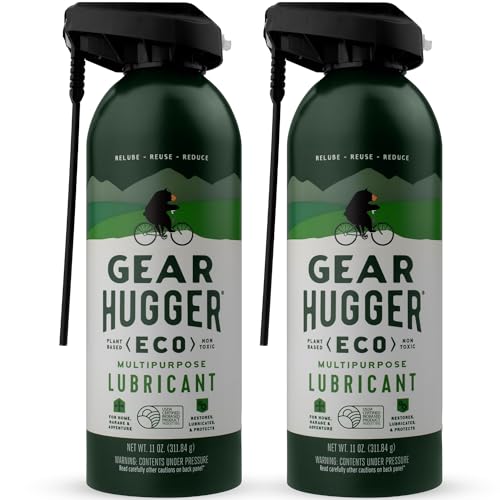
Best for eco-conscious buyers needing a versatile, all-in-one solution. This plant-based formula avoids petroleum and provides durable lubrication for garage doors, tracks, hinges, and other moving parts. It outlasts typical silicone sprays and reduces squeaks on contact. Caution: being multipurpose, it may have a slightly different residue feel than pure door-specific products in very sensitive systems.
AstraVox White Lithium Grease with Brush

Best for users needing a versatile, long-lasting white lithium grease. This lubricant creates a moisture-resistant barrier that prevents rust and corrosion while offering broad use for hinges, gears, chains, and other metal components. It’s suitable for automotive, marine, and home equipment beyond garage doors. Caution: brush applicator helps with targeted use but may require cleanup to prevent drips on adjacent areas.
400-HD Heavy-Duty Garage Door Lubricant Spray

Best for hard-to-reach areas and year-round protection. Its three-way nozzle system enables precise application to tight spots, providing rust and corrosion protection and helping free stuck components in cold weather. Choose this when you need targeted coverage in challenging locations. Limitation: the nozzle may require guidance for first-time users to achieve optimal spray angles.
Buying Guide: Key Considerations For Choosing The Right Garage Door Lubricant
What type of lubricant should I choose?
Liquid lithium greases form durable films that resist moisture and provide long-lasting lubrication for metal parts. Sprays with smart straws allow precise application in narrow gaps. For metal-on-metal parts like springs and tracks, lithium-based products are commonly preferred.
Multipurpose vs. door-specific products
Multipurpose sprays work well for entire workshop needs, offering value if you service multiple devices. Door-specific formulations are often optimized for quick drying, residue-free finishes, and minimal attraction of dust—beneficial for a cleaner door system.
Temperature and environmental considerations
Some formulas withstand extreme cold or heat. If you store or operate in freeze-prone areas, pick a product with a broad temperature tolerance to avoid stiff springs or reduced lubrication performance.
Application method and ease of use
Smart straw or twin-pack options can improve precision, reducing overspray on doors and nearby surfaces. A nozzle designed for tight spaces helps reach hinges and spring anchor points more effectively.
Residue, dirt attraction, and cleaning
Choose a fast-drying, non-sticky formula to minimize dirt attraction. residue-free or light films prevent dirt buildup that can hinder moving parts over time.
Long-term maintenance and replacement cycle
Understand how often you will re-lubricate. Heavier-duty products may last longer between applications, while lighter sprays might require more frequent use in high-use doors.
Safety and user considerations
Follow product instructions, keep away from open flames, and avoid skin contact when possible. Some formulas are petroleum-based; others are plant-based. Pick a product family that aligns with your environmental preferences and any local safety guidelines.
Quick tips for best results
- Clean and dry spring surfaces before applying lubricant.
- Apply a light, even coat to moving parts; avoid over-lubing.
- Lubricate hinges, tracks, and cables while the door is in a mid-position for easier access.
FAQ
- What lubricant is best for garage door springs? A lithium-based grease or a high-performance garage door spray designed for metal-to-metal contact provides durable protection and reduces friction on springs. Look for products labeled for hinges, tracks, and springs.
- How often should garage door lubricants be reapplied? In normal conditions, every 6–12 months is common, with more frequent use in high-traffic doors or dusty environments.
- Can I use any spray on garage door springs? Use sprays formulated for metal parts and avoid penetrating oils that can attract dust or cause residue buildup on moving components.
- Is it better to use one multipurpose product or separate door-specific lubricants? Multipurpose products offer convenience, but door-specific lubes may provide longer-lasting protection and cleaner operation for garage doors.
- Are eco-friendly lubricants effective for garage doors? Yes, plant-based or non-petroleum formulas can provide solid lubrication with less environmental impact, though performance may vary by product and environment.
- Should I lubricate hinges and tracks in addition to springs? Yes, lubricating all metal-on-metal contact points—hinges, tracks, pulleys, and springs—helps ensure smooth, quiet operation across the system.