If your garage door rails squeak, stick, or resist opening, the right lubricant can restore smooth, quiet operation. This guide highlights five top options suited for different needs—from fast-drying sprays to heavy-duty greases. Choose based on door material, climate, and maintenance habits. Below is a quick comparison table of the selected products to help you decide at a glance.
| Product | Best For | Key Benefit |
|---|---|---|
| 3-IN-ONE Garage Door Lubricant with SMART STRAW | Residential doors, quick fixes | Two spray modes for precise application |
| WD-40 Specialist White Lithium Grease | Heavy-duty metal-to-metal parts | Long-lasting protection, wide temperature range |
| Gear Hugger Multipurpose Lubricant Spray | Multi-use, eco-friendly options | Long-lasting grip, reduces dust attraction |
| White Lithium Grease, Bellisinno | Outdoor and marine environments | Moisture protection and corrosion resistance |
| 400-HD Heavy-Duty Garage Door Lubricant Spray | Hard-to-reach areas, all-weather use | Three-way nozzle for precision |
Best Overall: 3-IN-ONE Garage Door Lubricant

Best for: homeowners needing a ready-to-use, fast-drying lubricant with adjustable spray options. This 11 oz formula covers hinges, tracks, and other moving metal parts to keep doors moving and free from corrosion. It dries quickly and leaves a non-sticky film, reducing dirt accumulation over time. Caution: avoid over-application on non-metal surfaces to prevent residue buildup.
Professional Grade: 3-IN-ONE With Smart Straw Twin Pack

Best for: extra coverage and precision in larger garages or commercial setups. This twin-pack provides durable protection to prevent rust, friction, and squeaks. The intelligent straw enables both precision streams and fan sprays, ideal for hard-to-reach areas. Caution: residue can attract dust if overused in dusty environments.
All-Purpose Strength: WD-40 Specialist White Lithium Grease

Best for: heavy-duty metal-to-metal lubrication requiring a thick, dry-setting coating. This formula resists running off and works across hinges, tracks, sprockets, and door rails. It remains effective from freezing to high temperatures. Caution: can be heavier than needed for light, residential openings; use sparingly on delicate parts.
Eco-Friendly Option: Gear Hugger Multipurpose Lubricant
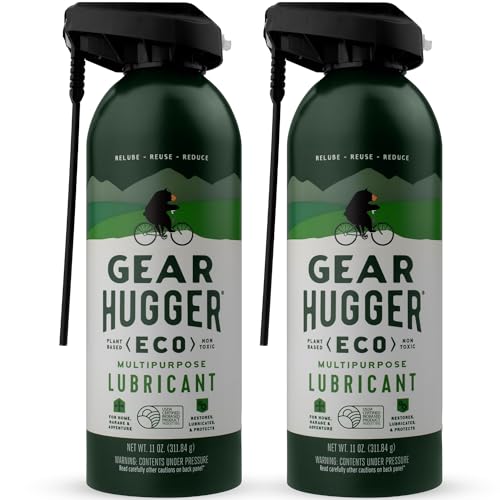
Best for: households seeking an eco-friendly spray that handles a range of tasks from garage doors to sliding tracks. It uses a plant-based, petroleum-free formula that resists dust buildup and provides long-lasting lubrication. Caution: may require reapplication sooner in very dusty environments to maintain quiet operation.
Durable Protection: Bellisinno White Lithium Grease

Best for: environments with moisture exposure, outdoor gates, and garage door components that face humidity. The formula provides strong moisture protection and corrosion resistance, helping to extend component life. Caution: may feel thicker to apply on light-duty hinges compared with lighter sprays.
All-Weather Performance: 400-HD Heavy-Duty Lubricant

Best for: hard-to-reach areas and year-round protection. The three-way nozzle system helps apply lubricant precisely to tracks and hinges, freeing stuck components and protecting against rust. Caution: its heavier formula may require wipe-down if used on delicate parts.
Buying Guide: Key Considerations For Garage Door Rail Lubrication
- What type of lubricant do I need?
- Lightweight sprays dry quickly and attract less dirt—great for regular maintenance on residential doors.
- White lithium greases offer longer-lasting protection but can feel heavier; good for high-use or outdoor environments.
- Where will you apply it?
- Tracks, hinges, and pulleys benefit from sprays with precision nozzles to avoid over-application.
- Hard-to-reach areas may require a straw or three-way nozzle for targeted coverage.
- Environment and climate considerations:
- Cold or humid climates prefer lubricants that resist moisture and perform well at low temperatures.
- Outdoor doors benefit from corrosion-resistant formulas and moisture barriers.
- Residue and cleanliness:
- Non-sticky formulas reduce dirt buildup. Avoid products that leave oily residues on tracks or rollers.
- Longevity and maintenance interval:
- Heavier lubricants last longer but may need less frequent reapplication depending on use and environment.
- Lightweight sprays often require more frequent follow-up applications for optimal quiet operation.
FAQ
- How often should I lubricate my garage door rails?
Typically every 6 months for normal use, or sooner if you hear squeaks or notice stiffness.
- Can I use automotive grease on garage door rails?
Not recommended. Automotive greases can attract dirt and cause buildup on tracks; use purpose-made garage door lubricants.
- Is it okay to apply lubricant to wood gate tracks?
Yes, but choose a non-resinous, low-residue formula to prevent staining or residue on wood surfaces.
- What’s the difference between spray lubricants and lithium grease?
Sprays are convenient for quick application and precision; lithium grease offers longer-lasting protection but is thicker and may attract more dust.
- Should I lubricate metal tracks only?
No. Lubricate hinges, pulleys, rollers, and screws as part of a full maintenance routine to minimize friction and noise.
- Can I use the same product for multiple home systems (garage door, treadmill, bike chain)?
Many products advertise multi-use; confirm label guidance to ensure compatibility with each system’s materials.