Answering the need for better lubrication in low-sulfur diesel, these additives help protect pumps and injectors while improving cetane and cleaning deposits. The top picks below target different buyers—from heavy-duty fleet operators to everyday drivers—based on usage, compatibility, and delivery format. Each product is chosen for clear lubricity benefits, compatibility with ULSD, and practical dosing at fill-up. Use this guide to compare options and select the best fit for your diesel engine.
| Product | Best For | Key Benefit |
|---|---|---|
| Archoil AR6500 Diesel Treatment (40 oz) | All diesel engines, including HPCR | Improves lubricity, injector protection, and deposit control |
| Stanadyne 38561 Diesel Lubricity Formula (64 oz) | OEM-approved fleets and wear-prone systems | High lubricity content, OEM-approved |
| Hot Shot’s Secret Everyday Diesel Treatment (EDT) 16 oz | Everyday drivers seeking cleaner fuel and better cetane | 6-in-1 formula; cetane boost and injector cleaning |
| 1 FPPF Lubricity Plus Fuel Power Diesel Treatment (32 oz) | Budget-conscious users needing water dispersal and lubricity | Water dispersal, cetane boost, lubricity; cleaner injectors |
| Archoil AR6500 Diesel Treatment (10.1 oz, 4-pack) | Easy, quick dosing and storage for fleets | Four-pack; treats up to 400 gallons total; lubricity boost |
Archoil AR6500 Diesel Treatment (40 oz)

Archoil AR6500 offers a straightforward dosing method at every fill-up and claims a 43% improvement in lubricity per ASTM D6079 testing. Best for all diesel engines, including modern HPCR systems, it supports wear-prone components like high-pressure fuel pumps. Vigorous users planning regular dosing at each refill will appreciate the long-neck bottle and built-in measuring chamber. A potential limitation is the need for consistent, per-tump dosing to maximize lubricity gains over time.
Stanadyne 38561 Diesel Lubricity Formula
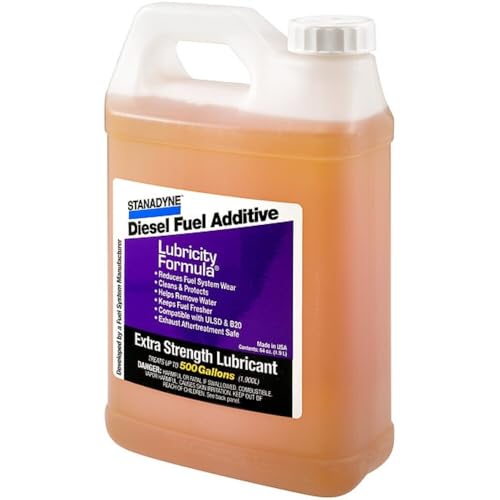
Stanadyne’s formula is OEM-approved and contains a higher lubricity content compared with many competing additives. It is particularly recommended when wear is a concern in diesel systems, offering strong protection for pumps and injectors. Best for fleets or owners seeking OEM-backed solutions. A caveat is that some users may prefer additives with more visible cetane boosts or additional cleaning agents, depending on engine condition.
Hot Shot’s Secret Everyday Diesel Treatment EDT

EDT is designed for everyday use with a 6-in-1 formula that cleans fuel-system deposits, boosts cetane, and improves lubricity. It is a practical choice for drivers seeking better throttle response and smoother operation without complex dosing. Choose this if you value regular cleaning and a refined cetane boost. A limitation is that cetane increase is modest compared to specialized performance-focused blends.
1 FPPF Lubricity Plus Fuel Power Diesel Treatment

FPPF Lubricity Plus combines lubricity with water-displacing properties and a cetane boost. It’s a solid option when injector cleanliness and lubricity are priorities, especially in lower-quality fuels. Best for budget-conscious buyers who still want noticeable lubricity gains. Limitation: the product volume may require more frequent dosing for high-mileage fleets.
Archoil AR6500 Diesel Treatment (10.1 oz, 4-pack)

This four-pack provides compact dosing and storage advantages while delivering the same 400-gallon coverage across all four bottles. Best for fleet managers who want predictable dosing logistics and bulk savings. A potential limitation is that smaller bottles may be less convenient for occasional users who prefer single-use packs.
Buying Guide
What should I look for in a lubricity additive for low-sulfur diesel?
- Compatibility: Confirm the additive is suitable for ULSD and HPCR engines if applicable to your vehicle.
- Lubricity boost: Check ASTM D6079 lubricity improvements and how it protects high-wear components like fuel pumps.
- Cleanliness: Consider additives that also clean injectors and deposits to improve performance.
- Cetane impact: If you want quicker starts and smoother combustion, note the cetane boost offered.
- Delivery format: Choose bottles, squeeze bottles, or multi-pack options based on your refueling routine and storage space.
How to use
Follow the dosing instruction on the bottle at every fill-up or per the manufacturer’s recommendation. Pour directly into the fuel tank, then fill with diesel. Use a consistent dosing routine to maximize long-term lubricity gains and injector cleanliness.
Performance considerations
In practice, lubricity additives for low-sulfur diesel aim to reduce wear, minimize injector deposits, and improve overall fuel-system durability. The best option depends on engine type, operating conditions, and maintenance practices. For fleets, a regular, easy-to-dose format with verified lubricity benefits tends to offer the greatest value.
FAQ
- Can these additives improve lubricity in all diesel engines?
- Will I see an immediate benefit after one fill-up?
- Do these additives replace fuel filters or maintenance?
- Is a cetane boost always included?
- Are OEM-approved additives better?
- Can I use more than one additive at once?
Most additives are designed for common diesel engines, including light- and heavy-duty models, but always verify compatibility with your specific engine and fuel system.
Some users notice smoother operation and cleaner injectors after the first use, while sustained dosing over multiple fills typically yields the best long-term protection.
No. They support lubricity and cleanliness, but regular maintenance and proper filtration remain essential.
Not all formulations focus on cetane; some emphasize lubricity and cleaning, while others include a cetane boost component.
OEM-approved options provide assurance aligned with manufacturers’ wear protection standards, which can be advantageous for warranty considerations.
It is not typically recommended to mix multiple additives without manufacturer guidance due to potential interactions and dosing limits.