Looking for durable metal valve stems to upgrade your TPMS tires? This guide highlights five strong options that balance durability, fit, and ease of installation. Ideal for car owners who want long-lasting valve stems, performance-focused technicians, and DIYers replacing worn or corroded TPMS components. Each product section explains who it’s best for and why it stands out, plus practical cautions to consider before you buy. A concise buyer’s table at the top helps you compare key points at a glance.
Summary of chosen products
- Autel 4PCS Metal Valve Stem Kit for MX-Sensor, TPMS Tire Pressure Monitoring Sensor Valve Stem Repair Kit
- AULINK 4PCS Tire Pressure Sensor Valve Stem (TPMS) Repair Kit
- 4PCS Metal Valve Stems TPMS, Compatible with Tesla Tire Valves
- CKAuto 4 Pieces TR416 Metal Valve Stems
- Autel MXSENSORRVK Replacement Metal Valve Kit (Qty 4)
Autel Metal Valve Stem Kit for MX-Sensor

Best for Autel TPMS users with MX-Series sensors. This exact-fit valve stem kit is designed for a tool-free installation—click in, press out. It emphasizes high-precision, leak-proof air seals, matching the MX-Sensor head and ensuring stable tire pressure readings. Caution: confirm sensor compatibility before purchase if you are not using Autel MX-Series sensors.
AULINK TPMS Valve Stem Kit

Best for broad vehicle compatibility. These aluminum alloy stems are designed to fit many makes, including Audi, BMW, Toyota, Honda, Ford, Hyundai, Infiniti, Jaguar, Land Rover, and more. They pair with TPMS sensors for a secure, stable seal. Caution: installation is described as simple but involves removing the tire to replace stems, which may require appropriate tools and safety procedures.
4PCS Metal Valve Stems for TPMS (Tesla Compatible)

Best for Tesla TPMS systems. This black aluminum alloy kit includes metal and rubber gaskets plus fixing nuts to promote an airtight seal. It’s suitable for replacing worn stems and maintaining TPMS sensor performance. Caution: verify vehicle compatibility beyond Tesla to ensure full fit with your rims and TPMS hardware.
CKAuto TR416 Metal Valve Stems
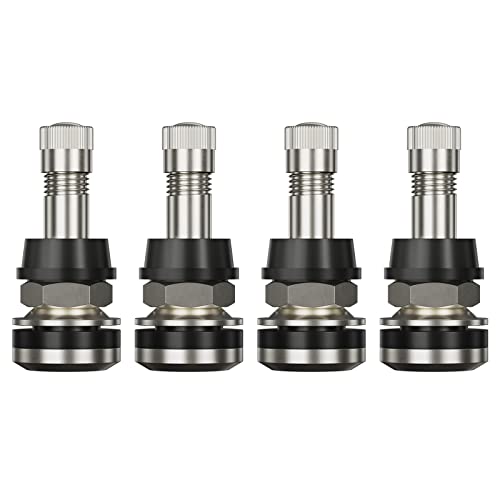
Best for longer valve life with brass cores and EPDM rubber seals. The TR416 stems fit both 453″ and 0.625″ rim holes and deliver a long 1.5″ effective length. They undergo air leak testing for safety. Caution: check rim hole size and sensor compatibility to ensure the stems fit your wheels properly.
Autel MXSENSORRVK Replacement Metal Valve Kit

Best for Autel MX-Sensor users seeking easy, tool-free replacement. This kit includes four press-in metal valve stems designed to work with Autel MX-Sensors and 315/433 MHz variants. The design supports quick swaps without dedicated valve-fittings tools. Caution: intended for MX-Sensor applications; confirm sensor compatibility if you use other TPMS systems.
Buying Guide: Key Considerations for Metal TPMS Valve Stems
- Compatibility: Ensure the stem matches your TPMS sensor brand and wheel rim size. Some stems are engineered for specific sensors (Autel MX-Series), while others are broadly compatible with many makes.
- Material and Seal: Look for aluminum or brass stems with durable gaskets (metal and rubber) for an airtight seal and corrosion resistance. A reliable seal reduces slow leaks and sensor errors.
- Installation Type: Press-in, bolt-on, or screw-in designs differ in required tools and steps. Tool-free options save time but confirm sensor compatibility.
- Rim Hole Size: Check rim hole compatibility (e.g., 0.453″ or 0.625″ holes). Incorrect hole sizing can cause fitment issues or leaks.
- Sensor Compatibility: Some stems are designed specifically for certain TPMS sensors (Autel MX-Sensors, Tesla TPMS, etc.). Verify before purchase.
- Durability and Service Life: Choose stems with corrosion protection and a long service life to minimize replacements and maintenance.
- Installation Safety: Replacing stems often requires tire removal and proper deflation. Follow tire and rim safety procedures or seek professional help if unsure.
Frequently Asked Questions
- What is a TPMS valve stem, and why replace it? – A TPMS valve stem seals the valve where air enters the tire. Replacing worn stems helps prevent air leaks and maintains accurate tire pressure readings.
- Are metal stems better than rubber? – Metal stems generally offer greater durability and resistance to wear and corrosion, but compatibility with your TPMS system is essential.
- Can I install TPMS stems myself? – Yes, if you have the right tools and follow safety guidelines. Some kits are tool-free for certain sensors, while others require tire removal and bolt or screw fittings.
- How do I know which stem fits my vehicle? – Check your TPMS sensor type, wheel rim hole size, and vehicle compatibility listed by the manufacturer. When in doubt, consult a professional.
- Do metal valve stems affect TPMS readings? – Properly fitted stems maintain consistent air pressure and sensor performance; ill-fitting stems can cause leaks or inaccurate readings.
- What’s the advantage of a kit versus individual stems? – Kits provide multiple stems with consistent seals and gaskets, simplifying replacement across multiple tires and ensuring compatibility with your TPMS sensors.