Choosing the right micro SD card for a dash cam means prioritizing endurance, reliable speed, and adequate capacity to fit long video recordings. The top picks below are best suited for drivers who want steady, long-term footage without hiccups. This guide highlights five cards optimized for dash cams and home monitoring systems, with notes on who each product is best for and any limitations to watch. A quick summary table follows to help compare at a glance.
| Product | Capacity | Endurance/Performance | Best For |
|---|---|---|---|
| SanDisk 256GB High Endurance | 256 GB | Very high endurance; 4K UHD support | Long-term dash cam recording for extended sessions |
| MindStor 64GB | 64 GB | Up to 90 MB/s read; A1 App Performance | Budget-friendly daily dash cam use |
| SanDisk 512GB High Endurance | 512 GB | Very high endurance; up to 40,000 hours | Long surveillance or multiple camera setups |
| SanDisk 128GB High Endurance | 128 GB | High endurance; up to 10,000 hours | Compact dash cam needs with solid endurance |
| Gigastone 128GB 2-Pack | 128 GB each | 4K capable; exFAT formatting guidance | Two-camera kits or backup cards |
SanDisk 256GB High Endurance for Dash Cams

This card is designed for dash cams and home monitoring systems with high endurance, enabling long recording times. It supports 4K UHD video but note that actual total hours vary by resolution. Best for drivers who need worry-free continuous recording for weeks or months without replacing cards.
Best for: Long-term dash cam footage in vehicles that operate continuously or in harsh conditions. Cautions: Endurance claims depend on recording settings and file size; 4K usage will reduce total hours compared to Full HD.
MindStor 64GB Micro SDXC for Dash Cams
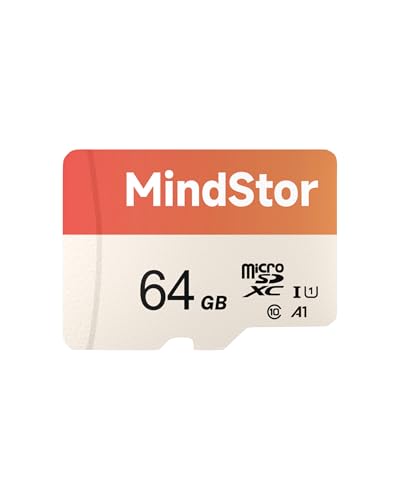
MindStor offers a compact option with fast read speeds up to 90 MB/s and A1 performance, making it suitable for dash cams that need quick file access and simpler daily transfers. It’s a practical pick for budget-conscious buyers who still want reliable Full HD recording and robust physical durability.
Best for: Budget-friendly daily dash cam use with dependable read speeds. Cautions: Actual speeds may vary with device conditions; ensure compatibility with your dash cam’s card formatting requirements.
SanDisk 512GB High Endurance for Dash Cams

This high-capacity card is built for extended dash cam use, offering endurance suitable for long recording horizons and even larger surveillance projects. Best for multi-camera setups or vehicles with prolonged driving hours, where storage capacity is a key constraint.
Best for: Dash cams that require substantial storage and long hours of continuous recording. Cautions: Higher capacity may come with longer initial formatting and setup steps in some devices.
SanDisk 128GB High Endurance for Dash Cams

With endurance designed for long recording hours, this 128 GB option offers a balanced size for dash cams that need reliability without excessive capacity. It’s a solid middle-ground card for drivers who want dependable performance without overinvestment.
Best for: Dash cams that require a dependable, mid-range storage solution. Cautions: 128 GB may fill quickly on high-resolution or extensive driving logs; consider higher capacity if you record long trips often.
SanDisk Ultra 256GB for General Expansion

This Ultra card is aimed at expanding storage quickly for a variety of devices, including dash cams that support high-capacity media without needing frequent swaps. While not a dedicated enduro line, it provides ample space for Full HD collections and mixed-use devices.
Best for: Users who want broad compatibility and large storage for mixed media use. Cautions: Not optimized for the longest dash-cam endurance scenarios; consider true endurance cards for continuous monitoring needs.
Gigastone 128GB 2-Pack

Gigastone offers a two-pack of 128 GB cards with 4K-ready performance and high endurance. It’s a practical solution for dash cam builders who want redundancy or for owners operating dual-camera setups. Note the need to format to FAT32 in legacy devices if required.
Best for: Dual-camera configurations or backup cards for dash cam systems. Cautions: ExFAT formatting may require device-specific adjustments; older cameras may need reformatting for compatibility.
Buying Guide: Micro SD Cards For Dash Cams
- Endurance matters: Dash cams rewrite video repeatedly. Choose cards labeled as high endurance or optimized for monitoring devices to maximize longevity.
- Capacity considerations: 128 GB to 512 GB suits most single-camera setups; 256 GB or more is preferable for longer trips or HD/4K recording.
- Speed class and performance: Look for U3 and V30 ratings for reliable 4K and high-bitrate recording; A1 or better helps when the card handles app-based features on smart dash cams.
- Device compatibility: Some cameras require exFAT formatting; others need FAT32. Check your dash cam’s manual for recommended file system formatting.
- Multiple cameras: If you run more than one camera, consider 2-pack or 4K-ready options to balance speed, endurance, and capacity across multiple cards.
FAQ
- What capacity is best for a dash cam? – For most users, 128–256 GB provides a good balance of cost and storage; 512 GB suits extended recording or multiple cameras.
- Do I need a high-endurance card for dash cams? – Yes, high endurance cards are designed for long rewrite cycles and reduce the risk of data loss during sustained recording.
- Can I use any micro SD card in a dash cam? – Not all cards are equal; verify the dash cam’s compatibility and supported speeds before purchase.
- Should I format the card before first use? – Follow device instructions; some cameras require exFAT, others FAT32. Formatting resets the card to the desired file system.
- Is 4K recording necessary for dash cams? – 4K offers higher detail but consumes space faster; choose based on your footage needs and storage plan.
- Can I reuse old cards in new dash cams? – Yes, as long as the card’s endurance and capacity meet the new device’s requirements and formatting needs.