Finding the right youth helmet means prioritizing safety, fit, and ventilation. This guide highlights five top options that balance protection with comfort for young riders, whether they’re racing dirt trails or cruising on streets. Each product is geared toward different riding styles and head sizes, helping parents choose what suits their child best.
Summary of featured products at a glance:
- ILM MF521: Strong safety standards with good ventilation for active kids.
- WOW Full Face Helmet: Lightweight, streamlined for everyday street riding.
- XFMT Dirt Bike Helmet: DOT-certified with breathable liner, great for hot days.
- ILM MT601Y: 4-in-1 gear set adds value for off-road and street use.
- Orthrus Youth: Full-face protection with lightweight comfort for long rides.
ILM MF521 Youth Full Face Helmet

Best for: active riders who need solid protection with reliable airflow. This helmet meets DOT FMVSS 218 and ECE22.06 standards and uses a lightweight ABS shell with a high-density EPS liner, providing strong head protection for dirt and street use.
Why selected: It combines upgraded safety standards with efficient ventilation to reduce heat buildup during long sessions. The large, high-definition visor improves visibility and helps shield eyes from dust and gravel.
Caution: Some wearers may prefer a more breathable liner for very hot days, as ventilation effectiveness can vary by helmet size.
WOW Motorcycle Full Face Helmet for Youth

Best for: young riders on street or BMX bikes who want a simple, lightweight full-face option. This helmet is DOT approved and designed in a matte black finish for a sleek look and measured fit for smaller heads.
Why selected: Its lighter weight and aerodynamic shell can help reduce fatigue on longer rides, with top and front ventilation controls for easy airflow management.
Limitation: The sizing listed as L (53-54 cm) may not fit all junior head shapes, so accurate measurement is essential before purchase.
XFMT Kids Dirt Bike Helmet

Best for: kids who ride dirt trails or off-road bikes and need reliable DOT safety with a lightweight feel. The helmet uses a high-impact ABS shell and a high-density EPS liner for durable protection.
Why selected: It emphasizes ventilation with three strategic vents and a washable liner for hygiene, which helps keep kids comfortable during hot rides.
Tip: The included removable padding should be washed regularly to maintain comfort and odor control.
ILM MT601Y Dirt Bike Helmet with Gear Set

Best for: riders who want extra value, including gloves, a balaclava mask, and goggles. The MT601Y offers a 4-in-1 gear set designed for off-road and street riding, with a lightweight helmet to ease long sessions.
Why selected: The combination of a DOT-certified shell and included accessories makes it a convenient all-in-one option for developing young riders exploring multiple riding styles.
Limitation: The full equipment set adds bulk; ensure it fits comfortably under riding gear for the child’s size and preference.
Orthrus Youth Dirt Bike Helmet
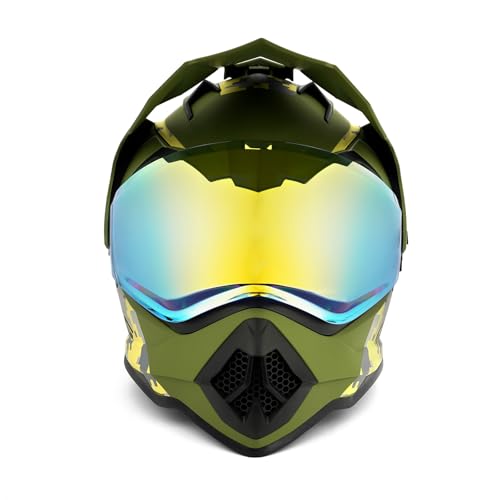
Best for: young riders who want a DOT-certified full-face helmet for off-road or motocross, with a focus on lightweight comfort during longer rides.
Why selected: The full-face design shields against wind, dirt, and debris, and the helmet is built for all-day wear with a balanced weight suitable for growing kids.
Note: Ensure the helmet size matches the child’s head measurements, as improper sizing can reduce protection.
Buying Guide
What to consider when choosing a youth motorcycle helmet:
- Safety standards: Look for DOT and/or ECE certifications to ensure baseline protection for dirt and street riding.
- Size and fit: Measure head circumference and check sizing charts carefully. A helmet should be snug but not restrictive, and should not move freely on the head.
- Ventilation: Adequate vents improve comfort on hot days and longer rides. Consider liners that are removable and washable for hygiene.
- Weight: Lighter helmets reduce strain on necks and shoulders, important for younger riders who may wear a helmet for extended periods.
- Field of view: A broad visor and good peripheral vision help with safety in traffic and trail environments.
- Included gear: Some models ship with goggles, gloves, or masks. Decide if added gear is valuable for your child’s riding style.
- Durability and materials: ABS shells with high-density EPS liners offer robust protection; avoid ultra-cheap builds that may crack under impact.
Practical buying questions
- Which helmet is best for dirt trails? Look for DOT or ECE certification with full-face protection and a lightweight shell to minimize fatigue on rough terrain.
- How important is a washable liner? Very important for hygiene and comfort on long sessions or hot climates.
- Should I buy an all-in-one gear set? If you want convenience and additional gear, a 4-in-1 set can be cost-effective, but verify fit for each item.
- How to ensure a correct fit? Measure the head correctly, try on with racing goggles or glasses, and ensure the chin strap holds snugly without pressure.
- What if the helmet is slightly loose? A snug fit is essential; consider cheek pad replacements or consulting the seller for a better size if available.
FAQ
- Are youth helmets required by law? Requirements vary by location; check state and local regulations for minors’ helmet use when riding.
- Can I use an adult helmet for my child? Adult helmets may not fit smaller heads securely; kids should use youth or child-specific sizes for proper protection.
- How often should helmet padding be replaced? If padding is worn or stained, replace it to maintain hygiene and fit.
- Do helmets need to meet both DOT and ECE standards? Meeting multiple standards can indicate broader protection; verify the certifications listed for each model.
- What is the benefit of full-face helmets for kids? Full-face helmets protect the face and chin from debris and impacts, especially on off-road and motocross riding.
- Can helmets be used in cold weather? Yes, but ensure proper ventilation control and adjust for comfort in different temperatures.