Answering the need for reliable tire valve stems, this guide highlights top options for quick, secure replacements. Practical for DIYers, shop technicians, and vehicle owners, the selected products cover snap-in rubber stems, brass metal stems, and complete tool kits. Each pick is suited to common tire setups and rim hole sizes, with notes on best uses, installation ease, and potential limitations.
The following table summarizes the five products chosen for straightforward comparison. It helps buyers quickly decide based on material, compatibility, and included tools.
| Product | Brand | Key Benefit | Best For | Notes |
|---|---|---|---|---|
| Riseuvo Stem Puller and Installer Kit | Riseuvo | Comprehensive tool set with multiple stems | DIYers needing a complete toolkit | Includes core remover tools and 4-way valve tool |
| Quacc 10 Pcs TR413 Rubber Stems | Quacc | Sturdy rubber stems with brass cores | Vehicles with 0.453″ rim holes | Check rim hole compatibility before purchase |
| CKAuto 4 Pcs TR416 Metal Stems | CKAuto | Brass, chrome finish, durable | Long-lasting, pressurized tires | Fits 0.453″ and 0.625″ holes |
| ecocstm 5 Pcs TPMS Valve Stems | ecocstm | Integrated with TPMS compatibility | TPMS-equipped vehicles | Copper-nickel spool, durable rubber |
| ZHSMS 40Pcs Valve Stem Set | ZHSMS | Large kit with multiple heads | Pro and frequent replacement work | Includes 4-way tool and cores |
Riseuvo Stem Puller and Installer Kit

The Riseuvo kit combines a valve stem puller installer with multiple stems (TR412, TR413, TR414) plus valve cores and core tools. This is best for buyers who want a one-stop package that supports snap-in tubeless tires with a bolt-in style. The rubber stems are designed to hold pressure reliably after installation. Best for hobbyists and workshop setups needing a complete starter set. A limitation is the variety of stem sizes; confirm rim hole compatibility with your wheels before buying.
Quacc 10 Pcs TR413 Rubber Stems

Quacc TR413 rubber valve stems are built to maintain steady pressure and resist leaks. They suit 0.453″ rim holes and are noted for resilience against cold, heat, and ozone. This choice is better for vehicles with standard rim holes requiring reliable snap-in stems. A caution: verify rim hole diameter before purchase to ensure proper fit, as incorrect sizing can lead to air leakage or installation issues.
CKAuto 4 Pieces TR416 Metal Stems
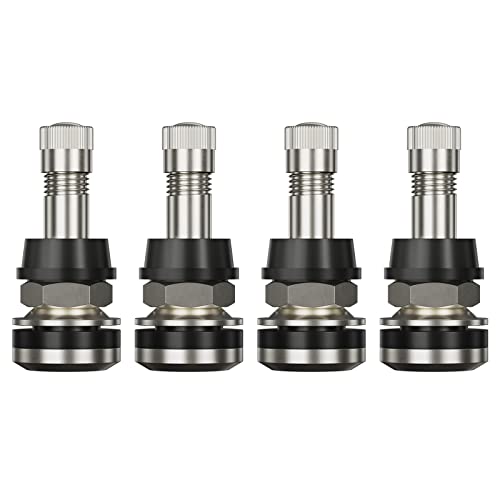
CKAuto offers brass, chrome-finished stems with EPDM rubber for extended life. The kit is designed to fit both 0.453″ and 0.625″ rim holes, delivering durable performance for long-term tire maintenance. The long 1.5″ length provides robust seating and pressure retention. Choose this if you want metal stems with a durable finish, while recognizing a slightly heavier install versus plastic counterparts. Ensure your rim hole size aligns with the product specifications.
ecocstm TPMS Valve Stems 5 Pcs

These TPMS-compatible valve stems are rubber-based with a built-in copper-nickel spool. They support tire pressure monitoring systems and help prevent air leaks while protecting internals from water and dust. Best for vehicles with TPMS sensors that require compatible valve stems. One limitation is reliance on proper TPMS integration and sensor compatibility, so verify system requirements before installation.
ZHSMS Valve Stem Removal Tool Set

ZHSMS provides a 40-piece set including multiple TR412/TR413/TR414 stems alongside valve core removers and a 4-way tool. This kit is well-suited for frequent tire maintenance or shop use, enabling rapid stem changes and core replacements. A caution: larger kits can include items you may not need for a single vehicle, so plan your purchases around typical rim sizes and core requirements.
Buying Guide
What matters most when choosing tire valve stems and tools? Material, compatibility, and installation ease top the list. Rubber stems are flexible and affordable; brass or metal stems offer durability for heavy use. Always verify rim hole diameter (commonly 0.453 inches) and match with the stem size. Consider TPMS compatibility if your vehicle uses sensor-equipped wheels. For DIYers, a complete tool kit can reduce extra purchases, while professionals may prefer metal stems for long-term service life.
What should you inspect before installation? Check for clean rim holes, proper thread engagement, and absence of corrosion. If you’re replacing stems with different hole sizes, ensure adapters or compatible stems are available. When balancing, consider that heavier stems can slightly affect wheel balance; confirm with wheel specialists if needed.
Common installation tips: depressurize tires safely, remove old stems with the appropriate core remover, insert new stems firmly, and tighten cores per manufacturer guidance. Always recheck air pressure after installation and test for leaks using soapy water or a leak detector solution.
FAQ
- What is the most common rim hole size for valve stems? The standard is 0.453 inches; verify your rim before buying stems labeled for that size.
- Can I use rubber stems with TPMS sensors? Yes, if the stems are designed for TPMS compatibility and match your sensor specifications.
- Are metal stems worth it for all vehicles? Metal stems offer durability and longer life in high-use scenarios, but rubber stems are lighter and often sufficient for everyday driving.
- Do I need a full tool kit to replace stems? A basic kit with core remover and a 4-way tool helps, but a complete kit reduces additional purchases for multiple tasks.
- How do I know if a stem is compatible with my tires? Check rim hole size, valve stem type (snap-in vs. bolt-in), and TPMS compatibility if present on the wheel.
- Is it necessary to recheck tire pressure after installation? Yes, always verify inflation to the recommended level and inspect for leaks.