Answering the top question from buyers with aging engines: these oil additives are designed to reduce wear, stabilize viscosity, and protect critical components in older, high-mileage engines. This guide highlights five options that are commonly used for older engines, each chosen for its ability to boost protection, reduce friction, and help maintain performance. This selection is best for owners seeking simple, effective maintenance with clear benefits for wear-prone engines and older flat-tappet or high-mileage setups.
Buyer note: the top picks target different needs. Some focus on zinc-based protection for flat-tappet engines, others emphasize overall wear reduction and noise control. The table below summarizes the core strengths to aid quick, side-by-side comparisons.
| Product | Best For | Key Benefit | Notes |
|---|---|---|---|
| Bar’s Leaks Rislone 4405 Engine Oil Supplement | Older engines needing zinc protection | ZDDP zinc and phosphorous blend for wear reduction | Helpful at startup; may affect base oil viscosity |
| Lucas Oil 10118 High Mileage Oil Stabilizer | High-mileage engines | Lubricates internal parts and reduces noise and oil consumption | General wear protection and sealing support |
| Lucas Oil 10001 Heavy Duty Oil Stabilizer | Heavy-duty use and older engines | High-purity petroleum-based additive; widely used | Very common, broad compatibility |
| REV-X Zinc ZDDP Oil Additive | Flat tappet engines and cam/lifter protection | Creates anti-wear layer at friction points | Strong ZDDP focus for break-in and wear |
| Prolube Oil Treatment (6oz) | Everyday driving on older engines | Reduces wear, noise, vibration; fuel economy boost | Compact bottle for easy dosing |
Bar’s Leaks Rislone 4405 Engine Oil Supplement
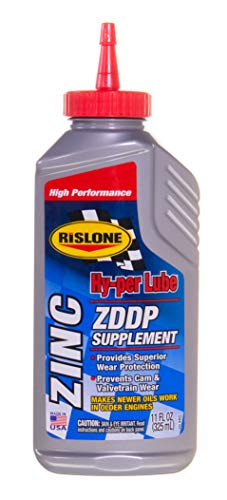
The Bar’s Leaks Rislone 4405 is an oil additive designed to boost zinc and phosphorous levels (ZDDP) and mixed esters to protect pistons, camshafts, lifters, and valve train components. It is best for older engines that rely on zinc-based protection to prevent wear on flat tappet cams. The formula aims to reduce friction at startup and stabilize oil performance during heat and load. It is particularly suitable for engines with known zinc-related wear concerns and those requiring extra protection during break-in or high-mileage use.
Who it’s best for: owners with older or high-mileage engines that benefit from ZDDP-based protection for valve trains and lifters. Why selected: recognized for its zinc/phosphorus boosting chemistry that targets wear at critical friction points. Limitation: may interact with certain modern low-zinc oils; verify compatibility with current engine oil before regular use.
Lucas Oil 10118 High Mileage Oil Stabilizer
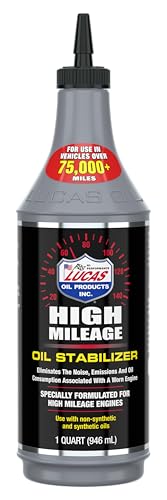
Lucas Oil 10118 High Mileage Oil Stabilizer focuses on reducing wear and quieting older engines with high-mileage histories. It lubricates internal parts to minimize wear, and is designed to reduce oil consumption and emissions-related noise. This option is well-suited for engines that show signs of aging, such as louder operation or minor oil consumption, and aims to extend the period between major rebuilds.
Who it’s best for: drivers with high-mileage engines seeking overall wear reduction and quieter operation. Why selected: widely used in the field for general high-mileage protection and smooth operation. Caution: results can vary based on engine condition; not a substitute for major mechanical repairs.
Lucas Oil 10001 Heavy Duty Oil Stabilizer

Lucas Oil 10001 Heavy Duty Oil Stabilizer is described as the world’s #1 oil additive, formulated from 100% petroleum. It is positioned for broad compatibility and is a go-to option for older engines requiring durable lubrication and reduced wear under heavy use. The product emphasizes strengthening lubrication across engine parts for long-term protection.
Who it’s best for: older engines needing robust, proven lubrication across a range of duty cycles. Why selected: high familiarity and broad use in aging engines. Limitation: broad claims may be less precise for specific high-performance setups; verify compatibility with your oil plan.
REV-X Zinc ZDDP Oil Additive

REV-X Zinc ZDDP Oil Additive delivers a zinc-dialkyldithiophosphate (ZDDP) anti-wear layer at critical friction points. This makes it particularly suitable for engine break-in periods and for engines with flat tappet cams that require extra protection. It is described as essential for certain engines where ZDDP is beneficial to prevent wear in the cam and lifter areas.
Who it’s best for: engines with flat tappet designs or during break-in phases that need extra ZDDP protection. Why selected: emphasizes a clear anti-wear barrier at wear points. Caution: excessive use without oil type consideration can affect other additive packages; follow dosing guidance.
STP Premium Small Engine Oil Formula

STP Premium Small Engine Oil Formula is designed for small engines such as lawnmowers and tractors. It is an all-weather 10W-30 oil formulation intended to promote easier starts and reduce thermal breakdown in outdoor power equipment. While not a high-mileage engine additive per se, it can help maintain engine life in small, older engines that see seasonal use.
Who it’s best for: owners of small, older outdoor engines seeking reliable protection and easier startup across seasons. Why selected: reputable brand with a product tailored to small engine lubrication. Caution: primarily for small engines; not a universal solution for large automobile engines.
Lucas Oil 10003 Fuel Treatment

Lucas Oil 10003 Fuel Treatment is widely described as the world’s #1 fuel additive for gasoline and diesel engines, with benefits including improved fuel system cleanliness and potential MPG gains. While primarily a fuel additive, it can complement oil additives by reducing internal deposit buildup that can stress older engines. Use in engines experiencing fuel-system-related performance decline.
Who it’s best for: engines with fuel-system deposits contributing to performance issues. Why selected: recognized for combining fuel system cleaning with lubrication-friendly effects. Caution: for vehicles with sensitive emission systems, confirm compatibility with the fuel program.
Prolube Oil Treatment (6oz)

Prolube Oil Treatment for engines includes a formulation that reduces wear, noise, and vibration while boosting fuel economy. Its 6-ounce bottle is designed for convenient dosing in mid-size engines and can be used in both gasoline and diesel configurations. It also claims benefits for transmissions and differentials, though typical usage remains engine-focused.
Who it’s best for: drivers seeking a compact, all-around wear and noise reduction solution with potential efficiency benefits. Why selected: clear claims of wear reduction and smoother operation. Caution: results may vary with engine type and oil formulation; ensure compatibility with your current oil plan.
Buying Guide: Key Considerations For Older-Engine Buyers
- Engine type and design: Flat tappet vs. modern cam designs may benefit differently from ZDDP-based additives. Check your engine’s requirements and current oil spec.
- Oil chemistry compatibility: Some additives interact with particular oil formulations (synthetic, conventional, high-mileage blends). Verify compatibility with your oil plan.
- Usage scenario: Break-in protection, daily-driver longevity, or seasonal use all influence which additive is best. Consider your driving pattern and oil-change intervals.
- Wear targets: If camshaft wear or piston-ring deposits are concerns, prioritize zinc/ZDDP or anti-wear layer additives; for general high-mileage wear, stabilizers may suffice.
- Oil viscosity and vehicle guidelines: Do not exceed manufacturer recommendations. Some additives can affect viscosity or seals over time.
- Application frequency and dosage: Follow dosing instructions to avoid over-saturation or potential oil dilution. Consider bottle size and maintenance schedule.
- Limitations and caveats: Additives are supplementary; they do not replace repairs or major engine servicing. Use as part of a broader maintenance plan.
FAQ
- Q: Are zinc-based additives safe for all older engines? A: They are beneficial for engines with zinc-sensitive camshafts and lifters, especially flat tappet designs. Always check compatibility with your current oil and engine.
- Q: Can these additives restore worn parts? A: They can reduce wear and noise and protect against further wear, but they cannot repair existing severe damage.
- Q: When should I use a high-mileage stabilizer? A: Use it when you notice oil consumption, louder operation, or signs of wear in a high-mileage engine.
- Q: Do additives affect fuel economy? A: Some formulations claim improved efficiency by reducing friction, but results vary by engine and usage.
- Q: Is it safe to mix multiple additives? A: Mixing additives can lead to incompatibilities. Use one primary additive and follow its instructions, or consult a professional.
- Q: How often should I change oil after adding an additive? A: Follow your engine’s standard oil-change schedule; additives supplement but do not replace routine maintenance.