For lawnmower owners, selecting the right oil is essential for engine life and performance. This guide highlights five top small-engine oils well-suited for push mowers, riders, and other outdoor power equipment. Each product is described with who it’s best for, potential limitations, and why it stands out. Use this to match your mower’s needs with the right viscosity, protection, and year-round performance.
| Product | Brand | Size | Best For |
|---|---|---|---|
| STP Premium Small Engine 4 Cycle Oil Formula SAE10W-30 | STP | 32 oz | All-season use; small engines in lawnmowers and generators |
| Pennzoil 10W-30 Motor Oil | Pennzoil | 1 Quart | Engines needing proven wear protection |
| STP Premium Small Engine 4 Cycle Oil Formula (Pack of 2) SAE 10W-30 | STP | 2 × 32 oz | Two-oil setup for seasonal changes or backups |
| TRIAX Power 4-Stroke SAE 30W Small Engine Oil | Triax | 1 Gallon | High-load, long-run operation and all-season use |
| Lucas Oil 11314 SAE 10W-40 Lawn Mower Oil | Lucas Oil | 1 Quart | Wear reduction and overheating protection |
STP Premium Small Engine 4 Cycle Oil SAE 10W-30

Best for all-season starts, this is a synthetic blend formulated for small engines found in lawnmowers, generators, tractors, and snow blowers. It resists thermal break down with antioxidants to preserve oil integrity under high temperatures. Use this if you want dependable starts and robust wear protection across seasons. Caution: Not all engines require 10W-30; verify your manual before use.
Pennzoil 10W-30 Motor Oil

Designed to keep engines clean and responsive, this oil offers proven wear protection in small engines typical of lawn equipment. It helps prevent dirt and contaminants from forming deposits that can rob performance. Choose this if you want a widely compatible option with strong wear resistance and deposit control. Limitation: It’s a single quart; plan for refills if you have multiple machines or frequent use.
STP Premium Small Engine 4 Cycle Oil Formula (Pack of 2) SAE 10W-30

This per-pack option mirrors the single-STP formula but provides two 32 oz bottles, making it convenient for seasonal changes or backups. Best for owners who want steady supply without frequent reorders. Caution: Confirm storage conditions to maintain viscosity and quality over time.
TRIAX Power 4-Stroke SAE 30W Full Synthetic
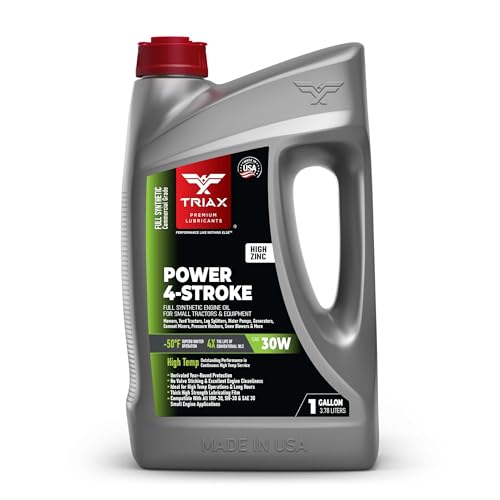
Equipped with a high-zinc formula and commercial-grade durability, this oil aims to provide extended life for small engines under heavy use. It performs well across a broad temperature range and offers superior wear protection for long operation hours. Choose this if you run high-load equipment or want maximum lifespan. Limitation: 30W viscosity may not be ideal for extremely cold starts in very cold climates.
Lucas Oil 11314 SAE 10W-40 Lawn Mower Oil
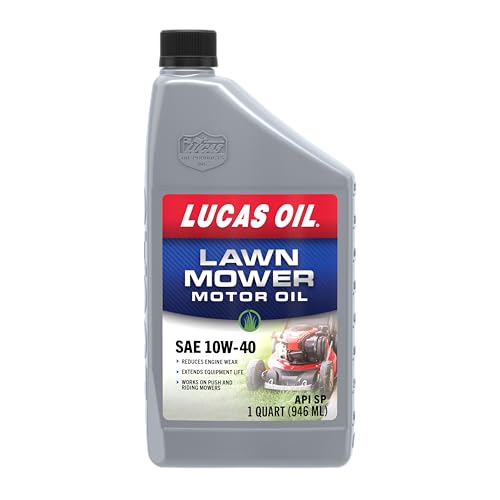
Lucas Oil 10W-40 is designed to reduce engine wear and extend equipment life, making it a strong choice for push and riding mowers. It helps protect against overheating during extended operation. Best for engines that benefit from a slightly thicker viscosity at operating temperature. Limitation: 10W-40 is not ideal for extremely hot climates if used in engines designed for lighter grades.
Lucas Oil 11315 SAE 30 Lawn Mower Oil

This SAE 30 formulation delivers dependable protection for lawn equipment, especially in warm weather. It is suitable for engines that require a single-viscosity summer oil. Best for seasonal kits or when your mower’s manual specifies SAE 30. Caution: Not ideal for colder months where a multi-viscosity oil would improve starts.
Buying Guide: Key Considerations For Choosing Oil For A Lawnmower
- Viscosity matters: Check your mower’s manual for recommended viscosity (SAE 10W-30, 30W, etc.). Multi-viscosity oils adapt to temperature changes, aiding starts in cold weather and protection in heat.
- Engine type and climate: Small 4-stroke engines in lawn equipment benefit from oils formulated for small engines. Consider climate: all-season formulas help with temperature swings; 30W or 10W-40 may suit hotter conditions.
- Wear protection: Look for additives like zinc and antioxidants that reduce wear and thermal breakdown, especially under extended operation or heavy loads.
- Oil change intervals: Follow manufacturer recommendations. Some oils are synthetic blends that may extend changes; others require more frequent changes based on usage.
- Availability and backups: If you own multiple machines, a pack (like a 2-pack) can simplify stocking and replacements over a season.
FAQs
- Q: Can I mix different brands of lawnmower oil? A: Mixing is generally not recommended because it can alter protective properties and viscosity.
- Q: Is 10W-30 suitable for winter starting in all regions? A: It depends on climate and mower requirements. Some engines prefer lighter or multi-grade oils for very cold starts.
- Q: How often should I change lawnmower oil? A: Refer to your mower’s manual. Common intervals range from every season to every 25-50 hours of operation, depending on usage and oil type.
- Q: What happens if I use a higher viscosity oil in a low-load mower? A: It can cause harder starts and reduced lubrication at startup, potentially increasing wear.
- Q: Are synthetic blends better for small engines? A: Synthetic blends typically offer better oxidation resistance and temperature stability, which can improve durability in variable conditions.
- Q: Should I use a dedicated small-engine oil or automotive-grade oil? A: Small-engine oils are formulated for the shear and heat profile of small engines; automotive oils may not provide the same wear protection for these engines.