Answer: When changing oil, choose a drain pan that minimizes spills, handles common automotive fluids, and is easy to move. This guide features five reliable options suited for different garage setups and vehicle types, from compact spaces to DIY enthusiasts who handle frequent changes. Best for a home mechanic with a mix of engines and fluids, and for those who value a secure lid, quick draining, and easy disposal. Below is a quick comparison table to help you pick the right pan at a glance.
| Product | Best For | |
|---|---|---|
| Scepter AM07029 7.3 Quart Oil Drain Pan | Effortless spills prevention, wider opening for engine oil | 7.3 Quarts |
| NEIKO 20762A Oil Drain Pan | Budget-friendly, anti-splash design | 2 Gallons (8 L) |
| Performance Tool W4077 16-Quart Container | High-volume draining and secure transport | 16 Quarts |
| Chapin Oil Drain Pan, 12Qt | Low-profile access under tight spaces | 12 Quarts |
| Performance Tool W4070 Drain Pan | Mess-free oil changes with built-in pour spout | 7 Quarts |
Scepter AM07029 7.3 Quart Oil Drain Pan

The Scepter AM07029 is a 7.3-quart drain pan designed to minimize spills with a large lidded opening. It includes a drain screen and a secure lid for transport, making it a strong choice for home garages that prioritize cleanups and easy disposal of used fluids. Best for DIYers who want an organized, mess-free change and value a dedicated closure for transport.
Best for: Home hobbyists who perform oil changes on multiple vehicles and want a container that reduces cleanup. Why selected: The lid, large opening, and removable drain filter help contain spills and simplify filtering before disposal. Caution: The 7.3-quart capacity may fill quickly on high-volume changes, so monitor fluid levels during draining.
NEIKO 20762A Oil Drain Pan
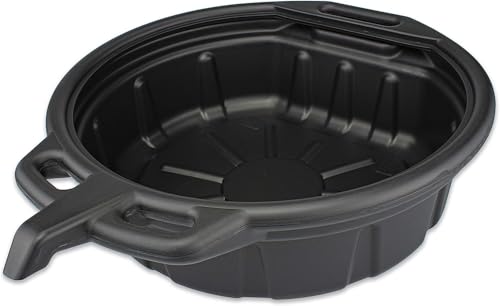
The NEIKO 20762A offers a durable, recyclable polythene plastic design with an anti-splash curled lip. Its 2-gallon capacity (8 liters) makes it a versatile option for smaller engines, lawn equipment, and light-duty changes. Best for: Budget-conscious shoppers who still want a sturdy, spill-resistant pan. Why selected: Anti-splash edge reduces mess when moving the pan, and the size fits compact setups. Caution: Higher-capacity oil changes may require a larger vessel later on.
Performance Tool W4077 16-Quart Oil Drain Container

The W4077 is a large 16-quart drain container with a deep drain well and an integrated handle. It combines draining and transport in one unit, reducing spills during the move to disposal. Best for: Owners performing frequent oil changes on multiple vehicles or high-volume draining. Why selected: Deep well design minimizes splash, while the built-in handle aids portability. Caution: For very compact workspaces, the larger footprint may be less convenient.
Chapin Oil Drain Pan, 12Qt
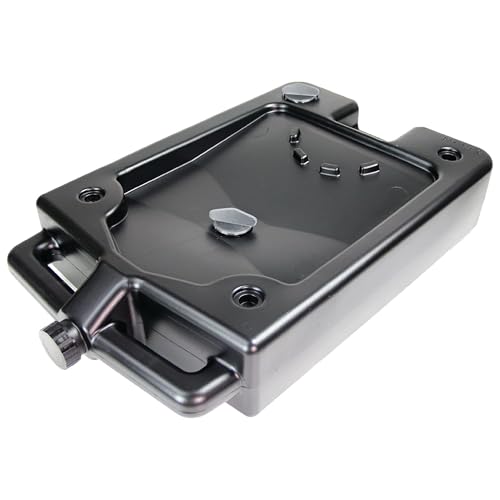
The Chapin 12-quart oil drain pan offers low-profile access under ATVs, tractors, lawnmowers, and motorcycles. It features a large splash-free target area for capturing draining oil, coolant, and additives. Best for: Shallow engine bays and tight spots where clearance is limited. Why selected: Its low-profile design makes under-vehicle access easier. Caution: May be less suitable for very large volume drains in one session.
Performance Tool W4070 Drain Pan

The W4070 is a 7-quart drain pan designed for mess-free oil changes, coolant flushes, and other fluids. It includes molded handles and a pour spout for easy transfers. Best for: Quick changes that require a sturdy, easy-to-handle pan. Why selected: Chemical- and solvent-resistant plastic ensures longevity. Caution: Smaller capacity may require frequent emptying on heavy-use days.
Buying Guide
What capacity do you need? Choose based on typical oil change volume. 7–8 quarts suits most passenger cars; larger engines or frequent fluid changes may justify 12–16 quarts. Consider a pan with an integrated lid or secure drain screen to minimize spills and support proper disposal.
Is splash control important? Anti-splash edges and deep drain wells reduce drips during removal and movement. A low-profile design helps in tight spaces, especially for ATVs and compact SUVs.
Do you need transport features? Pans with integrated handles and secure lids simplify moving used oil to a disposal point. Some containers also store drained oil before pouring into a larger container.
Materials and durability matter. Look for chemical- and solvent-resistant plastics for longevity and to resist corrosion from different automotive fluids. Recyclable materials may align with sustainable practices in your shop.
Safety and cleanup. A secure lid helps prevent spills during transport. A drain filter or screen can capture debris, and a dump-proof pour spout reduces drips after draining.
FAQ
- What capacity should I choose for a typical car oil change?
- Are lids necessary for oil drain pans?
- Can I use any plastic container for oil changes?
- Which design helps with tight spaces?
- Is a larger pan better for frequent changes?
- What fluid types should a drain pan support?
Most cars drain around 4–6 quarts. A 7–12 quart pan accommodates oil plus some extra capacity for catching other fluids without overflow.
Lids help prevent spills during transport and can keep the work area cleaner, especially in garages with nearby pets or kids.
While many plastics work, choosing a purpose-built drain pan with a drain screen and pour spout reduces spills and simplifies disposal.
Low-profile pans and those with integrated handles are best for tight garages, underbody work, and small vehicles.
Yes, a larger pan reduces the need to switch containers mid-drain, but ensure you have space to move and store it.
Standard engine oil, transmission fluid, coolant, antifreeze, and hydraulic fluids are commonly supported; check each product’s stated compatibility for specifics.