Answering the need for dependable fuel-line control, these one-way check valves prevent backflow and help maintain steady pressure. The best choices suit automotive enthusiasts, DIY mechanics, and small-engine users who want simple, effective fuel-line protection. This guide focuses on aluminum-bodied valves that resist corrosion and handle common fuel blends. A quick buyer table below compares core specs to help you decide at a glance.
| Product | Size (OD) | Material | Opening Pressure | Best For |
|---|---|---|---|---|
| EVIL ENERGY 3/8″ Valve | 10 mm | 6061-T6 Aluminum | 0.2 bar | High-flow, moderate pressure systems |
| EVIL ENERGY 5/16″ Valve | 8 mm | 6061-T6 Aluminum | 0.2 bar | Compact setups, gasoline and diesel |
| Tandefio 4 Pcs | 1/4″–1/2″ | Aluminum Alloy | 0.2 bar | Versatile sizes for multiple machines |
| KPFILEH 2Pcs | 6 mm | Aluminum | 0.2 bar | Auto and small engines |
| mxuteuk 2Pcs 3/8″ | 10 mm | Aluminum | Unknown | All-purpose fuel lines |
EVIL ENERGY 3/8″ Fuel Check Valve One Way Inline
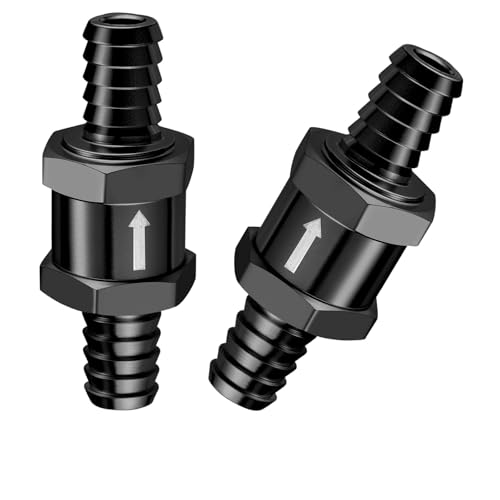
Best for: High-flow fuel lines in automotive or diesel systems requiring robust one-way flow. This valve uses a stainless steel spring to prevent backflow and stabilize system pressure, with a 3/8″ OD fitment.
Why selected: The aluminum body with black anodizing offers corrosion resistance, while the 0.2 bar opening pressure supports rapid response to pressure changes. Suitable for diesel and gasoline in moderate climates. Caution: Not all extremely high-output systems may benefit from this valve if flow demands exceed its rated pressure range.
EVIL ENERGY 5/16″ Fuel Check Valve One Way Inline

Best for: Compact fuel lines where 5/16″ (8 mm) is the fit, especially in small engines or scooters. The valve maintains one-way flow with a stainless steel spring for backflow prevention.
Why selected: Similar specs to the 3/8″ variant with durable aluminum construction. Caution: The smaller size may restrict flow in high-demand applications; verify your system’s maximum PSI.
Tandefio 4 Pcs Fuel Non Return Inline One Way Valve

Best for: Versatile pack for multiple machines needing different inlet/outlet fits. Includes 1/4″, 5/16″, 3/8″, and 1/2″ sizes with aluminum bodies.
Why selected: The variety reduces the need for separate purchases. Caution: Assembly requires compatible clamps and hoses; ensure correct sizing to prevent leaks.
EVIL ENERGY 5/16″ Fuel Check Valve Inline

Best for: Similar to the 3/8″ variant, this 5/16″ option is ideal for systems that require a compact inline check valve with reliable one-way flow.
Why selected: The solid aluminum construction and stainless steel spring offer dependable performance. Caution: Check the environment; ensure the valve’s pressure range aligns with your system’s requirements.
KPFILEH 2Pcs 1/4″ 6mm Car Non-Return Valves

Best for: Automotive fuel lines and small engines where a compact 6 mm valve fits snugly. Includes four adjustable hose clamps for immediate installation.
Why selected: Aluminum alloy body provides corrosion resistance and good sealing. Caution: Check the opening pressure and ensure it matches your system’s needs (0.2 bar standard).
mxuteuk 2Pcs 3/8″ Aluminum Valve Set

Best for: General-purpose fuel lines where 3/8″ is needed and a compact, integrated design helps with easier routing.
Why selected: Aluminum alloy with anodized finish for durability. Caution: The listing provides no explicit opening pressure; confirm compatibility with your system’s pressure range.
Buying Guide
Key considerations for choosing a fuel line check valve include size compatibility, material, pressure ratings, and climate tolerance. Valve size must match your fuel hose outer diameter for a proper seal. Aluminum bodies resist corrosion and are common for automotive use, but verify the rated working pressure to match your system’s demands. Consider whether your setup requires a specific opening pressure to respond quickly to pressure surges or to avoid backflow at engine shutdown. Stainless steel springs provide durability, yet the overall reliability also depends on hose clamps and correct installation.
When selecting between multiple options, prefer models with documented operating temperature ranges and clear compatibility notes for gasoline or diesel. If you operate in extreme temperatures, choose valves rated for those conditions. For tighter space configurations, the smaller 6 mm or 8 mm options may be preferable, while larger 10 mm valves support higher-flow lines. A multi-pack like Tandefio’s adds value when multiple machines are serviced.
FAQ
- What is a fuel line check valve and why do I need one? It prevents backward flow in the fuel line, maintaining pressure and protecting the pump and engine from reverse flow or siphoning risks.
- What does opening pressure mean? It’s the minimum pressure at which the valve starts to allow flow in the intended direction. Lower values respond quickly to pressure changes; higher values suit high-demand systems.
- Are aluminum valves suitable for all fuels? Aluminum valves are common and compatible with gasoline, diesel, and many blends, but always verify compatibility with your specific fuel and environment.
- Can I install these valves myself? Yes, with basic hose clamps and proper sizing. Ensure clean connections and avoid overtightening that could damage fittings.
- Should I choose multiple sizes? If you service different machines, a multi-size pack simplifies stocking and reduces future purchases.
- What maintenance is required? Periodic inspection for leaks and corrosion is recommended. Replace valves showing wear or compromised seals.